
Environment
Conserving Biodiversity In Niger Delta

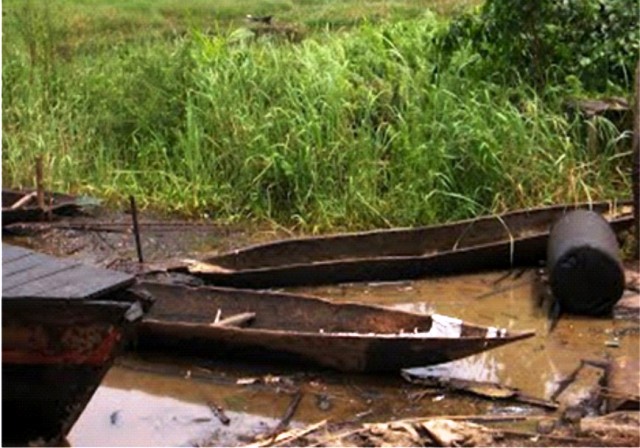
Akwa Ibom, Bayelsa, Delta and Rivers States are the four states in the Niger Delta region of Nigeria that are currently benefiting from the Niger Delta Biodiversity Conservation programme of the United Nations Development Programme (UNDP).
The Niger Delta Biodiversity Conservation programme was launched by the UNDP in 2014 to protect the region’s flora and fauna from extinction.
The first phase of the programme, according to the organization will end in 2019. Information made available by the organisation listed key aspects of the programme as the protection of some sacred forests in the region, through a reforestation programme, protection of some wildlife in the region and protection of sacred grooves in the region, among others.
It would be noted that the UNDP is seriously concerned about the continuous destruction of the mangroves at Mogho in Gokana Local Government Area of Rivers State. The sacred Onura forest in Alesa-Eleme is being reafforested with the planting of trees and the Oko-ohia Afara forest in Afara community in Etche, all in Rivers State.
In Akwa-Ibom State, the organization is working hard to protect the Etem Okuku forest and its sacred monkeys in Eket, Akai Ikwolt forest and its sacred monkeys and grasscutters in Ikot Uso Akpan in Itu local government, and the Odoro Enan Eket forest which is alleged to be rich in biodiversity.
In Delta State, the UNDP is in the process of declaring the West African Dwarf crocodiles in Emu community, Ndokwa West Local Government Area as an endangered specie.
The crocodile which is known in the native language of the people as “Onye Emu” or “Nne Emu” is sacred to the Emu ethnic nationality. Moreover, the Onuku Shrine located at the source of the River Ethiope in Umuaja Akoku Kingdom in Ukwuani, Local Government Area, all in Delta, is being revered by the organization.
Conducting newsmen round the sites, the National Coordinator of the Niger Delta Biodiversity Conservation programme, Dr Mathew Dore, said that the UNDP is deeply concerned about the continuous destruction of the Niger Delta biodiversity resources by oil pollution.
Dr Dore said that the focus of the UNDP is for the preservation of these resources for future conerations of the respective communities, adding that the organization was taking journalists round the various states to showcase to the world, the rich biodiversity resources of the Niger Delta.
According to him, the effort was also meant to compel both national and state governments to invest in these areas with the view to turning them into world tourism sites.
The National Coordinator also said that the organization had already sensitized local communities on both the cultural and economic importance of these resources.
At the Etcem Okuku forest in Eket, Akwa-Ibom State, the people told journalists that they regard the sacred monkeys in the forest as their mothers and therefore are not hunted for either food or commercial purposes.
They, however, complained that the activities of multinational oil companies are now driving the monkeys to extinction and called for government intervention to save the animals.
Similarly, at Alesa community in the Eleme Local Government Area of Rivers State, the Paramour Ruler, HRH Emperor J.D. Nkpe told newsmen that despite the on-going reafforestation programme, the activities of property developers are affecting the forest.
Emperor Nkpe who told newsmen that the forest which is over 50 hectares is already being encroached upon by the people said that his palace is already lobbying some members of the state legislature to enact relevant laws to preserve the forest.
At the Oko-ohia Afara in Etche Local government Area, the community said that the forest is sacred as it is the abode of a goddess which protects it.
According to the Eze Ala Afara, Cyril Nwankwo, Oko-ohia-Afara is a deity that protects the community from time immemorial from evil attacks.
At Emu community in Ndokwa West Local Government Area, the people said that “Nne Emu” which is a specie of the West African dwarf crocodile is sacred to the community.
Chief Anthony Enyabego, a member of the Emu Kingdom Council of Chiefs, Ndokwa West Local Government Area, the crocodile has a historical linkage with the foundation of the kingdom.
He said that because of the crucial role played by the animal in ancient inter-tribal wars, no Emu man dares the animal either at home or abroad.
At the Onuku groove in Muaja Ukwuani Local Government Area, Delta State, Chief Odise Menogor, the Onochieze of Akoku Kingdom urged for the declaration of the shrine as a world heritage site.
The significance of the programme is that apart from its crude oil resources which is the mainstay of the Nigerian economy, the Niger Delta region can also boast of other natural resources that can surpass oil in revenue generation.
It is against this background that stakeholders across the region are urging the government to key into the UNDP conservation programme through funding and legislations.

Environment
WDC: Rivers State Deputy Governor, Prof. Odu Call Inclusion Of Woman And Girls Decision Making


-
News4 days ago
Decentralizing Pipeline Surveillance Poses Greater Dangers To Niger Delta …. Group Warns
-

 Politics4 days ago
APC Resumes Electronic Membership Registration Nationwide
-

 Rivers4 days ago
Court Rules Out Interim Administration In Jumbo House, Bonny
-
 Business4 days ago
33 Banks Raise N4.65tn As Recapitalisation Ends
-

 Politics4 days ago
Alleged Coup: Protests Rock N’Assembly As Detained Officers’ Children, Wives Demand Justice
-

 Nation4 days ago
Nile University Hosts ICA Nigeria First National Confab On Global Communication
-
Sports4 days ago
Lewandowski Leads Top Stars Missing From W/Cup Roll Call
-

 Sports4 days ago
Para Games: Team Rivers Wins 53 Medals On Day 5 … Director Praise Athletes