
Business
‘Agriculture, Vital Part Of Rivers Economy’

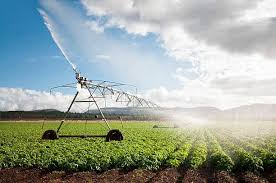
The Eze Oha Evo III of Evo Kingdom, King Leslie Eke, has said agriculture is a vital part of Rivers State’s economy that provides employment opportunities, generates income, and contributes to food security.
Eke, who is the Eze Gbakagbaka of Evo Kingdom, said this recently when he spoke with newsmen at his palace in Woji Community, Obio Akpor Local Government Area.
He noted that the State is known for producing crops such as yam, cassava, cocoyam, maize, rice, and beans, with approximately 39 percent of its land area suitable for cultivation.
He listed some of the challenges in the system to include, high cost of farm implements such as fertilizers, seeds and other agricultural equipment which, according to him, has made things difficult for farmers.
Other challenges, he noted, are high cost of production and access to long term loans/grants that have so far hindered farmers’ ability to expand their farms.
Eke, who also is the Chairman of the Supreme Forum of Ikwerre Government Recognised Traditional Rulers, urged the government to take steps and remove some of its regulatory policies, if they want the farmers to do well.
“These challenges have significant implications on food security, poverty reduction, and economic growth in Rivers State. The state’s agricultural sector is not operating at its full potential, resulting in reduced food production, increased poverty, and limited economic opportunities”, he said.
He reiterated the need for government and private sector to invest more in agriculture to improve infrastructure, access to inputs and credit facilities.
According to him, such moves must be intentional while the government should also consider improved policy implementation.
“Policies must be implemented effectively, with minimal political interference. Farmers should have access to training and education to adopt modern farming practices. The Federal Government’s agriculture subsidy programmes should be inclusive, covering all regions and farmers.
“To revitalise the agricultural sector in Rivers State, a comprehensive approach is needed. This includes addressing the challenges mentioned above, investing in infrastructure, and promoting modern farming practices.
“By working together, stakeholders can improve food security, reduce poverty, and promote economic growth in the state”, he said.
He, however, noted that agricultural challenges in Rivers State are significant, but not insurmountable, adding, “if effective policies, increased investment, and stakeholder engagement can be considered by all relevant authorities in the field, the problems would be solved.”
The Tide learnt that the Rivers State Government recently received about 21,650 bags of grains from the Federal Government to tackle economic hardship.
By: King Onunwor


-

 Editorial1 day ago
Domesticate FG’s Exit Benefit Scheme
-

 News1 day ago
DHQ Confirms Deaths Of Terrorists, Soldiers In Borno Attack
-

 News1 day ago
RSU Unveils Five-Year Strategic Dev Plan …Calls For Collective Commitment To Institutional Excellence
-

 News1 day ago
Tinubu Commissions Bayelsa Gas Turbine, Other Projects Today
-
Rivers1 day ago
Dep Gov Seeks Collaboration, Transparency Between RIVCHPP, PHCMB
-
Nation1 day ago
Rumuji Youth Leader Condemns Protest, Disowns Alleged Government Empowerment Claim
-
Business1 day ago
Niger Delta Investment Summit Targets $5bn Inflows, 500,000 Jobs
-

 Featured1 day ago
FG Reaffirms Nigeria’s Stability As US Embassy Suspends Visa Appointments In Abuja Office