
Nation
‘Nigeria’s External Debt-To-Revenue Up 400% In 10 Years’

Nigeria’s external debt to total revenue increased from 8 per cent in 2011 to 400 per cent in 2020, a former governor of the Central Bank of Nigeria (CBN), Sanusi Lamido Sanusi, has said.
Sanusi lamented the situation while participating in an online roundtable discussion tagged, “Debt Relief for a Green and Inclusive Recovery in Nigeria”, organised by Heinrich Böll Foundation.
The former CBN governor said Nigeria has a debt services ratio of up to 90-96 per cent but there are certain other elements of debts that analysts have not paid attention to.
He said, “If you go through the CBN statistical bulletin, in 2011, the total federally collected revenue from all sectors was N18.9trillion at N165 to the dollar. This will have placed federally collected revenue in 2011 at $55.5billion.
“Meanwhile, debt at that time was $5billion, so, we had an external debt to external revenue of about 8 per cent in 2011. By 2020, we have an external debt of about $33.4billion but all revenues in 2020 were about $8.3billion. So, it has moved from 8 per cent to 400 per cent between 2011 and 2020.
“And this is a serious red flag that I’ve not seen being pointed out in the conversation around debt sustainability especially given the facts that exports are yet to be diversified at the book of our revenues from oil sectors given what we’ve seen and what have been discussed today about the prospect of hydrocarbons as we move into a greener world.”
Nigeria’s debt position has been a source of concern for development experts in recent years, especially in the midst of dwindling oil revenue.
Sanusi, who was recently deposed as Emir of Kano, noted that in measuring debt sustainability, the debt to Gross Domestic Product (GDP) ratio is a useless metric.
“You do not service debt out of GDP, you service debt out of revenues,” he said.
“If only 20 per cent of your GDP is paying taxes, if you have a debt GDP ratio of 20 per cent, you are likely to have a debt service to revenue ratio of 100 per cent.
“So, for a long time, I have been concerned about this idea that if (having) 25, 30 or 35 per cent debt to GDP ratio is fine, because you’ve got countries that are activating 90 per cent.”
He added that in the countries where debts to GDP numbers are high, tax is a major component of government revenues.
Sanusi also explained that high interest rates with high debts could lead to difficult financial situations.
He also explained further that another key part of the nation’s debt profile is the components of bilateral loans, of which China is a major player, with $3.2billion of Nigeria’s $4.1 bilateral debt, that’s about 78 per cent.
He explained that any talk about debt sustainability has to involve China as a very dominant player.
The former CBN governor agreed that the call for debt relief is in the right direction, but the nation needs to show serious commitment and review the structure of its government and economy.
He noted that as countries begin to lift Covid-19 restrictions on travels, there will be increased demand for forex on travel, further putting pressure on the country’s exchange rate.
“When the world reopens and people start travelling, that is going to lead to an increase in demand on forex for travel and that is going to exert further pressure on the balance of payments.
“Now, these are the kinds of considerations I think we need to bear in mind when we talk about the sustainability of a debt situation.
“Honestly, I think debt relief is very necessary if this country is going to have the fiscal space to pursue any kind of developmental objectives. We can’t be spending 90 or 100 per cent of our revenue on debt service and don’t have anything to invest in development.”
According to Sanusi, the country needs to invest in education and agriculture, stressing that these two sectors will help play a key role in lifting Nigerians out of poverty.
Part of the problem Nigeria faces, he said, is that there has been significant under-investment in education and health care, and the productivity of agriculture.
“And these are the kinds of things that we need to lift people out of poverty and bring sustainable growth,” he argued.
The former chief executive of First Bank also explained that the rapid rate of growth in population is a source of concern, adding that the country needs to have social policies around demographic growth.
“There are parts of this country where the fertility rate is more than eight (8) live births per woman, and again some societies are also polygamous,” he said.
“Now there’s no way that you are going to continue growing at 3.4 or 4 per cent when your economy is growing at a slower rate and expect to deal with poverty. And that is an unsustainable model.”
He also noted that setting up factories could help lead to economic growth.
He said, “One of the issues I have with people when they talk about removing the subsidy on electricity tariffs and how the tariffs are going to go on to avert some problems is that we worry so much about tariffs because we use electricity for consumption and the buck of the population is yet to understand that electricity is an import into production. You can’t burn it.
“So, if you take away the subsidy by having a cost recovery tariff, you could put that money into small and medium enterprises that will turn that electricity into real production of goods and services and lift people out of poverty.
“Now, it doesn’t have to be fossil fuels electricity, you can in the same way, for example, use these bonds to encourage setting up factories to produce solar panels. People talk about renewable energy but if you are going to be importing solar panels from China or the UK, it is not as effective as if you set up factories to produce these panels in Nigeria. You’ve got all the raw materials you need to produce solar panels.
“So, set up factories, produce these panels and then the subsidy come in, in form of making these panels affordable and the kind of financing you give to the micro-enterprises to turn this renewable energy into goods and services.
“Not just about producing renewable energy that will continue to be fuelling television sets, water kettles, video games, no; we want electricity so that micro, small and medium enterprises can begin to generate.”
Sanusi argued further that a very smart way of dealing with debt relief is to effectively ensure that government puts in the right policies and that money goes into the right areas that will lead to sustainable development.
He noted that what happened when debt relief was granted to Nigeria in the past was that Nigeria went back on spending on overheads, unnecessary petroleum subsidies, and subsidies on fertilisers, which has not helped the country.
“What happened in the past was that we had this debt relief and then we went back to borrowing money, spending on salaries, overheads, and unnecessarily petroleum subsidies all sorts of fertilisers sub discount and those are the kind things that need to end,” he lamented.
“But we also need to bear in mind that as we take them out, the way to minimise impact is to address the real SDGs considerations, education, healthcare, renewable energy accompanied by training, the productivity of agriculture and this is really about the policy deficit that we’ve had in the last few decades,” he said.


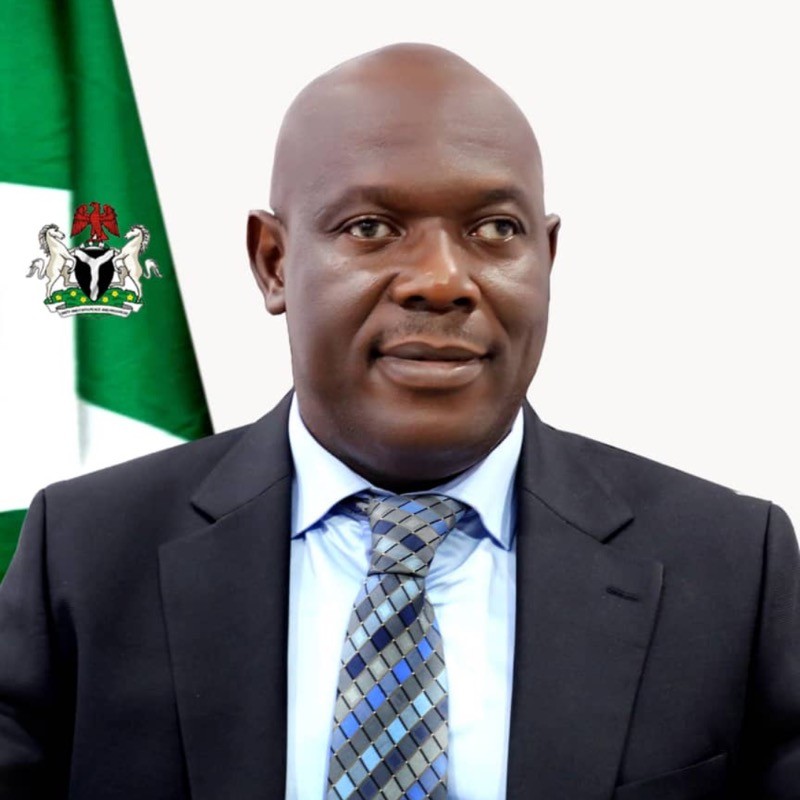
The Hydrocarbon Pollution Remediation Project (HYPREP) has announced that the mangrove wetlands in Ogoniland have been officially designated a Ramsar Site of International Importance by the Secretariat of the Ramsar Convention on Wetlands.
The designation, according to HYPREP, underscores the global ecological significance of Ogoniland’s mangrove wetlands and highlights ongoing restoration efforts aimed at addressing environmental degradation in the area.
In a press statement issued by the Project Coordinator of HYPREP, Prof Nenibarini Zabbey, the recognition was described as a major milestone for the agency, the people of Ogoni and other stakeholders working towards environmental restoration in the region.
Zabbey explained that the mangrove wetlands, which cover more than 31,700 hectares, consist of islands, tidal creeks, mudflats and mangrove forests that support a wide range of biodiversity. The ecosystem provides habitat for several species including fin fish, shellfish, crustaceans, crocodiles, turtles and the endangered grey parrot.
He noted that beyond biodiversity conservation, the wetland also provides essential ecosystem services such as fisheries production, flood control, water purification and carbon storage. According to him, the international recognition will further support local livelihoods, promote ecotourism and bring global attention to the region.
The HYPREP coordinator disclosed that the designation followed a meticulous process that began in 2024 when the project submitted a memorandum to the National Council on Environment seeking support for the recognition of the Ogoni wetlands as a Ramsar site.
Following the council’s review and approval, the Honourable Minister of Environment and Chairman of HYPREP’s Governing Council, Balarabe Abbas Lawal, formally wrote to the Ramsar Convention Secretariat requesting international recognition of the wetlands.
After a comprehensive ecological assessment, the Ramsar Secretariat granted the designation, officially recognising the Ogoniland wetlands as one of the world’s sites of international importance.
Zabbey said the recognition would strengthen ongoing environmental restoration efforts in the area and encourage stronger conservation measures and sustainable management of the wetlands for the benefit of present and future generations.
He added that the designation also fulfils a key recommendation of the United Nations Environment Programme (UNEP) Environmental Assessment Report on Ogoniland, marking another significant step in the implementation of the report’s recommendations.
The HYPREP project coordinator reaffirmed the agency’s commitment to restoring the Ogoni environment through the remediation of oil-polluted land, shorelines and mangrove ecosystems.
He also called for collective responsibility and stakeholder support to sustain the progress of the Ogoni cleanup programme and facilitate the development of a comprehensive and sustainable management plan for the Ogoni mangrove wetlands.

The Permanent Secretary, Rivers State Ministry of Social Welfare and Rehabilitation, Mrs Lauretta Davies-Dimkpa, has attributed the successes of the 12-day programme organised for adolescent girls aimed at eliminating Female Genital Mutilation(FGM) in some parts of the State to the ability of the respective stakeholders to take ownership of the programme.
Mrs Davies-Dimkpa, who dropped the hint in an interview at the end of the programme in Elele-Alimini Community in Emohua Local Government Area on Saturday, said the event had a buy-in component, an ownership mentality, whereby facilitators, staff, and everyone involved took ownership of the project.
She explained that the Rivers State Ministry of Social Welfare and Rehabilitation, in collaboration with the United Nations Children’s Fund (UNICEF) and the United Nations Population Fund (UNFPA) had packaged a series of training sessions for adolescent girls aimed at ending the practice of Female Genital Mutilation (FGM) in some communities across the State.
According to her, the initiative was designed to educate young girls on the harmful effects of the practice and empower them to become advocates against it within their communities.
She noted that the programme, which lasted for several weeks, targeted adolescent girls from different local government areas where the practice is still prevalent, stressing that
data collected by UNICEF and the Ministry revealed that Female Genital Mutilation is still practised in some parts of the State, prompting the need for intensified sensitisation and community engagement.
Mrs Davies-Dimkpa explained that the programme adopted a “train-the-trainer” approach where adolescent girls were educated on the dangers of the practice and encouraged to share the knowledge with their peers, families and communities.
“This is a programme by the Rivers State Ministry of Social Welfare and Rehabilitation with support from UNICEF and UNFPA to train adolescent girls towards ending Female Genital Mutilation, which is still practised in some local government areas,” she said.
She further explained that each participating local government area had a three-day training session, with the exercise running for a total of 12 days.
The local government areas, where the programme took place, she noted, included Ahoada West, Abua-Odual, and Emohua, adding that the initiative is part of broader efforts by the state government and development partners to eliminate harmful traditional practices and protect the rights and wellbeing of girls.
She revealed that prior to the training of the adolescent girls, the Ministry and its partners had also engaged community facilitators, including older women and men, to sensitise them on the dangers associated with Female Genital Mutilation.
According to her, the involvement of community leaders and adults is essential in addressing the cultural and social factors that sustain the practice.
Speaking on the response of the participants, the permanent secretary expressed satisfaction with the level of engagement and enthusiasm shown by the girls throughout the training sessions.
She noted that many of the participants said they were learning about the harmful effects of Female Genital Mutilation for the first time.
“The girls are between the ages of 12 and 17 and from the interactions we had with them, they were very excited. Some of them are hearing these things for the first time and never knew that the practice is harmful,” she said.
She expressed optimism that the knowledge gained from the training would enable the girls to serve as advocates for change within their communities.
She added that the Rivers State Government, alongside its partners, would continue to intensify efforts and expand community-based interventions aimed at ending the practice across the State.
Meanwhile, the participants for Emohua Local Government Area were drawn from Elele-Alimini, Egbeda, Rumuji, Ibaa, Rumuekpe, Rumuakunde, Eligbarada, and Ogbakiri Communities.
The participants,who spoke in separate interviews described the training as eye-opening, noting that it helped them better understand issues surrounding adolescent health, personal hygiene, reproductive health, and the harmful consequences of Female Genital Mutilation.
Favour Azukwu from Rumuekpe community, said the programme provided a deeper understanding of the dangers associated with the practice, particularly its impact on the health and wellbeing of girls and women.
She explained that the training sessions exposed participants to the medical, social and psychological effects of Female Genital Mutilation, including severe bleeding, infections and complications during childbirth.
She revealed that she personally experienced the practice at the age of 12 and suffered heavy bleeding afterwards, an experience that has strengthened her determination to advocate for its eradication.
According to her, many communities still practise Female Genital Mutilation because it is perceived as a cultural tradition, despite the dangers associated with it.
“I do not support Female Genital Mutilation because there are many dangers involved. I experienced severe bleeding when it was done to me as a child.
Another participant, Glory Ken, a 16-year-old secondary school student from Rumuji community, said the programme broadened her understanding of several important topics affecting adolescents.
She explained that beyond the discussion on Female Genital Mutilation, the training also focused on issues such as personal hygiene, reproductive health, peer education, and self-care.
According to her, the sessions helped participants understand the importance of making informed health decisions and supporting one another as peer educators.
“I learned about many things that affect young people in society and how to take care of myself. I also learned that Female Genital Mutilation is harmful to our health. The message I am taking back to my community is that this practice should stop,” she said.
Also speaking, Goodness Kenjika Nyeche described the programme as very impactful.
She noted that the training equipped participants with the skills and confidence to educate others about the harmful effects of Female Genital Mutilation.
She said she plans to organise sensitisation among adolescents in her community, particularly girls between the ages of 10 and 19, to ensure they understand the dangers associated with the practice.
“I learned many things from this programme and I feel very good about it. I will educate other young girls in my community and help them understand why Female Genital Mutilation should not continue,” she said.
For Queen Dike from Ibaa community, the programme helped clarify misconceptions surrounding the practice.
She explained that in some communities, the practice is still referred to as circumcision and is viewed as part of cultural identity.
She said the training helped participants understand that Female Genital Mutilation involves the cutting or removal of parts of the female genital organs and that it has serious health consequences.
She stressed that awareness and education are key to ending the practice, especially among communities that continue to uphold it as tradition.
“I think the programme is very helpful because many people still believe it is part of culture. More awareness is needed so people can understand why it should stop,” she said.
Another participant, MyJoy Echika Amadi, said the programme provided critical information about adolescent health and the dangers associated with Female Genital Mutilation.
She described the initiative as enlightening and said it encouraged young people to become advocates for change in their communities.
According to her, participants were encouraged to use various platforms such as churches, peer groups, schools and community gatherings to spread awareness about the harmful effects of the practice.
“This programme has enlightened us about the dangers of Female Genital Mutilation. I will do my best to create awareness in my community and encourage people to stop the practice,” she said.
Many of the participants emphasised that the knowledge gained during the programme has empowered them to challenge harmful traditions and promote healthier practices among young people.
They also called on the Rivers State Government, development partners and civil society organisations to sustain the sensitisation campaigns and extend the training to more communities across the State.
According to them, empowering young people with the right information will play a critical role in eliminating Female Genital Mutilation and protecting the rights, health and dignity of girls in Rivers State.
The participants expressed appreciation to the Rivers State Ministry of Social Welfare and Rehabilitation, UNICEF and UNFPA for organising the programme and for investing in the wellbeing and future of adolescent girls in the State.

-

 Rivers5 days ago
KENPOLY Rector Promises To Prioritise Students’ Welfare
-

 Rivers5 days ago
Don, Stakeholders Urge Environmental Laws In N’Delta
-

 Rivers5 days ago
ADIAFRICA Flags-off Free Eye Screening Outreach In PH
-

 Environment5 days ago
IWD: NGO promotes clean energy access for women in Kaduna
-

 Education5 days ago
Federal University Dutse Expels 20 Students, Rusticates 15 Over Exam Malpractice
-

 Environment5 days ago
AEPB rates performance of waste evacuation contractors low
-

 Education5 days ago
Chief Judge Pledges inmate’s academic Sponsorship
-

 Rivers5 days ago
LGSC Boss Commits To Better Service Delivery