
Oil & Energy
Power: FG Targets 7,000 Megawatts By 2021

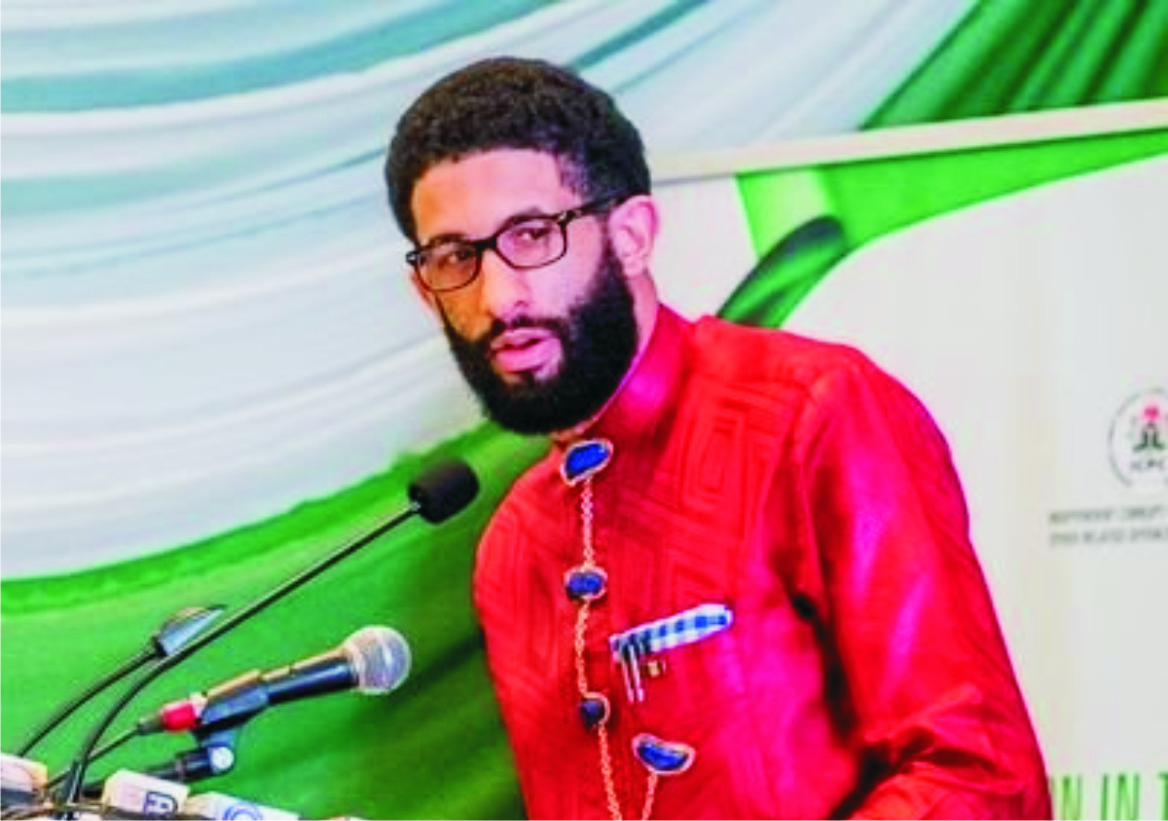
Senior Special Assistant to President, Muhammadu Buhari on Public Affairs, Ajuri Ngelale, has urged Nigerians to expect better performance from the current administration as efforts are in place to revive the power sector.
Ngelale, who is also a member of the Presidential Power Initiative, said President Buhari had engaged processes to ensure that the transformation in Nigeria’s power sector is visible to all by 2021.
“Nigerians have got the right to be sceptical, they were told that we would be generating 40,000 megawatts by 2020 and all of that, and that has not happened.
“So, we understand that if government says something about the power sector, Nigerians are very sceptical, but we are asking our people to pay attention to what is happening right now.
“Earlier this year, around July, the Federal Government signed an MoU with Siemens a global engineering giant based in Germany.
“As a result of the meeting with Angela Merkel (German Chancellor) and President Muhammadu Buhari in the State House, they agreed that the German Government would step in and assist us with the development of our power sector.
“So, what we are telling Nigerians and we are saying it openly for them to hold us to account, is that by December 2021 we would have increased our distribution capacity from 3000 megawatts to about 7000 megawatts.
“Which means Nigerians will see more than double the capacity they have been seeing over the last several decades within the next two years”, he said.
Ngelale said due to some challenges in the sector, Nigerian government is currently focused on distribution.
“Mr President has said we need to deal with distribution before we touch anything else, let Nigerians be seeing the power that we are already generating.
“While that is going on, as we get towards 2021, we are also building the Ajaokuta to Kaduna to Kano Gas Pipeline but along that pipeline, there is going to be three power plants.
“One in Abuja, Kaduna and Kano; each power plant is going to generate 1,350 megawatts; if you put all that together, that is of course more than 4000 megawatts of new power.
“And that is separate from the Mambilla Hydro Power Project that’s about 3500 megawatts that we are currently at the end of negotiations with Chinese Government”.
Ngelale, while expressing Government’s excitement at the project, reiterated that by 2023, power distribution would have risen to 11,000 megawatts.



-

 News4 days ago
RSG Targets Nine Million Residents in Mosquito Net Distribution Campaign
-

 Oil & Energy4 days ago
Aiyedatiwa Signs New Electricity Bill
-

 Maritime4 days ago
Marine Minister Commends President Tinubu On NPERA Bill Assent
-

 Oil & Energy4 days ago
NLNG Commissions Research And Innovation Centre In RSU
-

 News4 days ago
KenPoly Holds Eight Convocations, August 29
-

 News4 days ago
RSG Begins Another Phase of Projects Commissioning Today
-

 News4 days ago
RMAFC Completes Revenue Sharing Review, Proposes New Pay
-

 Maritime4 days ago
NAGAFF Petitions IGP Over Alleged Maritime Police Harassment