
Business
SMEs Task CBN On Lower Naira Denominations

The scarcity of lower denominations of naira has continued to be an issue in the business community, especially for men and women who are involved in small and medium business transactions.
In an interview with The Tide in Port Harcourt, businessmen and women in market places transporters, hawkers and even super stores operators bemoaned the effect of the scarcity in their transactions.
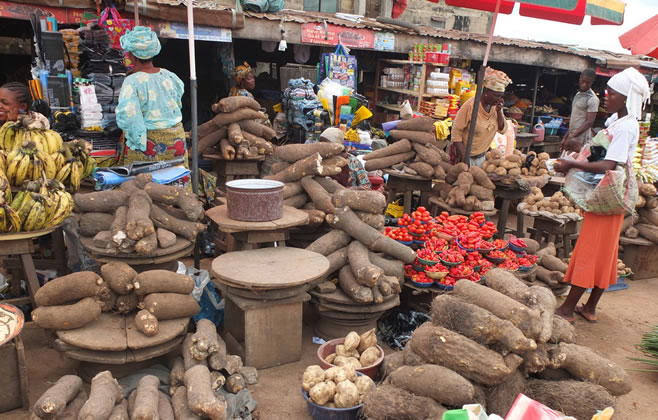
A business woman in Mile III market, Port Harcourt, Mrs Chinyere Okechukwu told The Tide that the scarcity of these lower denominations is responsible for the increase in the price of some goods in order to prevent the giving of balance which causes quarrelling and fight among customers.
Okechukwu noted that Central Bank of Nigeria (CBN) only prints the higher denominations like N1,000, N500 and N200 notes, adding that most of the N100 notes in circulation are rejected by customers because of their looks.
She wondered why government would not take proactive steps to help the masses, adding that “because of the scarcity of the lower denominations, you can hardly see any goods being sold for N5, N10, N20 and so on. This is not helping our economy.”
Another business man, Mr Effiong Effiong said that this scarcity normally reduces somebody’s purchasing power, adding that “the N5, N10 and N20 balances which they do not give you in the filling stations, super markets and from one table to another in the market can amount to big money.”
Effiong noted that the smallest denominations exist in other countries and makes life simple, adding that there is the need for CBN to start printing these denominations to help the masses and reduce the rate of inflation in the country.
It would be recalled that the Senate raised a motion on the currency scarcity and expressed worry that banks in Nigeria no longer dispense the lower naira denominations on the excuse that they hardly receive them from the CBN.
Senator Peter Nwaoboshi from Delta State who raised the motion said the Senate is disturbed that the lower denominations are printed and procured outside the country with the attendant economic and security implications.
Meanwhile, the CBN appears to be determined to address the concerns of the Senators as well as the masses who are calling for the intervention by the apex bank.
CBN’s Acting Director, Currency Operation Department, Mrs Priscilla Eleje said that Nigerians, especially the poor groaned under the inflationary effect of the scarcity of the notes mostly used for economic transactions by the masses.
She said the campaign has started in Abuja and would also spread to other states which, according to her, would ensure that traders desist from hiking prices of goods just to avoid looking for customers’ balances.




-

 Education20 hours ago
FCE Yola Graduates 3,555 Teachers , Seeks Upgrade to University
-

 Niger Delta22 hours ago
Diri Restates Stance On Lagos-Calabar Coastal Highway
-

 Sports19 hours ago
Nigerian Trio Target Titles At PFL Africa Finals
-

 Niger Delta22 hours ago
C’River, NUJ Pay Tribute To Late Guardian Editor
-

 News24 hours ago
NDLEA Recovers Tons Of Illicit Drug Consignments In Nine States
-

 Opinion22 hours ago
Checking Voter Apathy In Nigeria’s Electoral Process
-

 Politics20 hours ago
2027: DICKSON’S EX-ALLY VOWS TO WORK AGAINST NDC INTEREST IN BAYELSA
-

 Politics20 hours ago
2027: GROUP PLEDGES 40,000 SUPPORTERS FOR COALITION CANDIDATES IN RIVERS