Connect with us

Editorial

Ending The Scourge Of Malaria 

Published

on

The fight against malaria experienced some setbacks worldwide in 2020. The outbreak of Coronavirus
shifted global attention towards its fight and prevention and away from several other diseases.  The result was an increase in deaths from malaria from 558,000 in 2019 to 627,000 in 2020. Moreover, the number of cases increased from 227 million in 2019 to 241 million in 2020. This shows a 6.17% increase in incidents and a 12.37% increase in deaths to malaria in 2020.
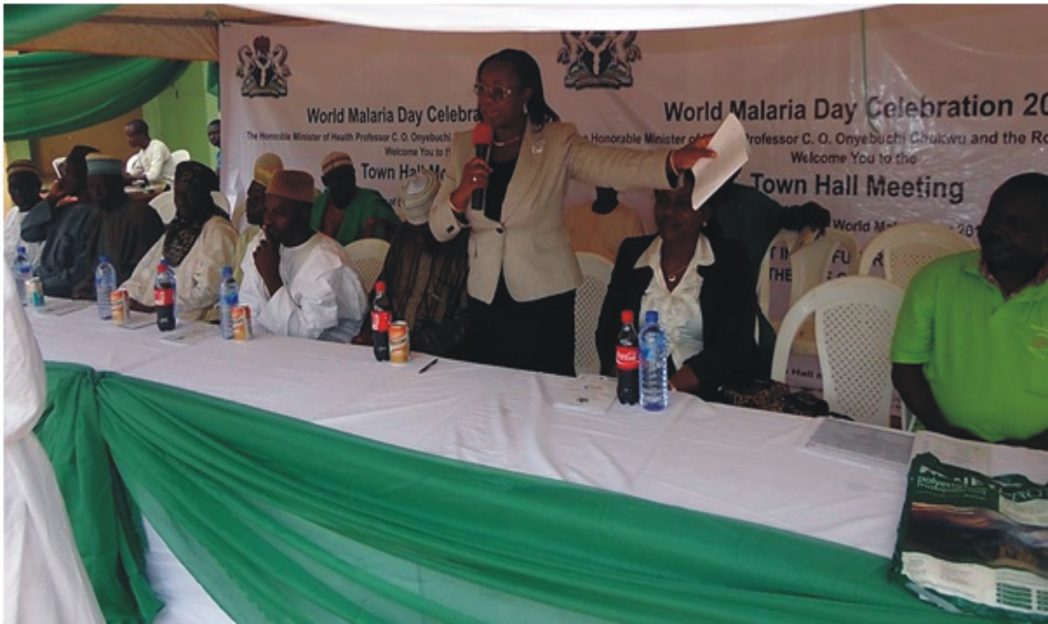
To put the world back on track, this year’s World Malaria Day (WMD) is tagged “Harness Innovation to Reduce the Malaria Disease Burden and Save Lives.” This aims to rechannel funds, efforts, and attention towards the fight against malaria to eradicate it by 2030. The World Health Organisation (WHO), which established April 25 each year as WMD in 2007, explained that this is to underscore the collective energy and commitment of the global malaria community in uniting around the common goal of a world free of malaria.
Given the ravages of the disease globally and particularly in Nigeria, this project should be strongly prosecuted and with many more resources. Experts are disturbed that despite efforts to contain the illness, Nigeria loses over $1.1 billion (N645.7 billion) yearly to prevention and treatment of the disease and other costs. According to them, malaria killed no fewer than 200,000 Nigerians and afflicted 61 million others in 2021. They also said Nigeria, the Democratic Republic of Congo (DR Congo), Tanzania and Mozambique accounted for over half of all malaria deaths.
Malaria is a life-threatening disease. It is caused by a parasite transmitted to humans through the bite of an infected female Anopheles mosquito. It is the most deadly creature in the world in casualty rates. Through its bite, it injects the plasmodium parasite in humans, which has five species, with P falciparum, the most deadly. WHO said there were 241 million cases of malaria reported worldwide in 2020. It killed 627,000 persons that year. Not surprisingly, 95 per cent of the cases were found in sub-Saharan Africa and 96 per cent of the deaths.
The World Malaria Report 2021 reaffirmed the sorry reality of Nigeria and other sub-Saharan African countries: 80 per cent of all malaria deaths in the region were of children under age five. This is an unacceptably high toll that should be reversed at all costs. President Muhammadu Buhari and all the state governors should pay attention to these appalling figures.
Nigeria, with 31.9 per cent of the total, led three other African countries to account for over half of the total global deaths. It was followed by Congo DR’s 13.2 per cent; Tanzania’s 4.1 per cent, and Mozambique’s 3.8 per cent. One study described malaria as Nigeria’s topmost public health challenge, accounting for 30 per cent of all under-five deaths, 25 per cent of deaths in infants and 11 per cent of maternal mortality.
The United States Centers for Disease Control declared, “Costs to governments include maintenance, supply, and staffing of health facilities; purchase of drugs and supplies; public health interventions against malaria, such as insecticide spraying or distribution of insecticide-treated bed nets; lost days of work with resulting loss of income; and lost opportunities for joint economic ventures and tourism.” It estimates combined direct costs to the afflicted areas at $12 billion each year.
In addition, malaria increases Africa’s GDP by 1.3 per cent yearly. This is heart-wrenching for a continent that lags behind all others on the development index. Nevertheless, the good thing is that the disease is both preventable and curable. Following the disturbing statistics from the global health body, Nigeria must purposefully trigger and restart old operations.
Nigeria has been unable to utilise global interventions to reduce the intensity of the disease. Sadly, both the 1998 Roll Back Malaria project aimed at malaria burden reduction by at least 50 per cent, and the 2005 Abuja Declaration to upturn malaria encumbrance, were improperly implemented. To date, the country has not done much to reverse the trend. Like other national programmes, inconsistency and poor enforcement have dogged it.
Both the federal and state governments have to carry out actions to exterminate malaria. They should execute programmes to preserve a healthy environment for vector control, make insecticide-treated nets available free to homes, finance preventative and remedial medicines, and rigorously embrace the WHO regulations on malaria control. Corrupt government officials who misappropriate donated insecticide-treated nets for personal profit should be prosecuted.
Hospitals need to be equipped, while medical workers should be motivated. There is a need to clear drainages and retool the Primary Health Centres to turn the tide against malaria. Local governments should fund health centres, accompanied by effective sanitation activities. The sanitary inspection system that was effective in the First Republic should be revived, upgraded, well-funded and its staff trained and encouraged.
In a goodwill message on the occasion, the Rivers State Government reiterated its political will and commitment to reducing the disease burden of Rivers people. The Deputy Governor, Dr Ipalibo Harry Banigo, stated this in Government House, Port Harcourt, to commemorate World Malaria Day 2022. Under the watch of the state governor, Chief Nyesom Wike, the prevalence rate of malaria had reduced significantly to 11.3 per cent against the national prevalence of 24 per cent, she noted.
Further statistics from WHO State Coordinator, Dr Okafor Chinenye, revealed that Rivers State was closest to achieving WHO’s pre-elimination phase of 5 per cent positivity rate. Chinenye, who was represented by WHO’s Information, Planning, Monitoring, and Evaluation Focal Point in the state, Mr Akuneto Reagan, said the last national survey of 2018, showed that the state had the lowest malaria prevalence in the entire South-South zone at 11%.
With that, Rivers modestly ranks among the best five states in Nigeria. This gigantic success, no doubt, is credited to Governor Wike whose robust health policy in the state is second to none. While we sincerely commend the government for the monumental achievement, the good news is a reason to be more cautious to ensure that more is done to keep the state continuously on the malaria elimination track.
As part of our commitment to the reduction of the malaria burden and saving lives in the state, Rivers people must take responsibility to keep their environment clean, get rid of stagnant water, sleep under insecticide-treated bed nets, and test for malaria before medication in the quest to control and eliminate the ailment. Importantly, the federal and state governments should fund preventive treatment during pregnancy to decrease the burden of malaria in pregnant women, as experts say pregnancy reduces a woman’s immunity to malaria.

Continue Reading

Editorial

For A Prosperous 2026

Published

on

As 2026 begins, Nigeria stands once again at a defining crossroads. The expectations of citizens are high, patience is thin, and the responsibility of leadership has never been more urgent. This year must not be another season of rhetoric; it must be a year of deliberate action that restores confidence in the country and renews hope among the people.
Foremost on the national agenda is security. From terrorism and banditry to kidnapping and communal violence, insecurity continues to erode lives, livelihoods, and national cohesion. Government must strengthen the current fight against insecurity by improving intelligence gathering, equipping security agencies adequately, boosting morale, and deepening cooperation among federal, state, and local authorities.
In this effort, continuous collaboration with strategic partners such as the United States remains crucial. Beyond military support, such partnerships should focus on intelligence sharing, counter-terrorism training, cyber security, and capacity building for law enforcement. Nigeria must leverage international alliances while retaining firm ownership of its security strategy.
Equally pressing is the ailing economy. Inflation, unemployment, and currency instability have placed enormous pressure on households and businesses. 2026 should be the year of hard economic choices—fiscal discipline, support for local production, targeted social protection, and policies that encourage investment, especially in agriculture, manufacturing, and technology.
Infrastructural development must also move from promise to performance. Roads, rail, power, ports, and digital infrastructure are not luxuries but foundations of growth. A clear focus on completing ongoing projects, rather than endlessly inaugurating new ones, will signal seriousness and deliver measurable benefits to citizens.
As the nation looks ahead, preparations for the 2027 general elections must begin now. Credible elections are central to democratic stability. Political actors should moderate their conduct, while citizens must be encouraged to engage peacefully and responsibly in the democratic process.
The Independent National Electoral Commission (INEC) has a special duty in this regard. Early preparations—logistics, voter education, technology upgrades, and staff training—are essential to avoid the familiar last-minute challenges. Transparency and consistency from INEC will go a long way in rebuilding public trust.
In Rivers State, 2026 carries its own weight of expectations. Immediate attention must be paid to preparations for the February bye-elections to fill two vacant seats in the State House of Assembly. INEC, political parties, security agencies, and community leaders must work together to ensure peaceful, credible polls free from intimidation and violence.
Beyond the bye-elections, the state must deliberately cultivate peace as it moves toward the 2027 elections. Rivers has paid a heavy price in the past for political tension and conflict. The lessons are clear: development cannot thrive in an atmosphere of perpetual crisis.
The resurging political crisis in the state must therefore be urgently contained. All stakeholders—across party lines—should put Rivers first, choosing dialogue over confrontation. Institutions must be respected, and the rule of law upheld, to prevent political disagreements from degenerating into instability.
Governor Siminalayi Fubara’s administration must remain focused and undistracted. Governance demands clarity of purpose. The people elected this government to deliver results, not to be consumed by endless political battles that divert energy from service delivery.
Security remains paramount at the state level as well. A secure Rivers State will attract investment, protect individuals and communities, and enable economic activity. Strengthening collaboration between state authorities, security agencies, and local communities should be a top priority in 2026.
Job creation, especially for young people, must also take centre stage. Education and healthcare require renewed investment, not just in infrastructure but in quality and access. A healthy, skilled population is the strongest asset any state can possess.
Ultimately, 2026 should be a year of reset for both Nigeria and Rivers State, a year when leaders choose responsibility over rivalry and vision over short-term gain. If security is strengthened, institutions are respected, and the welfare of citizens remains paramount, the foundations for a more stable and prosperous 2027 will have been firmly laid.
The media, civil society, and traditional institutions also have a crucial role to play in 2026. Agenda-setting must go beyond politics to issues of accountability, transparency, and civic responsibility. Citizens must be consistently informed, not inflamed; mobilised, not manipulated. A vigilant public space will help ensure that leaders at both national and state levels remain responsive to the people they serve.
History will judge 2026 by the choices made today. Nigeria and Rivers State cannot afford drift or distraction. What is required is steady leadership, collective responsibility, and an unwavering focus on peace, development, and democratic integrity. If these priorities guide action throughout the year, 2026 can become a turning point rather than another missed opportunity.
Continue Reading

Editorial

Task Before New Defence Minister 

Published

on

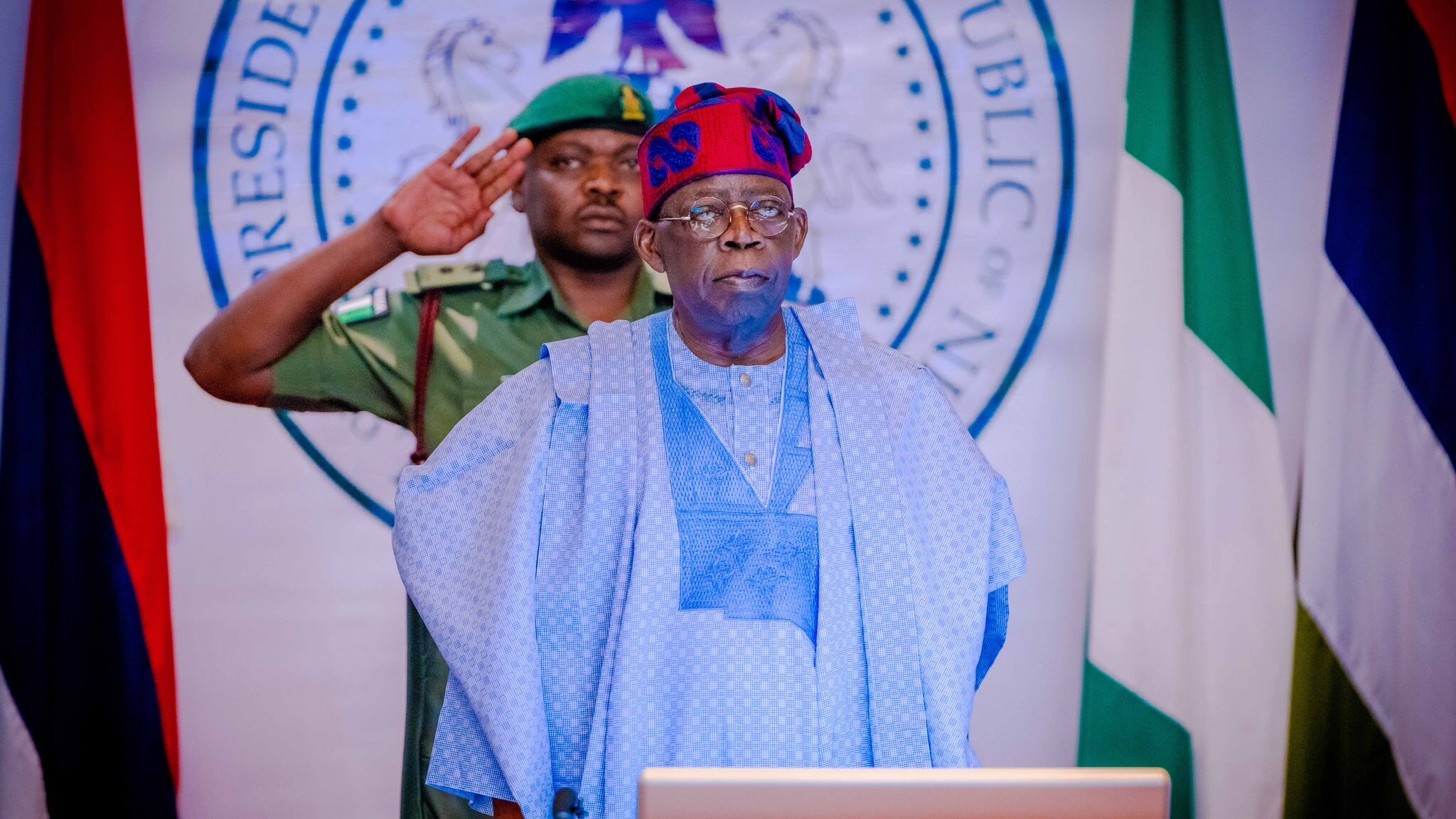
The appointment of General Christopher Musa as Nigeria’s Defence Minister has been met with widespread approval across the nation, and rightly so. After his commendable tenure as Chief of Defence Staff, where he demonstrated exceptional leadership and strategic acumen, Nigerians are justified in their optimism that he possesses the requisite credentials to tackle the country’s mounting security challenges. This is not merely another political appointment; it represents a deliberate and overdue shift towards placing experienced military personnel at the helm of our defence apparatus. The stakes could not be higher, and the nation’s expectations are correspondingly elevated.
For once, the Senate demonstrated the thoroughness that Nigerians have long demanded from their legislators. During approximately five hours of screening, General Musa faced rigorous questioning rather than the perfunctory “take a bow and go” treatment that has become the hallmark of senatorial confirmations. This meticulous approach signals a refreshing departure from the rubber-stamp mentality that has characterised many previous appointments. The lawmakers deserve commendation for recognising the gravity of the defence portfolio and subjecting the nominee to proper scrutiny. We can only hope this sets a precedent for future ministerial screenings.
President Bola Tinubu deserves credit for making what appears to be a pragmatic and judicious decision. By appointing someone with robust military credentials and intelligence expertise, the President has demonstrated an understanding that Nigeria’s security crisis demands specialised knowledge and battlefield experience. This appointment suggests a willingness to prioritise competence over political patronage, a quality that has been sorely lacking in previous administrations. The President must be encouraged to maintain this standard across other critical appointments.
The departure of Mohammed Badaru Abubakar from the Defence Ministry should serve as a lesson in the importance of matching expertise to responsibility. Whilst Mr Abubakar may possess political acumen, his lack of military background rendered him ill-equipped for the complexities of national defence. He was, in every sense, a square peg in a round hole. The previous arrangement, which saw two politicians manning the Defence Ministry, was nothing short of a misnomer. One cannot credibly oversee military operations without understanding military strategy, tactics, and the psychology of warfare. The mistake should not be repeated.
Whilst we applaud both the President for this appointment and the Senate for their diligent screening, the real test lies ahead. General Musa must now prove his mettle in the theatre of action. Words and credentials, however impressive, mean little without tangible results. Nigeria has suffered too long under the scourge of insecurity, with bandits, terrorists, and kidnappers operating with impunity across vast swathes of the country. The new minister must act decisively to save the nation from the embarrassment of continued security failures. The time for excuses has passed; Nigerians demand results.
During his screening, General Musa made a particularly important pledge: to end the patronage of bandits and terrorists by state governors. This commitment strikes at the heart of one of Nigeria’s most troubling security contradictions. The practice of negotiating with criminals, often facilitated or endorsed by state governments, has emboldened these miscreants and transformed banditry into a profitable enterprise. Such negotiations amount to nothing less than aiding and abetting criminality. General Musa’s promise to treat these elements as the criminals they are, rather than as legitimate negotiating partners, is commendable and must be pursued with unwavering resolve. There can be no compromise on this principle.
The new minister must undertake a comprehensive overhaul of Nigeria’s security architecture to enhance military effectiveness. This requires close collaboration with the service chiefs to establish clear objectives and ensure coordinated execution. Beyond structural reforms, General Musa must address the discipline deficit within the military ranks. Reports of corruption, negligence, and complicity in security breaches have eroded public confidence in the armed forces. Restoring discipline is not merely an administrative matter; it is fundamental to rebuilding the military’s credibility and operational effectiveness. Without discipline, no amount of equipment or funding will suffice.
General Musa’s promise to investigate the mysterious withdrawal of soldiers from the school in Kebbi State, which preceded the kidnapping of students, demonstrates a welcome commitment to accountability. This incident exemplifies the inexplicable lapses that have characterised Nigeria’s security response. Someone ordered or permitted that withdrawal, and the timing suggests either catastrophic incompetence or deliberate sabotage. The minister must get to the root of this matter and ensure that culprits face appropriate sanctions. Only through such decisive action can he send a clear message that negligence and complicity will no longer be tolerated.
However, Musa cannot succeed without adequate resources. The Federal Government must provide sufficient funding to enable the Defence Ministry to perform optimally. Next year’s budgetary allocation must reflect the enormous task at hand. It is counterproductive to demand results whilst starving the military of the resources necessary for modern warfare. This includes investment in intelligence gathering, modern weaponry, surveillance technology, and troop welfare. A poorly equipped and demoralised military cannot be expected to defeat well-armed insurgents and bandits who increasingly possess sophisticated weaponry.
The political class must resist the temptation to interfere with the General’s work. Whilst many politicians publicly profess support for the fight against insecurity, evidence suggests that some work surreptitiously to undermine these efforts for personal or political gain. Whether through the aforementioned negotiations with bandits, the protection of criminal elements, or the diversion of security funds, political interference has consistently sabotaged military operations. General Musa must be given the autonomy to perform his duties professionally. Only then can he be fairly held accountable for outcomes. The President must shield him from political machinations and vested interests.
The military must abandon its reactive, fire brigade approach to security operations. Waiting to respond only after attacks have occurred is a strategy of perpetual failure. The armed forces must take the fight to the criminals’ hideouts, conducting sustained offensive operations that dismantle their infrastructure and eliminate their capacity to strike. This requires robust intelligence, rapid deployment capabilities, and the political will to sustain operations until objectives are achieved. Proactive military engagement, not defensive positioning, is what the situation demands.
Nigeria’s porous borders represent a critical vulnerability that demands immediate attention. Countries around the world have recognised that border security is fundamental to national security. India has erected comprehensive fencing along its border with Pakistan specifically to prevent terrorist infiltration. Israel has constructed sophisticated barrier systems along multiple borders. Hungary built fences along its borders with Serbia and Croatia. Even the United States has invested billions in border security infrastructure. These nations understand what Nigeria seems reluctant to acknowledge: that uncontrolled borders invite national disaster.
Our borders remain scandalously porous, serving as entry points for the foreign fighters who constitute a proportion of those conducting attacks on Nigerian soil. The Lake Chad Basin, where Nigeria shares borders with Cameroon, Niger, and Chad, has become a particularly problematic corridor through which terrorists move freely. Without proper border infrastructure, surveillance systems, and adequate personnel deployment, Nigeria will continue to face an endless influx of armed criminals. The Defence Minister must prioritise border security as part of a comprehensive strategy to protect Nigerian lives and territory. The appointment of a competent Defence Minister means little if our borders remain open highways for those who wish us harm.
Continue Reading

Editorial

HYPREP And The Collapsed Water Tank

Published

on

The recent collapse of a water tank built by the Hydrocarbon Pollution Remediation Project (HYPREP) in the Gwara area of Ogoni in Rivers State is an alarming reminder of how easily public faith in government interventions can erode when development projects fail so soon after their unveiling. The incident has stirred deep concern across the state, raising doubts about whether the communities can truly rely on the structures meant to improve their lives.
Only days earlier, the Minister of Environment, Balarabe Lawal, had proudly inaugurated two water projects in Bane and Gwara communities in the Khana Local Government Area, with residents celebrating what they believed would mark a new chapter in access to clean and safe drinking water. The communities had hoped these projects would bring long-awaited relief and stand as symbols of meaningful government presence.
Yet in an unexpectedly disturbing turn of events, the Gwara water station, designed to supply potable water to about 14 communities, collapsed merely three days after the commissioning. This rapid failure has left residents not only shocked but also frustrated, as such an outcome suggests deep flaws in planning, execution, supervision, or all three combined.
Some natives allege that the debacle resulted from the use of inferior construction materials, raising a serious accusation that calls into question the level of professionalism involved. If such claims turn out to be true, then the collapse becomes more than an accident; it becomes evidence of negligence that could have endangered several lives.
Others are alleging outright sabotage, a troubling claim that suggests there may be forces actively working against the progress of development projects in the area. This possibility only widens the scope of questions that investigators must answer to restore public confidence.
Meanwhile, HYPREP insists that its water projects in other Ogoni communities are functioning efficiently and that this particular incident does not define the overall quality of its work. However, this defence, while necessary, does little to calm a community that has already seen too many failed promises over the years.
This situation raises an important question about whether the good work of HYPREP is being undermined by unscrupulous individuals whose interests may not align with the welfare of the people. If sabotage is indeed at play, then identifying those responsible becomes crucial in preventing further setbacks.
Given the gravity of the matter, the collapse requires an immediate and rigorous investigation to uncover what truly happened and why. It is reassuring that a committee has already been set up to delve into the details, but the public expects nothing short of a transparent and thorough process.
The fact remains that if the tank had collapsed on people, the community would be counting casualties and dealing with a deeply grievous tragedy. The near-miss should serve as a wake-up call about the potential dangers that poorly executed infrastructure projects pose in vulnerable areas.
It is therefore expected that the findings of the committee will expose the actual competence or otherwise of the contractors HYPREP engages. Only a reliable and professional team can successfully deliver the kind of durable infrastructure that the Ogoni people deserve.
If such a catastrophe can occur just days after commissioning, it indicates that similar incidents may happen again in the future unless deliberate and strategic efforts are made to prevent them. Preventive measures must become a standard part of project planning and monitoring.
The public cannot help but question why an organisation as financially endowed as HYPREP appears unable to deliver a credible water project for the Gwara community. With the massive resources at its disposal, the people expect excellence, not excuses.
Ogoni, being a historically volatile area whose people have endured relentless injustice and environmental degradation, cannot afford provocations of this nature. A crisis could easily have been triggered if the collapse had caused casualties or severe destruction.
More regrettably, the Ogoni clean-up has evolved into a lucrative cash cow for corrupt officials who seem more interested in contracts and kickbacks than in the wellbeing of the people. Meanwhile, residents continue to drink polluted water, suffer from inadequate healthcare, and navigate treacherous road networks.
Communities across Ogoniland must refuse to remain silent when substandard projects are imposed on them. Their voices and vigilance are vital in demanding accountability and ensuring that development interventions truly meet their needs.
HYPREP, on its part, must reaffirm an unwavering commitment to quality, transparency, and accountability in all ongoing and future water projects across Ogoni. Only through this can it rebuild trust and demonstrate that it genuinely prioritises the people.
Finally, HYPREP must enforce rigorous internal and external quality assurance mechanisms that leave no room for negligence. Restoration work should commence urgently, with all efforts dedicated to ensuring that project delivery meets global standards and restore hope to the long-suffering communities of Ogoniland.
Continue Reading

Trending