
Business
FG Stakes N52.7bn To Clear PetrolDebt

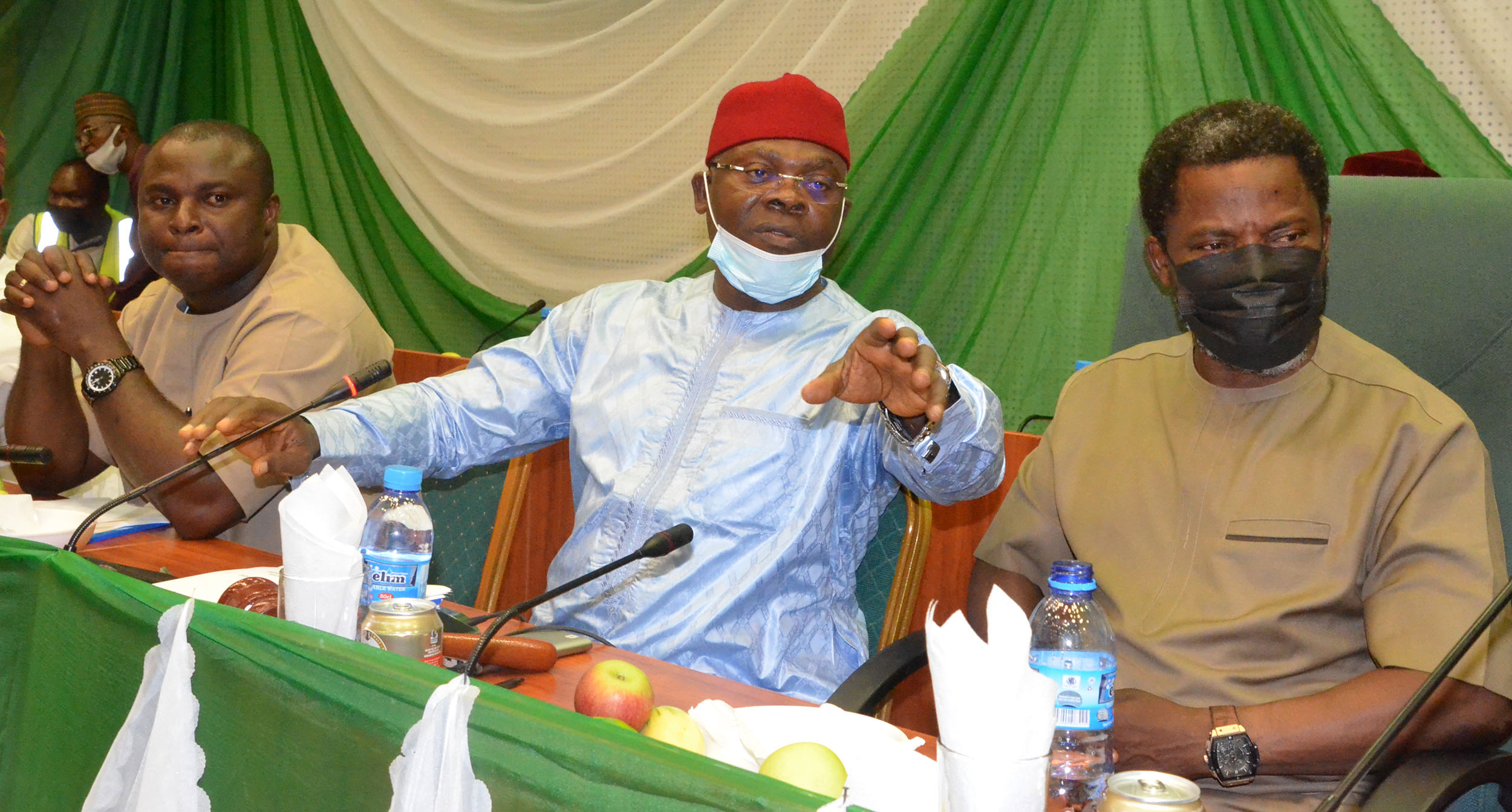
To sustain the supply of Premium Motor Spirit (PMS) in the country, the Nigerian Midstream and Downstream Petroleum Regulatory Authority (NMDPRA) says it has paid over N22 billion as part of the backlog owed to petroleum products transporters in the country.
According to NMDPRA’s Chief Executive, Farouk Ahmed, there are plans to pay another N30 billion this week to the petroleum products’ transporters, saying that the move was to bring respite to cushion the effect of the difficulties faced as a result of the current economic realities.
The debt to petroleum product marketers had skyrocketed in the past three months following the scrapping of the Petroleum Equalisation Fund Board, whose responsibility to settle the transportation cost of petrol has been assumed by the newly created NMDPRA.
At an interactive session with stakeholders in the oil and gas industry, Ahmed said the N22 billion paid so far has surpassed the whole of payment made in 2021, adding that the authority would deploy due diligence before making another set of payments to the transporters.
“Since the last meeting of December, we have paid about N12.7 billion to the transporters and last week Monday, we paid another N10 billion and this week we are paying another N30 billion to transporters in a bid to give them respite because of the difficulties they are facing with the economic realities.
“If you add the N30 billion we are planning to pay this week, the whole payment made so far would be N52.7 billion for the PMS bridging fund and this payment is ongoing and as they transport, we pay.
“When we came in, we wanted to ensure that we did our due diligence before payment was done. What we paid in December has surpassed the whole of the payment made in 2021”, he explained.
Ahmed noted that the reconciliation is still ongoing, stressing that as they get more funds, such would be disbursed to clear up the inherited backlog.
He said regarding the Acts, regulations are being put in place by the Presidential steering committee chaired by the Minister of State for Petroleum Resources, Timipre Sylva.
He added that out the 38 regulations that relate to authority, the Authority has so far received about eight regulations forwarded to the Authority for review.
Also speaking, the Group Executive Director, Downstream, Nigeria National Petroleum Corporation (NNPC), Limited, Yemi Adetunji, said NNPC will continue to ensure that all petroleum products would be available.
He stated that all through the festive period in 2021, there were zero queues across the country.
Commending all the stakeholders in the industry for the achievement, he assured that “NNPC will continue to put in place and supply the market with adequate petroleum products even as it is now NNPC Ltd, a commercial company governed by both the Petroleum Industry Act (PIA )and Companies and Allied Matters Acts (CAMA)”.


-

 Featured3 days ago
WASSCE: RSG Distributes Science Materials To Secondary Schools
-
News3 days ago
Xenophobic Attacks: Nigerian Lives More Important Than Foreign Investment – Oshiomhole
-
Rivers3 days ago
MBA Forex Trial Adjourn To June 3, Amid Bereavement … As Court Declines Cost Application
-
News3 days ago
ActionAid Demands Probe Of Govs Using Public Funds For Campaign
-
Aviation3 days ago
Passengers Stranded As Delta Airline From Atlanta Route Back Eight Hours After
-
Business3 days ago
Customs Impound N2.35bn Cocaine, 15 Trailers of Rice
-
Politics3 days ago
2027: Bayelsa Senator Gets Critical Endorsement For Second Term
-

 Politics3 days ago
INEC Sets Rivers South-East Senatorial By-Election For June 20