
Nation
MOSIEND Calls For RSG, NDDC, Stakeholders’ Intervention In Obolo Nation

The Movement for the Survival of the Izon Ethnic Nationality in the Niger Delta (MOSIEND) has decried the neglect of communities in Obolo Nation and others in the Niger Delta Region
MOSIEND also called on the stakeholders to empower the youths in skill acquisition and other meaningful ventures to better their lives
This call was on Rhythm 93.7 FM Port Harcourt, Radio program, Talk of the Town, by MOSIEND Eastern Zonal Coordinator of MOSIEND Half Hour Comrade Tammy Bruce Longjohn, alongside Asarama Clan Chairman, Comrade Amos Zebedee Udu, and Unyeada Clan Chairman Comrade Owen Wilson Ngere monitored by our correspondent
The spokepersons underscores the urgent need for government agencies and development partners to respond decisively to the dire state of basic amenities in the area.
MOSIEND leaders in Obolo Nation lamented the absence of potable water, electricity, access roads, and other functional public infrastructures in the clans
“What is troubling is that these complaints continue to echo without corresponding action from the Rivers State Government, the Niger Delta Development Commission, and the oil companies operating in and around the area”.
According to the MOSIEND leaders, the situation has reached a point where community members, particularly youths and women, require deliberate intervention to rebuild livelihoods and restore hope.
They also emphasised the need for empowerment programmes, vocational training, and investments in local economies that depend heavily on fishing and trade.
The Clan leaders call for provision of small engine boats for fishermen and the construction of proper market spaces for the communities
Asarama Clan Chairman, Comrade Udu noted that the community participates fully in electoral processes yet continues to live without clean water or electricity.
He insisted that the clan is not benefiting as they ought to from any MoU with oil companies nor from NDDC projects, raises concerns about the fairness and inclusiveness of development planning in the state.
Equally troubling is the account from Unyeada Clan Chairman, Comrade Owen Wilson Ngere, who highlighted the alarming state of Unyeada Primary School, where children are forced to learn on bare floors without desks, chairs, or basic sanitation facilities.
” For a region that hosts oil and gas activities, such conditions are unacceptable and should concern all stakeholders”.
The Unyeada Clan Commended NDDC for the installation of solar lights in the communities, noting that the project is not enough for the entire community as they
appeal for more of the solar project in the area
While the leaders expressed appreciation to Governor Siminalayi Fubara for the ongoing construction of roads in the area, and to the local council Chairman for the provision of potable water in some communities, .
“Obolo Nation has shown remarkable restraint and continues to maintain peace, as noted by the MOSIEND Coordinator”.
“The issues highlighted are not demands for luxury,but are basic necessities that every community in the Niger Delta deserves.
“The time for promises has passed; what Obolo communities need now is visible, sustained, and inclusive development.
Chinedu Wosu


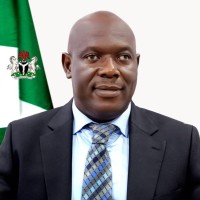
The Hydrocarbon Pollution Remediation Project (HYPREP) has commemorated the 15th anniversary of the release of the United Nations Environment Programme (UNEP) Environmental Assessment Report on Ogoniland, reaffirming its commitment to restoring the environment and improving the livelihoods of affected communities.
In a statement signed by the Project Coordinator, Prof Nenibarini Zabbey, to commemorate the anniversary, HYPREP described the anniversary as a significant milestone in Nigeria’s environmental restoration efforts, noting that the project has made remarkable progress in implementing the recommendations of the landmark UNEP report released on August 4, 2011.
The UNEP report had revealed extensive oil pollution across Ogoniland, severe environmental degradation, and serious public health risks resulting from decades of petroleum operations. It also recommended an initial $1 billion fund to commence the cleanup of the affected communities.
According to HYPREP, the Federal Government formally launched the Ogoni clean-up in 2016, while the Project Coordination Office was established in 2017 to drive the implementation of UNEP’s recommendations.
Zabbey said the current administration has continued to prioritise the project under the Renewed Hope Agenda.
Providing an update on the cleanup, the Project Coordinator disclosed that 30 of the 65 contaminated sites identified by UNEP have been fully remediated, while work is ongoing at several medium- and high-risk locations. It also stated that more than 1.5 million mangrove seedlings have been planted as part of what it described as the world’s largest restoration of oil-degraded mangroves, with over 1,000 hectares of shoreline already rehabilitated.
Zabbey further revealed that 49 Ogoni communities have been connected to potable water schemes through multiple water projects and booster stations aimed at providing safe drinking water across the region.
In the health sector, he said the 100-bed Ogoni Specialist Hospital in Kpite and the 43-bed Cottage Hospital in Buan are nearing completion, adding that several existing health facilities have been upgraded with modern medical equipment, while five ambulances have been donated to improve emergency healthcare services. The Project Coordinator also disclosed that a three-year human health biomonitoring study is being conducted in collaboration with the World Health Organization’s International Agency for Research on Cancer (IARC).
On economic empowerment, Zabbey stated that the Project has created more than 8,000 direct jobs and trained thousands of Ogoni youths and women in various vocational and technical skills, including software development, cybersecurity, aviation, commercial diving, seafaring, mechatronics, and creative arts. The project also reported awarding scholarships to more than 1,000 students, providing grants to small businesses, and supporting persons living with special needs through skills acquisition programmes.
The statement further highlighted ongoing legacy projects, including the Ogoni Power Project and the Centre of Excellence for Environmental Restoration, which it said is about 96 per cent complete. HYPREP also welcomed the recent designation of the Ogoni Wetland as a Ramsar Site of International Importance and pledged to continue promoting biodiversity conservation and sustainable management of the ecosystem.
Marking the anniversary, Zabbey said the progress achieved over the past 15 years demonstrates the collective commitment of government, development partners, stakeholders, and local communities to restoring Ogoniland. He called for renewed collaboration to sustain the cleanup effort, promote environmental sustainability, and support the long-term development of the region. 3
-

 News2 days ago
RSG Targets Nine Million Residents in Mosquito Net Distribution Campaign
-

 Oil & Energy2 days ago
Aiyedatiwa Signs New Electricity Bill
-

 Maritime2 days ago
Marine Minister Commends President Tinubu On NPERA Bill Assent
-

 Oil & Energy2 days ago
NLNG Commissions Research And Innovation Centre In RSU
-

 News2 days ago
KenPoly Holds Eight Convocations, August 29
-

 News2 days ago
RSG Begins Another Phase of Projects Commissioning Today
-

 News2 days ago
RMAFC Completes Revenue Sharing Review, Proposes New Pay
-

 Maritime2 days ago
NAGAFF Petitions IGP Over Alleged Maritime Police Harassment