
Nation
THE STATES

Adamawa
Despite the public holiday declared by the Adamawa
State Governor, Admiral Murtala Nyako (retd.), the seven-man panel set up by the outgoing Acting Chief Judge, Justice Ambrose Mammadi, began sitting in Yola last Monday.
Though the public holiday was to cover Monday and Tuesday but members of the panel commenced sitting at the popular Hotel J&J Holiday Villa in Yola, the state capital, amid tight security provided by both land and air troops.
When the governor announced the public holiday on Sunday, he said the period would be devoted to prayers by the citizens and civil servants in view of the insecurity in the state but many had believed the move was to stave off the impeachment process against him.
Mammadi had last Friday set up the panel to investigate allegations of gross misconduct levelled against the governor and his deputy, Mr. James Ngilari. The acting CJ set up the investigative panel as requested by the Adamawa State House of Assembly.
Bauchi
Troops have taken the battle to Boko Haram insurgents,
destroying their bases in Balmo Forest, the Defence Headquarters (DHQ) said yesterday. Balmo is on the fringes of Sambisa Forest where over 200 Chibok girls are believed to be in captivity.
The military also confirmed that 44 insurgents were killed in encounters with troops in Kerenoa. The Director of Defence Information, Maj.-Gen. Chris Olukolade, in a statement in Abuja, said the encounters between troops and the insurgents occurred at the weekend.
The statement said: “Troops have cleared and taken over Balmo Forest in a military operation that lasted throughout the weekend. Prior to the operation, Balmo Forest, stretching from Bauchi through Jigawa states, with links to the fringes of Sambisa Forest, was used by terrorists as bases and hideouts for launching attacks.
“Terrorists and armed gangs operating in the forests were completely routed out while some were captured during the operation. Among those captured were two foreigners who are suspected to be mercenaries. Also captured are several weapons and equipment, including power generating sets, communication equipment, vehicles, motorcycles, foodstuff and kitchen utensils.” It added.
Benue
Primary school teachers in Benue State, last Monday,
resumed classes after nine months of strike.
Our source who went round some public primary schools in the capital city of Makurdi also learnt that pupils abandoned classes. Teachers who resumed work sat in groups to share their experiences during the prolonged strike.
Speaking on their resumption, the head teachers of the visited schools, Mrs Esther Zaaya, Rebecca Yugh and Laadi Ngbegha respectively expressed optimism that the pupils might turn up before the week runs out.
The chairman of Parents/Teachers Association (PTA), CAC Nursery/Primary School, Wadata, Samson Oga, said he and other members had been going around to sensitise parents to ensure that their children/wards returned to school.
Gombe
Nigerian police recently uncovered a plot to bomb a
secondary school in the restive northeastern city of Gombe by defusing a car laden with explosives that had been abandoned there, a spokesman said.
Police bomb experts found 12 improvised explosives concealed in a car that was abandoned on the premises of the state-run Pilot Secondary School, following a tip-off, Fwaje Attajiri told newsmen.”Our ordnance experts discovered 12 IEDs (improvised explosive devices) in the trunk of the car left in the vicinity of the school after we were alerted,” he said.
“The explosives had the capacity of causing maximum damage and would have caused huge casualty had they detonated in the school with a high student population,” he said.
Attajiri said an investigation had been launched to establish who was behind the foiled attack, refusing to say if Boko Haram Islamists can be blamed.Boko Haram, which means Western education is forbidden in local Hausa, has carried out deadly attacks on schools in the volatile northeast as part of a five-year insurgency aimed at establishing an Islamic state in the north.
Kaduna
Kaduna State Deputy Governor, Nuhu Bajoga, has said
no opposition party, including, the All Progressives Congress (APC), can win governorship and other elections in the state in 2015, saying the Peoples Democratic Party (PDP) will sweep all elections in the state in 2015.
The deputy governor., who stated this at the weekend in Kwoi, Jaba Local Government Area of the state, during the party’s stakeholders’ meeting, said no opposition could challenge the PDP in the state.
He said despite moves by the new opposition party to obstruct the growing influence of the PDP, the ruling party had strategised on the modalities to counter the opposition.
He pointed out that the feat recorded by PDP since the return of democracy would be repeated because the party had remained the same since it was formed about 16 years ago.
Oyo
At least six persons, including a pregnant woman, were
crushed to death in an auto crash that occurred at Agbala junction area of Ibadan in Egbeda Local Government Area of Oyo State, recently.
Three vehicles were said to be involved in the accident that occurred some minutes past 7am.Although, the Federal Road Safety Commission, FRSC, confirmed that three people, including a woman died, eyewitnesses said there were six casualties. There were also four people, including a child, who were seriously injured.
The accident happened on the ever-busy Ife Ibadan Road when a commercial car, with number plate, YNF 963 AA, reportedly crossed the road unexpectedly while the on coming vehicles ran into it.Confirming the accident, Mr. Abiodun Akinlade, the Egbeda Unit Commander of the FRSC said:
“The accident happened around 7:30 am on Ife Ibadan road at Agbala junction. It involved three vehicles, including Nissan Micra with number plate.
Osun
Some traditional rulers from Osun State have given
reasons why Oduduwa State must be listed among the 19 states recommended by the National Conference for creation by the Federal Government.
The proposed states listed by the conference to be created are Aba, from the present Abia State, Katagum from Bauchi State, Ijebu from Ogun State, Amana from former Sardauna Province, Apa from Benue State, Anioma State from Delta State, Savannah from Borno, Etiti from South-East, Njaba/Anim from Anambra and Imo States, Gurara from Kaduna, Ghari from Kano State, Adada, New Oyo from Oyo State, Orachi from Rivers State, Ogoja from Cross River State and Kanji from Kebbi and Niger States.
But the traditional rulers, in their memo to the leadership of the conference, said it would amount to injustice if states were created in the country without acceding to their demand.
Ondo
Academic and commercial activities at Rufus
Giwa Polytechnic, Owo (RUGIPO) and the entire Owo town were halted following a protest by students of the institution over hike in school fees.
It was gathered that the students resolved to protest the conditions attached to writing exams and the recent unified test introduced by the management of the institution, after a students’ union stakeholders meeting held last Sunday.
Following the new fees introduced by the management, full time students, who are natives are expected to pay over N60,000, non-natives are to pay over 70,000, while newly admitted students are expected to pay over 90,000.
It was learnt that the management had directed that the students should commence a unified test effective from yesterday with the condition that only students who had paid their school fees would be allowed to write the test.
The development, however, provoked the students, who took to the streets yesterday morning, blocking the institution’s gate and preventing lecturers and other members of staff from gaining entry into the school premises.
Sokoto
The Sultan of Sokoto, Alhaji Muhammad Sa’ad
Abubakar III, said politicians were the main problem of Nigeria, stressing that the rising violence in the country had been caused by the undue struggle by politicians to position themselves ahead of the 2015 elections.
Speaking during a chat with reporters at a Ramadan dinner held in his palace in Sokoto Sunday night, the monarch maintained that the rising wave of violence and wanton killing of innocent citizens was geared towards the 2015 elections.
He pointed out that the incessant killing of innocent citizens was all politics, saying politicians were behind the myriad of problems ravaging the country.
“We are shedding too much blood of innocent Nigerians and God will not be pleased with us when we keep on shedding innocent blood because their cries mean a lot,” he said.
He said Nigerians must put aside their religion and ethnicity and come together to tackle the problems of the country.
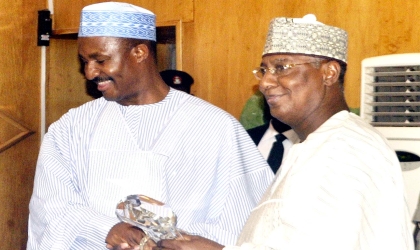
Executive Secretary, National Christian Pilgrims Commission (NCPC), Mr Kennedy Opara (left), presenting a gift to Governor Saidu Dakiingari of Kebbi State, last Monday. Photo: NAN



As the world marked the 2026 International Day of the Girl Child on Sunday, October 11, 2026, a non-governmental organisation, Stand Up for Women Society (SWS) has intensified its campaign against child marriage, urging schoolgirls to prioritise education, protect their rights and develop skills for a better future.
The organisation joined the global observance of the day under the theme, “International Day of the Girl Child: End Child Marriage and Invest in Girls’ Rights,” with a sensitisation programme at Government Girls Secondary School, Oromenike, D-Line, Port Harcourt, Rivers State.
Led by its Vice Chairperson, Daba Benebo, the group engaged the students in discussions on the dangers of early marriage, teenage pregnancy, sexual abuse and other challenges that threaten the education, safety and development of the girl child.
Speaking during the programme, Benebo urged the students to reject early marriage and remain focused on their studies, stressing that education would empower them to make informed decisions about their lives and future.
She cautioned the girls against allowing anyone to deprive them of their right to education and dignity, advising them to report cases of harassment, abuse and other violations of their rights to the appropriate authorities.
Benebo assured the students that SWS remained available to support them whenever they encountered violations of their rights.
She also encouraged them to maintain discipline and responsible conduct while avoiding behaviours that could expose them to negative influences and jeopardise their future.
Beyond formal education, the SWS vice chairperson urged the students to acquire vocational skills that could provide additional opportunities for economic independence and help them navigate future challenges.
The sensitisation programme, enlivened by singing, dancing and to share their views and experiences on issues affecting the girl child interactive sessions, provided an opportunity for the students to share their views and experiences on issues affecting the girl child.
One of the major issues raised during the discussion was the appropriate age for marriage. While some participants maintained that 18 years was the constitutionally approved age, the discussion highlighted the need to consider not only age but also the maturity, preparedness and responsibilities associated with marriage.
The speaker stressed that marriage required adequate mental and emotional preparation, as well as the capacity to shoulder its responsibilities.
She therefore advised the students to concentrate on acquiring a sound education before considering marriage, noting that education would equip them with the knowledge and skills needed to make responsible decisions and manage family life.
The issue of teenage pregnancy also featured prominently during the question-and-answer session.
In addressing the subject, the speaker explained that pregnancy could occur even at the age of 12, using the example to underscore the vulnerability of young girls to the consequences of early sexual activity.
She advised the students to avoid sexual intercourse and prioritise their education, personal safety and future aspirations.
The discussion also examined the difficulties some girls encounter when living with hostile spouses, relatives or guardians.
Benebo encouraged the students to cultivate patience, humility and diligence, noting that these qualities could help them navigate difficult situations and build a brighter future.
However, she warned that patience and humility should never be interpreted as an obligation to endure violence, abuse or degrading treatment.
She urged girls experiencing hostile or abusive living conditions to seek help from their parents, trusted adults or appropriate support services rather than remain in environments that could expose them to physical or emotional trauma.
“When such happens, please return to your parents and engage in petty trade or learn a skill to support your education rather than stay in a hostile environment,” Benebo stressed.
The programme also underscored the importance of protecting girls from early marriage and other harmful practices that can disrupt their education, compromise their well-being and limit their opportunities in life.
It also reinforced the need for families, schools, communities and relevant organisations to work together to ensure that girls have access to education, vocational training, protection and the support they need to realise their potential.
For SWS, the message was clear: empowering the girl child begins with protecting her rights, investing in her education and equipping her with the confidence and skills to make informed choices about her future.
Stories by Kevin Nengia
The Egberipapa Foundation has unveiled a mass transit scheme aimed at easing transportation difficulties and improving connectivity among communities in the three Kalabari local government areas of Asari-Toru, Degema and Akuku-Toru in Rivers State.
The initiative, established by former Caretaker Committee Chairman of Akuku-Toru Local Government Council, High Chief Sobomabo Jackrich, popularly known as Egberipapa, is designed to make transportation more accessible and affordable for residents across the Kalabari area.
The scheme was launched on Monday, October 12, 2026, and is expected to address longstanding transportation challenges confronting residents, particularly those in riverine and hard-to-reach communities.
Communities expected to benefit from the initiative include Krakrama, Minama, Angulama, Sangama, Omekwe-Tariama and Omekwe-Ama.
The project is expected to ease movement within and beyond the Central Group area, while providing residents with a more convenient means of transportation for their daily activities.
For decades, transportation difficulties have posed significant challenges to several Kalabari communities, making movement between settlements both cumbersome and expensive. These challenges have also affected commercial activities, social interactions and access to essential services.
The introduction of the mass transit scheme is therefore expected to provide relief to residents, strengthen inter-community connections and stimulate economic activities across the benefiting communities.
Beyond improving mobility, the initiative could contribute to community development by facilitating the movement of people and goods, supporting local businesses and enhancing social and economic interactions within the Kalabari area.
As the scheme gets underway, attention will be focused on its implementation, accessibility and sustainability, as well as its capacity to deliver lasting transportation benefits to the target communities.
The initiative represents a potentially significant step towards addressing transportation challenges and promoting grassroots development across the Kalabari Kingdom.
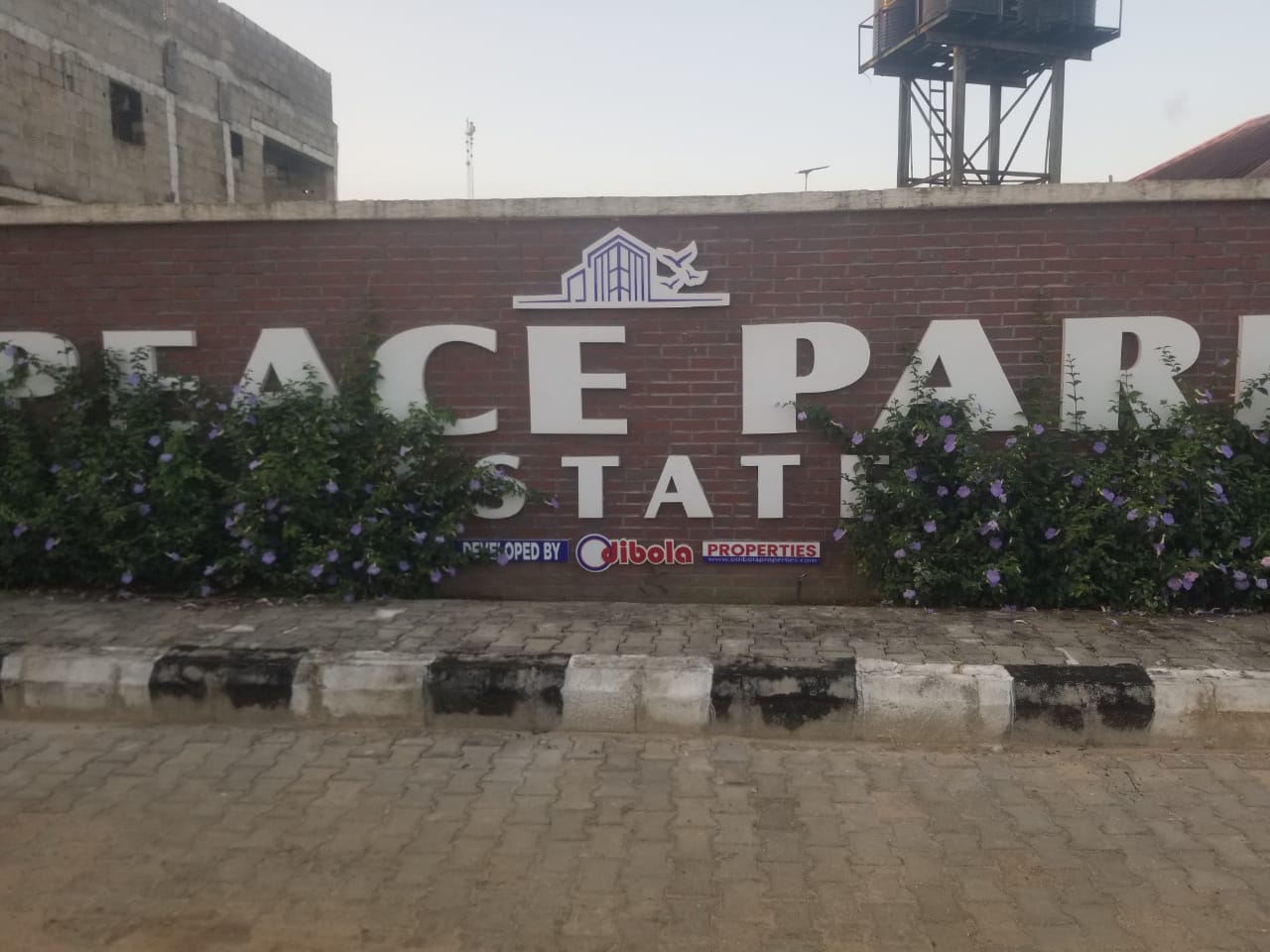
The Amaewhule family of mbodo Aluu in Ikwerre Local Government Area of Rivers State has cautioned members of the public against entering into any land transaction involving a disputed property known as “Ada Oro Fam Land,” located behind the OPM Church along Airport Road.
The family, through its legal counsel, Barrister Ndubuisi Agumagu, issued the warning amid an ongoing legal dispute over the ownership and control of the property, which is said to comprise more than 900 plots of land.
The matter is currently before the Isiokpo High Court of Rivers State in a suit numbered IHC/246/CS/2026, presided over by Justice Sobere Biambo.
The claimants in the suit include Chief Green Amaewhule and others, while Fabulous Amaewhule and Odibola Properties are listed among the respondents.
Counsel to the Amaewhule family, Barr Ndubuisi Agumagu, advised prospective land buyers and members of the public to exercise caution and refrain from purchasing any portion of the disputed property pending the determination of the case by the court.
According to the legal counsel, the property is a family estate belonging collectively to the Amaewhule family, and no individual member of the family has the authority to unilaterally dispose of portions of the land.
The counsel specifically maintained that Fabulous Amaewhule, one of the respondents in the suit, does not have the legitimate authority, according to the family’s position before the court, to sell portions of the disputed property.
The family further warned that anyone who proceeds to purchase land from the respondents while the matter remains before the court would be doing so at their own risk.
It stressed that such buyers could potentially lose their investments should the court eventually deliver judgment against the validity of the transactions.
The legal team said the warning became necessary to prevent unsuspecting members of the public from committing their resources to a property whose ownership and right of disposition are currently the subject of judicial determination.
The family also urged prospective investors, developers and land buyers to conduct proper legal inquiries and obtain independent verification of the status of the property before committing funds to any transaction relating to it.
The Amaewhule family said its position was intended to protect members of the public from possible financial losses and further legal complications while the case remains sub judice, stressing that interested parties should await the final determination of the court.
Akujobi Amadi
-

 Niger Delta10 hours ago
Diri Restates Stance On Lagos-Calabar Coastal Highway
-

 Niger Delta10 hours ago
C’River, NUJ Pay Tribute To Late Guardian Editor
-

 News11 hours ago
NDLEA Recovers Tons Of Illicit Drug Consignments In Nine States
-

 Opinion9 hours ago
Checking Voter Apathy In Nigeria’s Electoral Process
-

 Sports7 hours ago
Nigerian Trio Target Titles At PFL Africa Finals
-

 Education7 hours ago
FCE Yola Graduates 3,555 Teachers , Seeks Upgrade to University
-

 Politics7 hours ago
2027: DICKSON’S EX-ALLY VOWS TO WORK AGAINST NDC INTEREST IN BAYELSA
-

 Politics7 hours ago
2027: GROUP PLEDGES 40,000 SUPPORTERS FOR COALITION CANDIDATES IN RIVERS