
Politics
Women In Politics: Removing All The Barriers

This is a paper presented by Deborah Effiong at a workshop for “Women in Politics” in Port Harcourt, the Rivers State capital.
Women’s participation in politics has been identified as a key strategy to accelerate development and empowerment in any country or region. It is therefore not a surprise that the last decade has witnessed various attempts by different countries around the world to tackle the under representation of women in politics.
Women’s participation in politics involves a wide range of actions and strategies which include voter and civic education, lobbying and negotiation skills, media engagements, violence management, leadership training, fundraising and public life skills training.
Prior to now, the role of women in politics was often that of praise- singers, fundraisers, party supporters and mobilisers. The unfavourable political terrain characterised by thuggery, money politics and entrenched patriarchial attitudes have served as a basis for discouragement of many women from participating in politics.
Party programmes and manifestos do not articulate women’s issues, rather women’s wing in political parties are crated without constitutional backing. It is expected that as the political space is getting liberalised due to sensitisation and awareness of female candidature, women’s issues will be given constitutional support by the various political parties.
Women’s political and electoral experiences from 1999 – till date
Research has shown that from 1999 till date women’s political experiences have been distressing. At all levels of Nigeria’s three tiers of government (Executive, Legislature, Judiciary) the issue of women marginalisation and discrimination have continued to persist. In many situations portfolios given to women often reflect the conservative definitions of women’s roles in society. Women are often assigned to Ministry of Women Affairs, Information, Culture/Tourism and Education, none of which can be described as very strategic ministries in terms of their level of influence within the government.
Women’s electoral experiences are nothing different and in many cases wose off. Records show that in 1999 in the South-South 2 women were elected into the Federal House and the entire South-South no woman won elections into the state Houses of assemblies.
2003 – Federal House – 5, House of Assembly (South – South) – 4
2007 – Federal House – 3, House of Assembly (South – South) – 15
The implication of these figures is that women have less than 30% of the seats going by the 1995 Beijing Declaration which states that women should occupy at least 30% elective and appointive positions.
The situation is not different at the Local Government Council elections. Feedback from female aspirants and candidates after previous elections revealed a situation where women have become victims of structural and cultural limitations. Women narrated that the politics of money and godfatherism excluded and deprived them of their fundamental human rights of voting and to be voted for.
Women also asserted that lack of adequate mechanisms to monitor electoral outcomes and protect women’s mandate formed part of the major challenges for women in securing victory at the polls.
At the level of the United Nations there is a growing women’s global activism for increased representation of women in politics. The assessment made by United Nations Development Project (UNDP) at the last Beijing +10 review it was reported that women are still greatly under represented in political positions around the world.
To participate in the political process, women need to enjoy the full exercise of their civil and political rights. The achievement of equality between men and women is an integral part of the process leading to a genuine democracy.
Recommendations
It is clear that some of the barriers which women face in connection with their participation and gender balanced representation in political and public life are due to the structure and functioning of electoral systems and political institutions, mainly political parties. It is therefore recommended that;
*There should be urgent reforms in our electoral and political institutions aimed at promoting and supporting special measures to empower women to participate in politics.
*Government should promote public campaigns with targeted messages to raise public awareness on the importance of a gender balanced representation in decision making.
* Government should ensure the domestication of CEDAW into our legal system.
* Political parties should adopt and promote a gender balance policy within the party and the party’s structures.
* Political parties should review their selection and nomination procedures in order to remove all barriers that directly or indirectly discriminate against it.
In conclusion, International instruments such as the Beijing Platform for Action, CEDAW, Optional Protocol and the National Gender Policy should be maximised and strategies to implement them such as advocacy, policy reforms, special measures and affirmative actions should be explored.
Deborah Effiong is of the Gender and Development Action (GADA), Rivers State Ministry of Women Affairs.
Deborah Effiong

Politics
Alleged Coup: Protests Rock N’Assembly As Detained Officers’ Children, Wives Demand Justice

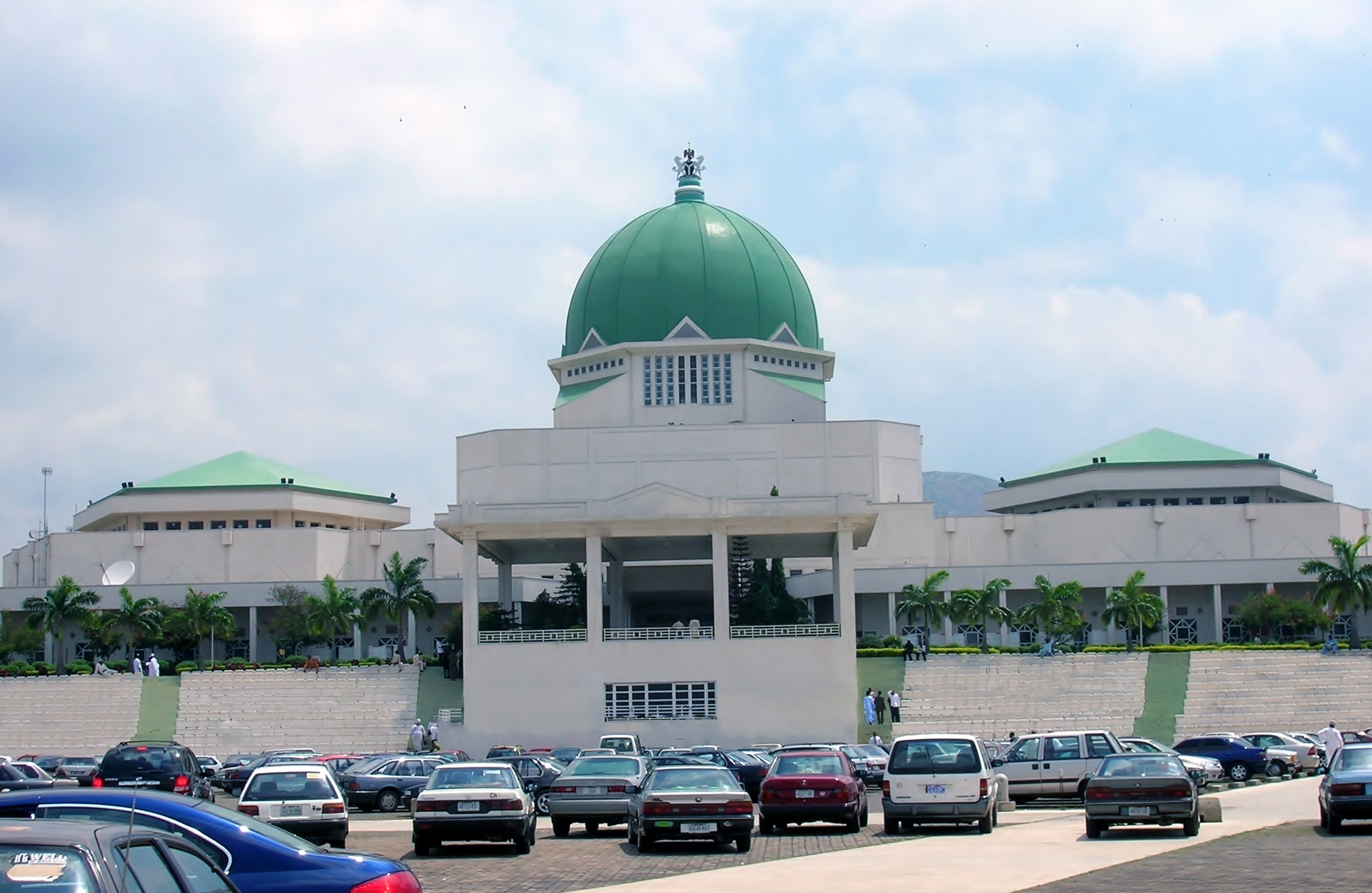
Scores of children and wives of military officers detained over an alleged coup plot yesterday staged a peaceful protest at the National Assembly, demanding a speedy trial and the release of the accused officials.
The protesters who gathered at the entrance of the National Assembly complex, moved in a slow procession while clutching placards with inscriptions such as “Don’t Kill Our Daddies,” “Detention Without Trial is Injustice,” and “Six Months of Torture: Enough Is Enough.”
Amid tears and trembling voices, the children appealed for justice and access to their detained fathers, many of whom they said they had not seen for months.
The appeal was made during a press briefing in Abuja attended by no fewer than 20 wives and several children of the detained officers, including a two-month-old baby.
The families were accompanied by human rights lawyer, Deji Adeyanju and activist Omoyele Sowore.
At the briefing, the families lamented that the officers had been held for over 160 days without trial or contact with their relatives, describing the situation as a violation of their fundamental rights.
Speaking on behalf of the families, Memuna Bashiru said the prolonged detention had thrown their households into uncertainty and emotional distress, noting that while allegations had been widely publicised, families remained in the dark about the fate of their loved ones.
The arrest of the indicted officers was first announced on October 4, 2025, by the then Director of Defense Information, Brigadier General Tukur Gusau, who disclosed that 16 officers were taken into custody for alleged breaches of military regulations and acts of indiscipline.
However, an interim investigation later suggested the existence of a clandestine network of officers, allegedly coordinated by a senior Army officer, which had begun preliminary planning for a coup.
According to the report, the alleged plot involved surveillance of key national assets, including the Presidential Villa, Armed Forces Complex, Niger Barracks in Abuja, and major international airports, with October 25, 2025, cited as the planned date for the operation.
Those reportedly in custody include Brig Gen M. A. Sadiq, Col M. A. Maaji, Lt Col S. Bappah, Lt Col A. A. Hayatu, Lt Col P. Dangnap, Lt Col M. Almakura, Maj A. J. Ibrahim, Maj M. M. Jiddah, Maj M. A. Usman, Maj D. Yusuf, Capt I. Bello, Capt A. A. Yusuf, Lt S. S. Felix, Lt Cdr D. B. Abdullahi, Sqn Ldr S. B. Adamu and Maj I. Dauda.
The alleged plot, according to findings, targeted senior government officials, including President Tinubu and Vice President Kashim Shettima.

In a statement issued yesterday, the party’s National Publicity Secretary, Mr Felix Morka, said the exercise would take place in all wards and designated centres nationwide.
He called on existing members to update their records, while encouraging new entrants to join the party through the digital platform.
“As the electronic membership registration exercise resumes in all wards and designated locations nationwide, we urge existing members to validate their membership while new members are encouraged to register and join the progressive family,” Mr Morka said.
According to him, eligibility for registration is limited to individuals aged 18 and above who possess a valid National Identification Number (NIN).
The party said the initiative is part of efforts to modernise its operations by transitioning to a digital database that would enhance record accuracy and accessibility.
Mr Morka noted that the e-registration would “digitise the party’s membership register, ensure the integrity of records, and enhance efficient access to membership data for planning and management decisions.”
He added that the move is also aimed at promoting internal democracy within the party and strengthening its commitment to democratic innovation.
The APC had previously introduced electronic registration as part of broader reforms to streamline its membership system and improve organisational efficiency.
-
 Editorial2 days ago
Domesticate FG’s Exit Benefit Scheme
-

 News2 days ago
RSU Unveils Five-Year Strategic Dev Plan …Calls For Collective Commitment To Institutional Excellence
-

 News2 days ago
DHQ Confirms Deaths Of Terrorists, Soldiers In Borno Attack
-

 News2 days ago
Tinubu Commissions Bayelsa Gas Turbine, Other Projects Today
-
Rivers2 days ago
Dep Gov Seeks Collaboration, Transparency Between RIVCHPP, PHCMB
-
Business2 days ago
Niger Delta Investment Summit Targets $5bn Inflows, 500,000 Jobs
-
Nation2 days ago
Rumuji Youth Leader Condemns Protest, Disowns Alleged Government Empowerment Claim
-

 Nation2 days ago
Haniel Jack Foundation Awards Five Rivers Indigenes Scholarship