
Nation
THE STATES


Benue
A former state commissioner in Plateau State, Amb. Yakubu Jang, has admonished Berom people not to allow divisive tendencies to take control of them.
Jang gave the advice on Saturday during the maiden celebration of “Nzem Berom” Cultural Day in Makurdi, Benue.
Jang, who was the chairman of the occasion , is also a son of the immediate past, Governor of Plateau, Mr David Jang.
He said that there was power in unity, hence the need for all Berom people to stay united in order to achieve greater things for themselves.
Jang urged Berom youths to venture into technical education to be self reliant because white-collar jobs have
FCT
President Macky Sall of Senegal has thanked President Muhammadu Buhari for his intervention in The Gambian political crisis which led to the restoration of democracy in the country.
The Special Adviser on Media and Publicity to the President, Mr Femi Adesina, said in a statement in Abuja, last Saturday, that the Senegalese leader conveyed his gratitude to Buhari in a communication between them.
“Thank you again for your support in The Gambia. May Almighty Allah give you greater health and energy to conduct the destiny of Nigeria,’’ Sall said.
The Senegalese president described himself as Buhari’s “younger brother” and prayed that Allah would bestow good health and wisdom on him to lead.
Mr Yahya Jammeh had refused to accept his defeat in an election in December, 2016, and hand over power to Mr Adama Barrow, the winner, as President of The Gambia.
Jigawa
Rep. Ibrahim Abdullahi (APC Dutse/Kiyawa Federal Constituency) in Jigawa State, has distributed 500 bags fo fertilizers, seeds and pesticides to 100 farmers in his consistency.
Abdullahi’s Personal Assistant, Alhaji Abubukar AbdusSalam, confirmed this in Dutse on Sunday.
AbdusSalam said the farmers were drawn from Dutse and Kiyawa local government areas of the state, adding that 50 farmers were selected from each of the local government councils.
The personal assistant said that each of the beneficiaries was given two bags of fertilizer, a bag of groundnut seed, a bag of millet seed and 50 kg of pesticide.
Kano
No fewer than 5,000 people, who contravened the Kano State Environmental Sanitation Law, have so far been prosecuted, according to the State Commissioner for Environment Dr Ali Makoda.
The alleged violators were arrested and tried by the state’s mobile courts between January and March.
Makoda, who was represented by the Permanent Secretary in the ministry, Alhaji Sagir Wali, told newsmen on Saturday, shortly after monitoring the monthly sanitation exercise in eight local governments areas.
According to him, the violators were arrested along the major roads in the city during sanitation.
“We were able to arrest 5, 000 defaulters and they were charged to our mobile courts which imposed some fines on them”, he said.
Lagos
The Federal Government last weekend said it was ready to support states to generate ‘captive power’ as a permanent solution to the problem of electricity in the country.
The Minister of Works, Power and Housing, Mr Babatunde Fashola, gave the assurance when he paid a courtesy visit on Governor Akinwunmi Ambode of Lagos State in Ikeja.
It is reported that a captive power plant is a facility that is dedicated to providing a localised source of power to energy users.
Such users are typically industrial facilities or large offices.
The plants may operate in grid parallel mode with the ability to export surplus power to the local electricity distribution network.
Nasarawa
The Chairman, Miyetti Allah Cattle Breeders Association of Nigeria, Nasarawa state chapter, Alhaji Mohammed Hussaini, has advised herdsmen to avoid destruction of farm produce and grazing on farmlands to avert clashes with farmers.
Hussaini made the call in Akwanga while addressing newsmen on Sunday on the outcome of the meeting the association held with Fulani community of Nasarawa North senatorial district of the state, comprising Nasarawa Eggon, Akwanga and Wamba in Akwanga local government area.
He said the meeting was to propagate peace and appeal to herdsmen that engaged in destruction of farm produce and grazing on farmland to desist from such act in the interest of peace and development of the state and the nation at large.
“The role of this association is to preach peace and unity, not only to the Fulani community in the state but also to Nigerians at large as no nation or society can develop in an atmosphere of rancour and confusion.
Niger
The Speaker of the Niger State House of Assembly, Alhaji Ahmed Marafa, has called on youths to acquire relevant skills that would enable them contribute their quota to nation’s building.
Marafa made the call on Saturday, when the state officials of the Change Organisation, a Non Governmental Organisation, paid him a courtesy visit in Minna.
He also informed the organisation that the legislature was prepared to enact laws that would help the teeming youths in the state realise their full potentials.
The Speaker said that the present administration will not relent on its efforts to ensure the completion of the Baro Port given the employment opportunities it will create.
Ogun
The Minister of Power, Works and Housing, Mr Babatunde Fashola has commended the Ogun state government on the quality of the newly constructed and rehabilitated roads across the state.
Fashola gave the commendation after touring some roads constructed by Governor Ibikunle Amosun administration in some parts of the state on Saturday.
The Minister, who expressed satisfaction with the quality of roads and flyovers inspected , commended the governor for a job well done in infrastructural development.
He assured that President Muhammadu Buhari would adequately reimburse the state and every other state in the same category.
Ondo
Ondo State Governor, Oluwarotimi Akeredolu, has solicited the assistance of the African Development Bank (AfDB) in boosting commercial agriculture in the state.
Akeredolu made the call when the AfDB President, Dr Akinwumi Adesina, visited him on Sunday in Akure.
The governor explained that the continental bank’s support was necessary to facilitate the cultivation of high quality cocoa, palm oil and cassava in the state.
He urged the AfDB president to make the bank’s presence felt at the grassroots through agriculture for the rapid development of the state.
Osun
An auto crash which occurred at Asejire end of Osun on Friday, killed five persons while others sustained severe injuries.
Among the dead was a journalist, Nathaniel Abimbola, working with the Osun State Broadcasting Corporation (OSBC) in Osogbo. His friends said he was aged 48. He marked his birthday on 26 of February this year.
Abimbola, a graduate of University of Ibadan was attached to the State Assembly and had been on the beat for 10 years.
Four others who died, alongside Abimbola, were all members of Celestial Church of Christ (CCC) Ayetoro Osogbo.
It was gathered that the entire occupants of the ill fated 18 seater bus were heading to Imeko headquarters of the church for a retreat.
Plateau
Pastor Victor Asemah of Shepherd House International Assembly, Jos has said that God’s blessings to Christians would become “worthless”, if those so blessed did not help neighbours in need.
“Those in need are always among us; we see them everyday and know their sufferings. If you are blessed, you must assist them otherwise your blessings are useless and worthless,” Asemah said in a sermon on Sunday, in Jos.
The Pastor, who spoke on the theme, “Supernatural Harvest for Progress’’, challenged Christians to assist the less privileged in the society, “especially the orphans, widows and others in difficulty”.
“When you help others, God increases your blessings. When we give to the needy, we have more access to his supernatural harvest,’’ he said.
Asemah described supernatural harvest as “having access to blessings outside the natural source and beyond ordinary imagination”.
“Such blessings are inexhaustible because of God’s divine connection to his children.
Sokoto
The death toll as a result of the meningitis epidemic in Sokoto State has now risen to 21.
The State Health Commissioner, Dr Balarabe Kakale, confirmed this in an interview with our correspondent in Sokoto on Sunday, as he gave an update on the state of high alert declared by the ministry since 20th March.
The deaths were recorded in the seven local governments of Kebbe, Bodinga, Rabah, Wamakko, Gada, Dange/Shuni and Tureta, mostly affected by the meningitis outbreak.
Kakale said:” the state government had since Monday deployed no fewer than fifteen medical teams, comprising of over one hundred and fifty medical personnel.
“ They were deployed across the 23 local governments of the state, fully equipped with ambulances and provided with free drugs,as well as medicament.
“ The emergency response teams were conducting house to house search, definition and management, both at home and the hospitals.



As the world marked the 2026 International Day of the Girl Child on Sunday, October 11, 2026, a non-governmental organisation, Stand Up for Women Society (SWS) has intensified its campaign against child marriage, urging schoolgirls to prioritise education, protect their rights and develop skills for a better future.
The organisation joined the global observance of the day under the theme, “International Day of the Girl Child: End Child Marriage and Invest in Girls’ Rights,” with a sensitisation programme at Government Girls Secondary School, Oromenike, D-Line, Port Harcourt, Rivers State.
Led by its Vice Chairperson, Daba Benebo, the group engaged the students in discussions on the dangers of early marriage, teenage pregnancy, sexual abuse and other challenges that threaten the education, safety and development of the girl child.
Speaking during the programme, Benebo urged the students to reject early marriage and remain focused on their studies, stressing that education would empower them to make informed decisions about their lives and future.
She cautioned the girls against allowing anyone to deprive them of their right to education and dignity, advising them to report cases of harassment, abuse and other violations of their rights to the appropriate authorities.
Benebo assured the students that SWS remained available to support them whenever they encountered violations of their rights.
She also encouraged them to maintain discipline and responsible conduct while avoiding behaviours that could expose them to negative influences and jeopardise their future.
Beyond formal education, the SWS vice chairperson urged the students to acquire vocational skills that could provide additional opportunities for economic independence and help them navigate future challenges.
The sensitisation programme, enlivened by singing, dancing and to share their views and experiences on issues affecting the girl child interactive sessions, provided an opportunity for the students to share their views and experiences on issues affecting the girl child.
One of the major issues raised during the discussion was the appropriate age for marriage. While some participants maintained that 18 years was the constitutionally approved age, the discussion highlighted the need to consider not only age but also the maturity, preparedness and responsibilities associated with marriage.
The speaker stressed that marriage required adequate mental and emotional preparation, as well as the capacity to shoulder its responsibilities.
She therefore advised the students to concentrate on acquiring a sound education before considering marriage, noting that education would equip them with the knowledge and skills needed to make responsible decisions and manage family life.
The issue of teenage pregnancy also featured prominently during the question-and-answer session.
In addressing the subject, the speaker explained that pregnancy could occur even at the age of 12, using the example to underscore the vulnerability of young girls to the consequences of early sexual activity.
She advised the students to avoid sexual intercourse and prioritise their education, personal safety and future aspirations.
The discussion also examined the difficulties some girls encounter when living with hostile spouses, relatives or guardians.
Benebo encouraged the students to cultivate patience, humility and diligence, noting that these qualities could help them navigate difficult situations and build a brighter future.
However, she warned that patience and humility should never be interpreted as an obligation to endure violence, abuse or degrading treatment.
She urged girls experiencing hostile or abusive living conditions to seek help from their parents, trusted adults or appropriate support services rather than remain in environments that could expose them to physical or emotional trauma.
“When such happens, please return to your parents and engage in petty trade or learn a skill to support your education rather than stay in a hostile environment,” Benebo stressed.
The programme also underscored the importance of protecting girls from early marriage and other harmful practices that can disrupt their education, compromise their well-being and limit their opportunities in life.
It also reinforced the need for families, schools, communities and relevant organisations to work together to ensure that girls have access to education, vocational training, protection and the support they need to realise their potential.
For SWS, the message was clear: empowering the girl child begins with protecting her rights, investing in her education and equipping her with the confidence and skills to make informed choices about her future.
Stories by Kevin Nengia
The Egberipapa Foundation has unveiled a mass transit scheme aimed at easing transportation difficulties and improving connectivity among communities in the three Kalabari local government areas of Asari-Toru, Degema and Akuku-Toru in Rivers State.
The initiative, established by former Caretaker Committee Chairman of Akuku-Toru Local Government Council, High Chief Sobomabo Jackrich, popularly known as Egberipapa, is designed to make transportation more accessible and affordable for residents across the Kalabari area.
The scheme was launched on Monday, October 12, 2026, and is expected to address longstanding transportation challenges confronting residents, particularly those in riverine and hard-to-reach communities.
Communities expected to benefit from the initiative include Krakrama, Minama, Angulama, Sangama, Omekwe-Tariama and Omekwe-Ama.
The project is expected to ease movement within and beyond the Central Group area, while providing residents with a more convenient means of transportation for their daily activities.
For decades, transportation difficulties have posed significant challenges to several Kalabari communities, making movement between settlements both cumbersome and expensive. These challenges have also affected commercial activities, social interactions and access to essential services.
The introduction of the mass transit scheme is therefore expected to provide relief to residents, strengthen inter-community connections and stimulate economic activities across the benefiting communities.
Beyond improving mobility, the initiative could contribute to community development by facilitating the movement of people and goods, supporting local businesses and enhancing social and economic interactions within the Kalabari area.
As the scheme gets underway, attention will be focused on its implementation, accessibility and sustainability, as well as its capacity to deliver lasting transportation benefits to the target communities.
The initiative represents a potentially significant step towards addressing transportation challenges and promoting grassroots development across the Kalabari Kingdom.
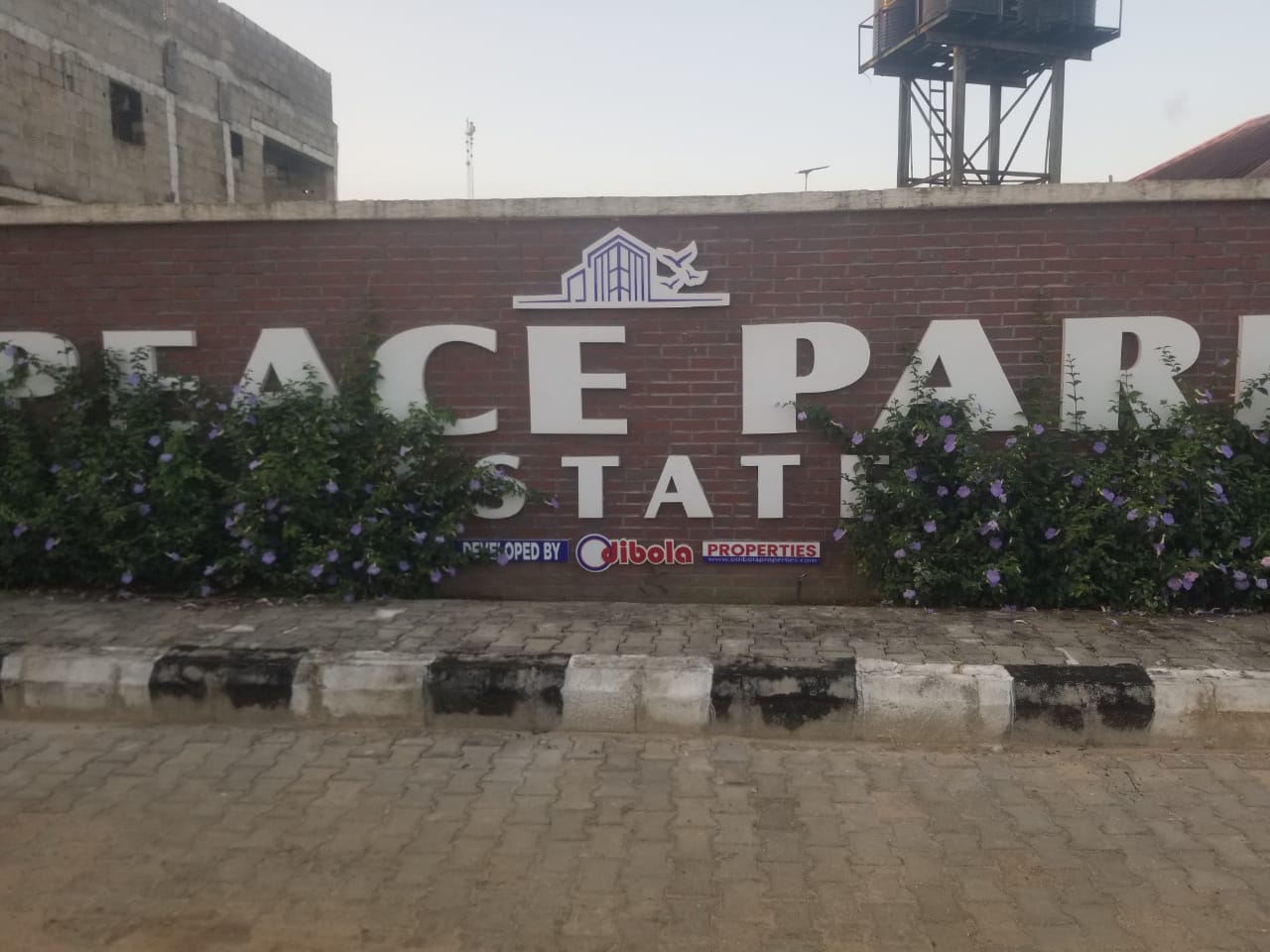
The Amaewhule family of mbodo Aluu in Ikwerre Local Government Area of Rivers State has cautioned members of the public against entering into any land transaction involving a disputed property known as “Ada Oro Fam Land,” located behind the OPM Church along Airport Road.
The family, through its legal counsel, Barrister Ndubuisi Agumagu, issued the warning amid an ongoing legal dispute over the ownership and control of the property, which is said to comprise more than 900 plots of land.
The matter is currently before the Isiokpo High Court of Rivers State in a suit numbered IHC/246/CS/2026, presided over by Justice Sobere Biambo.
The claimants in the suit include Chief Green Amaewhule and others, while Fabulous Amaewhule and Odibola Properties are listed among the respondents.
Counsel to the Amaewhule family, Barr Ndubuisi Agumagu, advised prospective land buyers and members of the public to exercise caution and refrain from purchasing any portion of the disputed property pending the determination of the case by the court.
According to the legal counsel, the property is a family estate belonging collectively to the Amaewhule family, and no individual member of the family has the authority to unilaterally dispose of portions of the land.
The counsel specifically maintained that Fabulous Amaewhule, one of the respondents in the suit, does not have the legitimate authority, according to the family’s position before the court, to sell portions of the disputed property.
The family further warned that anyone who proceeds to purchase land from the respondents while the matter remains before the court would be doing so at their own risk.
It stressed that such buyers could potentially lose their investments should the court eventually deliver judgment against the validity of the transactions.
The legal team said the warning became necessary to prevent unsuspecting members of the public from committing their resources to a property whose ownership and right of disposition are currently the subject of judicial determination.
The family also urged prospective investors, developers and land buyers to conduct proper legal inquiries and obtain independent verification of the status of the property before committing funds to any transaction relating to it.
The Amaewhule family said its position was intended to protect members of the public from possible financial losses and further legal complications while the case remains sub judice, stressing that interested parties should await the final determination of the court.
Akujobi Amadi