
Nation
THE STATES

Ogun
Ogun State Government says it has concluded plans to establish mini power plants that will generate 47 megawatts of electricity at N7.2 billion in the first quarter of 2010.
Governor Gbenga Daniel made the announcement in Abeokuta, while receiving a Chinese delegation and officials of CSI Nimbo Electrical Company, a manufacturer of power plants.
Gov. Daniel said government had concluded arrangements to send 20 public servants, including technicians, engineers and administrators to China to acquire necessary skills in the assemblage and management of mini plants.
Gombe
Gombe State Judiciary said it has disposed-off 17, 153 civil and criminal cases while 2,733 were still pending in the state high and Area courts in the year under review.
The State Chief Judge, Mr Hakila Heman, who disclosed this during the celebration of the 2009/10 legal year in Gombe stated that a total of 19,886 cases were registered in the last legal year as against the preceding year where 19,380 cases were recorded in the state.
Justice Heman said that 2,723 cases were still pending in the state high courts and courts of Appeal Seasons were held in Gombe Dukku and Kaltungo respectively.
He also said that the yearning of establishing registry courts in the state had been taken care of as the state judiciary had obtained the license to establish courts that would oversee marriage contract agreements in the state.
Kaduna
Kaduna state government has denied claims that it is marginalising the Southern part of the state, describing statements credited to some indigenes of the area as “bizarre and mischievous.”
Addressing journalist on the issue, Deputy Governor, Patrick Ibrahim Yakowa said all the actions of Governor Namadi-Sambo, do not harbour sectional, primordial or parochial interests.
Yakowa said despite pledges to develop all sections and all sectors of the state, the government takes special interest in providing social amenities in the southern part of the state as a way of fulfilling promises made by the Governor during his campaigns for gubernatorial seat in 2007.
Bauchi
The ill-health of President Umaru Musa Yar’Adua, who is receiving treatment in far way Saudi Arabia, has taken a toll on the act of governance in Bauchi State as the Governor, Malam Isa Yuguda now shuttles between Abuja and Bauchi a development that has slowed down activities at the Government House over last couple of weeks, investigation has revealed.
The development, according to the investigation, was caused by the fact that Yuguda, like his Kebbi State counter part, is the son-in-law to the country’s first family, a situation that is already creating anxiety in the state capital.
While that is going on, investigations have revealed that some of the major projects embarked upon by the administration as soon as it came to power in 2007 including the Ningi Buna Road, Alkakri-Futuk Road as well as the State Secretariat (press centre) of the Nigeria Union of Journalists (NUJ) have all been abandoned.
Kwara
Kwara State Governor, Dr Bukola Saraki yesterday denied recent media reports that he was owing the sum of N8.4 billion being outstanding debt of three companies allegedly linked to him.
The governor, in a statement by his chief press secretary, Mr Mas’ud Adebimpe, described the claim as frivolous, mischievous and a calculated attempt to mislead the unsuspecting public and drag his name into the mud.
The governor was reacting to a paid advertorial sponsored by a group called Renaissance professionals in some national dailies of Monday and Tuesday December 7 and 8, 2009, respectively.
According to the governor’s spokesperson, the group had alleged that Dr Saraki owned three companies Linkers Nigeria Limited, Skyview Properties and Joy Petroleum, which all enjoyed the controversial waivers from Intercontinental Bank Plc.
“To put the records straight, it is no longer news that Dr Saraki had resigned his appointment as a director in all companies where he had interests, including the two mentioned in the paid advertorials Linkers Nigeria Limited and Skyview Properties Limited just as he is not involved in the day-to-day operations of the two companies as portrayed by the faceless group.
“Neither the governor nor any member of his family was at any time whatsoever a shareholder or director of Joy Petroleum Limited,” the statement said.
“As regards the other two companies, we wish to state that Linkers Nigeria Limited, which was alleged to be owing the sum of N1.89 billion, has paid N1.7bn, which amounted to over 90 per cent of the loan,” the statement explained.
“Regarding Skyview Properties, the purported loan was a “margin facility,” which gave the total control of the management of the said shares, for which the loan was secured to the bank in addition to the value of the shares, the company went ahead to pay N343 million.
FCT
Senate’s proposal to establish a joint monitoring board of the Economic and Financial Crimes Commission (EFCC) and the Independent Corrupt Practices and other related offences Commission (ICPC) to investigate allegations of corruption against the anti-graft bodies, received the disapproval of the EFCC chairman, Mrs Farida Waziri.
The monitoring board, which the Senate Committee on Drugs, Narcotics, Anti-Corruption and Financial Crimes, is proposing to include in its amendment of the EFCC an ICPC Acts, according to Senator Solo Akinyede, chairman Senate Committee, would comprise secretaries of both agencies.
But speaking at a session on Wednesday, where she defended EFCC’s 2010, N7.68bn budget, Naziri stated that while she was not against being monitored, she warned that care must be taken to ensure that the proposed body does not create additional problems for the fight against corruption.”
Ogun
A lecturer at the University of Agriculture Abeokuta (UNAAB), Prof Philips Adetiloye, has urged the Federal Government to deregulate the salaries of public servants alongside the planned deregulation of oil sector.
Making the call at a news conference in Abeokuta, Adetiloye said it would amount to “dishonesty” if the government did not review the salaries and wages of the workers alongside the oil deregulation policy.
He argued that the only antidote to corruption in the public service and institutions was the payment of justifiable wages and salaries to workers.
Borno
The federal government has been accused of paying lip service to the proposed reform of the Nigerian Police even as the insecurity of lives and properties in the nation has been hinged on the need to have a “new” police.
This was the view expressed at the workshop organised by a pro-human rights group, Cleen Foundation in Maiduguri where the federal government was advised to be more committed to the proposed reforms of the Nigeria Police as the only alternative to move the force from its conventional policing to scientific one.
At the workshop which was to enlighten policemen on issues bordering on human rights, the deputy-executive director of the foundation, Oluwakemi Okonyodo said government ought to be serious and committed to the reforms of the police.
Lagos
In its bid to ensure a clean and healthy environment, the Lagos State Government has signed a Memorandum of Understanding (MoU) with Konsadem Consortium to develop the 1st Modern Integrated Solid Waste Management System in Lagos.
The Integtrated Solid Waste Management site according to the governor, Mr Babatunde Raji Fashola (SAN), located in the Epe area of Lagos will be designed to accept a maximum 900 tons municipal waste daily.
Accordingly, the system to be established comprises of a material recovery facility where glass, plastics, paper and metal are processed for recycling.
In addition, a composting facility for the conversion of food scraps and green waste such as wood and foliage, into organic soil conditioners and a bale fill facility for storing all residual waste in an environmentally friendly manner.
Oyo
It was a weekend of sadness and agony in the camp of former Oyo State governor, Rasidi Ladoja as 19 persons believed to be his supporters perished along Ado-Awaye-Okeho road on their way to a funeral ceremony.
The victims included, former women leader of the ruling Peoples Democratic Party (PDP) Mrs Bose Adedigba, Hakeem Adokola, Tajudeen Afolabi, Toyin Adeyemi among others.
The former governor, devastated by the incident hurriedly returned home from a social outing and cancelled all forms of meetings and appointments in sympathy and condolence with the fallen aides.
Osun
Federal Government has mapped out a ten-year education plan as part of the commitment to restructuring and repositioning the educational sector in response to some identified challenges.
Speaking Saturday at the 37th Convocation of Obafemi Awolowo University, (OAU), Ile Ife, President Musa Yar’Adua, who was represented at the occasion by the Minister of Education, Dr. Sam Egwu, noted that the federal government will soon come out with strategies.
According to the president, the strategies which has been initiated was aimed at making the universities in the country globally competitive, and also make it more liberal and affordable.
Yar’Adua said in the short term, in addition to the increased statutory allocation of funds to education in the national budget, it has streamlined the educational Trust Fund to achieve enhanced focus on the education sector.



As the world marked the 2026 International Day of the Girl Child on Sunday, October 11, 2026, a non-governmental organisation, Stand Up for Women Society (SWS) has intensified its campaign against child marriage, urging schoolgirls to prioritise education, protect their rights and develop skills for a better future.
The organisation joined the global observance of the day under the theme, “International Day of the Girl Child: End Child Marriage and Invest in Girls’ Rights,” with a sensitisation programme at Government Girls Secondary School, Oromenike, D-Line, Port Harcourt, Rivers State.
Led by its Vice Chairperson, Daba Benebo, the group engaged the students in discussions on the dangers of early marriage, teenage pregnancy, sexual abuse and other challenges that threaten the education, safety and development of the girl child.
Speaking during the programme, Benebo urged the students to reject early marriage and remain focused on their studies, stressing that education would empower them to make informed decisions about their lives and future.
She cautioned the girls against allowing anyone to deprive them of their right to education and dignity, advising them to report cases of harassment, abuse and other violations of their rights to the appropriate authorities.
Benebo assured the students that SWS remained available to support them whenever they encountered violations of their rights.
She also encouraged them to maintain discipline and responsible conduct while avoiding behaviours that could expose them to negative influences and jeopardise their future.
Beyond formal education, the SWS vice chairperson urged the students to acquire vocational skills that could provide additional opportunities for economic independence and help them navigate future challenges.
The sensitisation programme, enlivened by singing, dancing and to share their views and experiences on issues affecting the girl child interactive sessions, provided an opportunity for the students to share their views and experiences on issues affecting the girl child.
One of the major issues raised during the discussion was the appropriate age for marriage. While some participants maintained that 18 years was the constitutionally approved age, the discussion highlighted the need to consider not only age but also the maturity, preparedness and responsibilities associated with marriage.
The speaker stressed that marriage required adequate mental and emotional preparation, as well as the capacity to shoulder its responsibilities.
She therefore advised the students to concentrate on acquiring a sound education before considering marriage, noting that education would equip them with the knowledge and skills needed to make responsible decisions and manage family life.
The issue of teenage pregnancy also featured prominently during the question-and-answer session.
In addressing the subject, the speaker explained that pregnancy could occur even at the age of 12, using the example to underscore the vulnerability of young girls to the consequences of early sexual activity.
She advised the students to avoid sexual intercourse and prioritise their education, personal safety and future aspirations.
The discussion also examined the difficulties some girls encounter when living with hostile spouses, relatives or guardians.
Benebo encouraged the students to cultivate patience, humility and diligence, noting that these qualities could help them navigate difficult situations and build a brighter future.
However, she warned that patience and humility should never be interpreted as an obligation to endure violence, abuse or degrading treatment.
She urged girls experiencing hostile or abusive living conditions to seek help from their parents, trusted adults or appropriate support services rather than remain in environments that could expose them to physical or emotional trauma.
“When such happens, please return to your parents and engage in petty trade or learn a skill to support your education rather than stay in a hostile environment,” Benebo stressed.
The programme also underscored the importance of protecting girls from early marriage and other harmful practices that can disrupt their education, compromise their well-being and limit their opportunities in life.
It also reinforced the need for families, schools, communities and relevant organisations to work together to ensure that girls have access to education, vocational training, protection and the support they need to realise their potential.
For SWS, the message was clear: empowering the girl child begins with protecting her rights, investing in her education and equipping her with the confidence and skills to make informed choices about her future.
Stories by Kevin Nengia
The Egberipapa Foundation has unveiled a mass transit scheme aimed at easing transportation difficulties and improving connectivity among communities in the three Kalabari local government areas of Asari-Toru, Degema and Akuku-Toru in Rivers State.
The initiative, established by former Caretaker Committee Chairman of Akuku-Toru Local Government Council, High Chief Sobomabo Jackrich, popularly known as Egberipapa, is designed to make transportation more accessible and affordable for residents across the Kalabari area.
The scheme was launched on Monday, October 12, 2026, and is expected to address longstanding transportation challenges confronting residents, particularly those in riverine and hard-to-reach communities.
Communities expected to benefit from the initiative include Krakrama, Minama, Angulama, Sangama, Omekwe-Tariama and Omekwe-Ama.
The project is expected to ease movement within and beyond the Central Group area, while providing residents with a more convenient means of transportation for their daily activities.
For decades, transportation difficulties have posed significant challenges to several Kalabari communities, making movement between settlements both cumbersome and expensive. These challenges have also affected commercial activities, social interactions and access to essential services.
The introduction of the mass transit scheme is therefore expected to provide relief to residents, strengthen inter-community connections and stimulate economic activities across the benefiting communities.
Beyond improving mobility, the initiative could contribute to community development by facilitating the movement of people and goods, supporting local businesses and enhancing social and economic interactions within the Kalabari area.
As the scheme gets underway, attention will be focused on its implementation, accessibility and sustainability, as well as its capacity to deliver lasting transportation benefits to the target communities.
The initiative represents a potentially significant step towards addressing transportation challenges and promoting grassroots development across the Kalabari Kingdom.
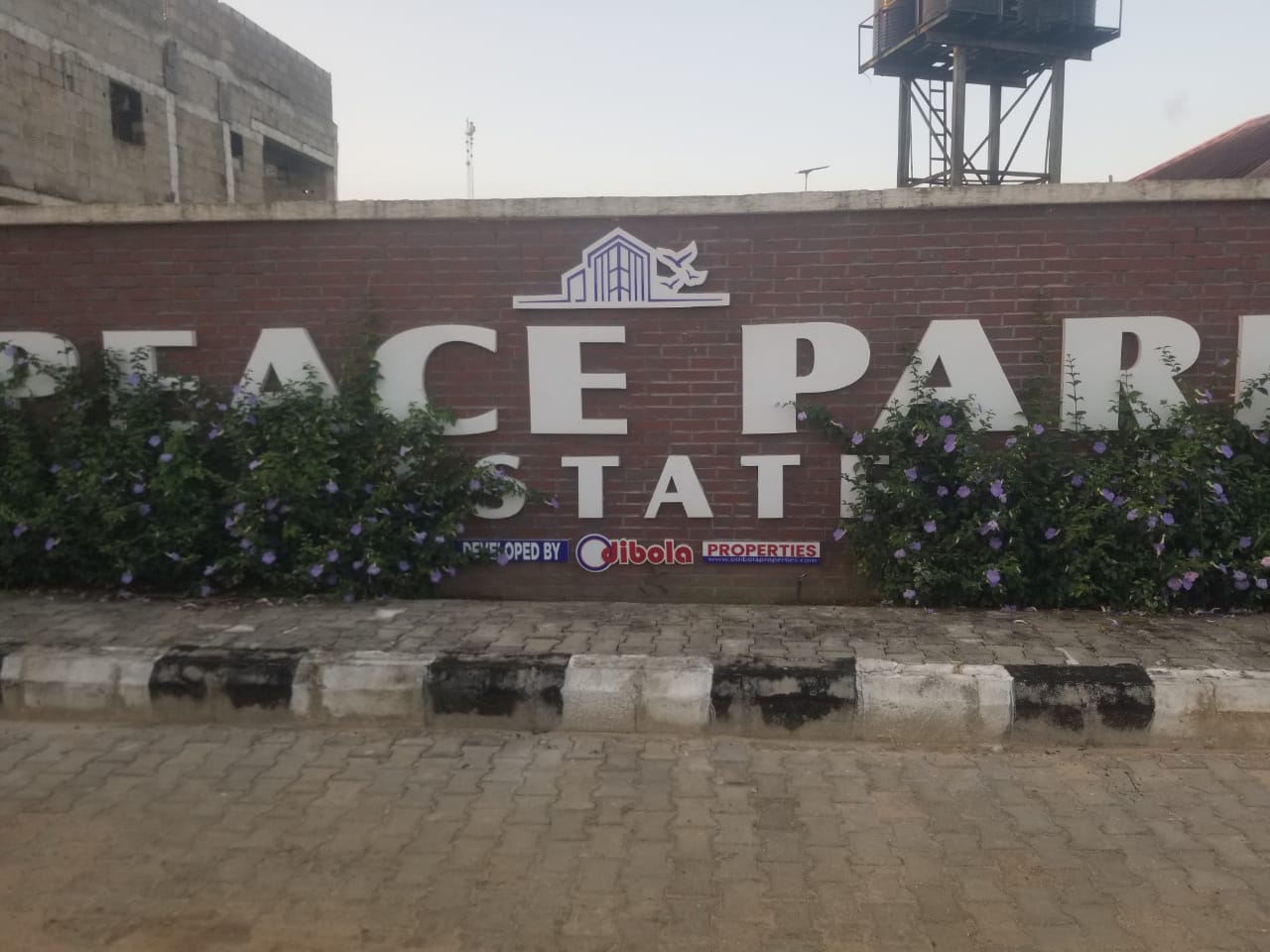
The Amaewhule family of mbodo Aluu in Ikwerre Local Government Area of Rivers State has cautioned members of the public against entering into any land transaction involving a disputed property known as “Ada Oro Fam Land,” located behind the OPM Church along Airport Road.
The family, through its legal counsel, Barrister Ndubuisi Agumagu, issued the warning amid an ongoing legal dispute over the ownership and control of the property, which is said to comprise more than 900 plots of land.
The matter is currently before the Isiokpo High Court of Rivers State in a suit numbered IHC/246/CS/2026, presided over by Justice Sobere Biambo.
The claimants in the suit include Chief Green Amaewhule and others, while Fabulous Amaewhule and Odibola Properties are listed among the respondents.
Counsel to the Amaewhule family, Barr Ndubuisi Agumagu, advised prospective land buyers and members of the public to exercise caution and refrain from purchasing any portion of the disputed property pending the determination of the case by the court.
According to the legal counsel, the property is a family estate belonging collectively to the Amaewhule family, and no individual member of the family has the authority to unilaterally dispose of portions of the land.
The counsel specifically maintained that Fabulous Amaewhule, one of the respondents in the suit, does not have the legitimate authority, according to the family’s position before the court, to sell portions of the disputed property.
The family further warned that anyone who proceeds to purchase land from the respondents while the matter remains before the court would be doing so at their own risk.
It stressed that such buyers could potentially lose their investments should the court eventually deliver judgment against the validity of the transactions.
The legal team said the warning became necessary to prevent unsuspecting members of the public from committing their resources to a property whose ownership and right of disposition are currently the subject of judicial determination.
The family also urged prospective investors, developers and land buyers to conduct proper legal inquiries and obtain independent verification of the status of the property before committing funds to any transaction relating to it.
The Amaewhule family said its position was intended to protect members of the public from possible financial losses and further legal complications while the case remains sub judice, stressing that interested parties should await the final determination of the court.
Akujobi Amadi
-

 News15 minutes ago
NDLEA Recovers Tons Of Illicit Drug Consignments In Nine States
-

 News16 minutes ago
Rivers Community Raises Alarm Over Alleged Security Invasion
-

 News15 minutes ago
Ebola: NCDC Approves N100,000 Weekly Payment For Contacts
-

 News16 minutes ago
2027 Elections: Police Begin Training Of 10,000 Officers
-

 News16 minutes ago
Creek Road Market ‘ll Be Completed By Jan 2027 -Fubara
-

 News14 minutes ago
IGP Proposes 200% Gratuity, Pension For Retired Officers
-
 News10 minutes ago
Bayelsa debunks Nembe-Brass bridge collapse rumour
-

 News10 minutes ago
Rivers CJ Declines NBA’s Request For Court-Free Days For Law Week Celebration