
Business
Group Pledges Stronger Partnerships For Food Security

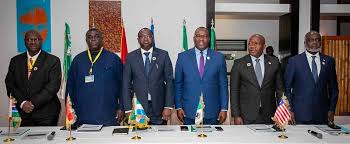
The River Basin Development Authorities (RBDAs) in Nigeria have pledged to boost the Federal Government’s food security efforts by forming stronger partnerships and adopting modern agricultural technologies.
The representative of RBDAs, Alhaji Abubakar Malam, who spoke on behalf of the boards and management teams at the close of a two-day retreat in Abuja, recently, acknowledged the numerous challenges facing the authorities.
He noted the persistent issues of ageing infrastructure, extreme weather conditions, and insecurity that continue to hinder optimal productivity across their zones.
Malam, who is also the Managing Director of the Sokoto Rima River Basin Development Authority, noted the dilapidated state of facilities and outdated equipment that limit the full potential of the river basin authorities.
“Our facilities are obsolete, and climate change is exacerbating the situation with flooding, erosion, and erratic weather patterns.
“Yet, we remain undeterred. We are committed to innovating, adopting modern irrigation technologies, and shifting the narrative of the River Basins to a more sustainable and productive future”, he said.
Malam emphasised that these objectives cannot be achieved in isolation and stressed the importance of collaboration.
He noted, “We are committed to building strong partnerships, particularly with state governments, to ensure that local actions are aligned with national priorities.
“Collaboration is key to enhancing extension services, addressing community needs, and improving project outcomes”.
The Managing Director also assured stakeholders that the river basin authorities will continue to maintain open-door policies under the federal government’s partial commercialisation framework, which aims to encourage private sector investment.
“This framework is seen as an essential step in reviving Nigeria’s agricultural sector by providing opportunities for agribusiness development, rural economy revitalisation, and sustainable irrigation practices.
“In alignment with President Bola Tinubu’s Renewed Hope Agenda and the UN Sustainable Development Goals (SDGs), particularly Goals 2 (Zero Hunger), 6 (Clean Water and Sanitation), and 13 (Climate Action), the RBDAs are focusing on expanding irrigated farmlands, equipping farmers with modern agricultural techniques.
“Others are enhancing value chains to reduce food waste, boost production, and improve market access.
“These efforts are designed to increase food availability and contribute to the goal of achieving food security for the nation by 2027”, he stated.
The Joint Appointees Forum further called on development partners, private sector players, and other stakeholders to seize the emerging opportunities in Nigeria’s agriculture sector.
The forum highlighted the potential for collaboration in revitalising rural economies through sustainable irrigation and agribusiness development, which will ultimately support the government’s food security agenda.



Business
Jonathan, Diri, Others Laud Firm’s Milestone in Bayelsa …Says Project Will Drive Industrialisation, Create Jobs



-

 News2 days ago
RSG Targets Nine Million Residents in Mosquito Net Distribution Campaign
-

 Oil & Energy1 day ago
Aiyedatiwa Signs New Electricity Bill
-

 Maritime1 day ago
Marine Minister Commends President Tinubu On NPERA Bill Assent
-

 Oil & Energy1 day ago
NLNG Commissions Research And Innovation Centre In RSU
-

 News2 days ago
KenPoly Holds Eight Convocations, August 29
-

 News2 days ago
RSG Begins Another Phase of Projects Commissioning Today
-

 News2 days ago
RMAFC Completes Revenue Sharing Review, Proposes New Pay
-

 Maritime1 day ago
NAGAFF Petitions IGP Over Alleged Maritime Police Harassment