
Business
China Tasks Nigeria On Trade Imbalance

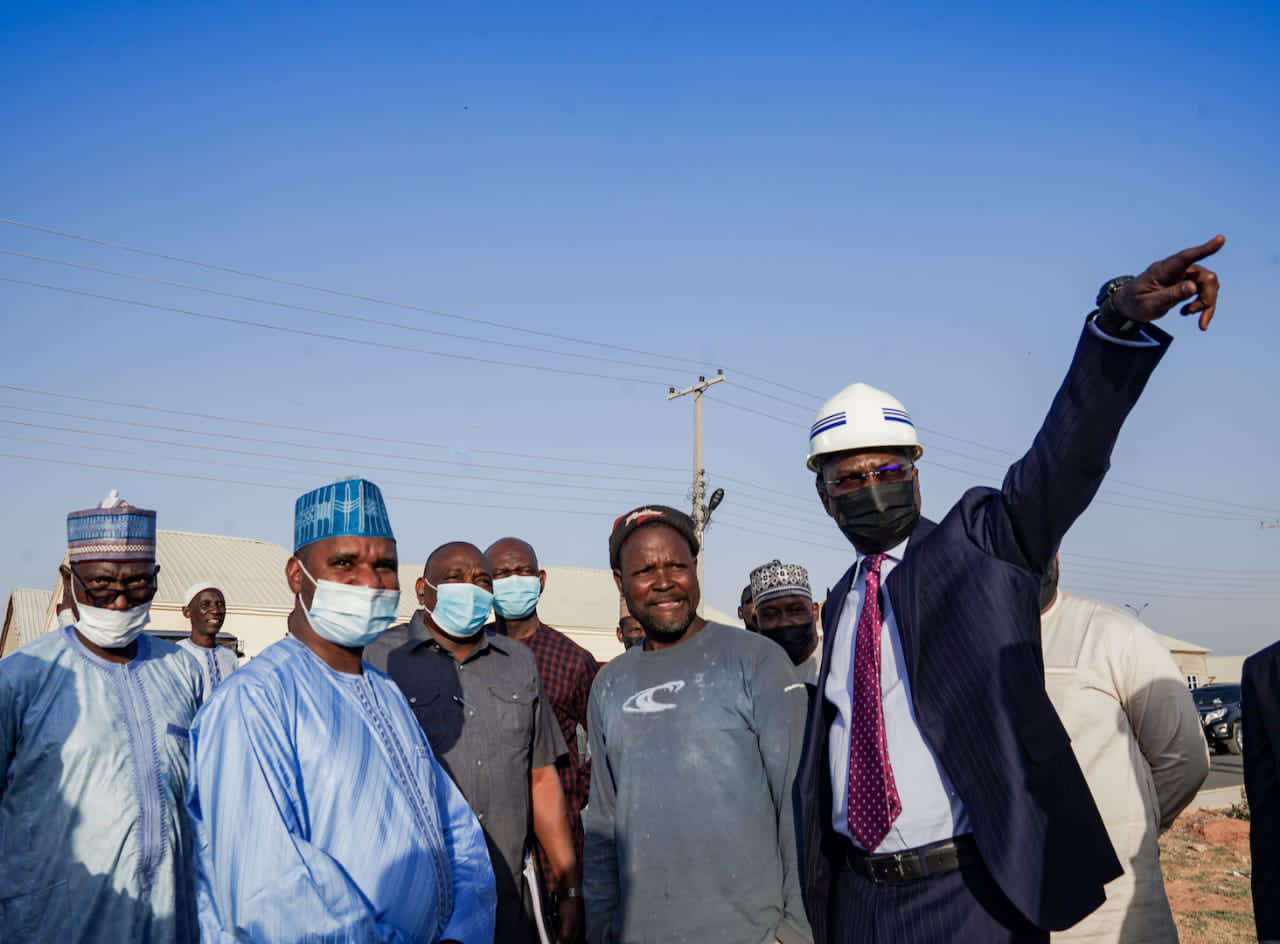
The Chairman, China Africa Business Council (CABC), Chief Dana Chen, has charged Nigeria on options to have balance of trade.
Chen, who gave the charge recently at the signing ceremony of a Memorandum of Understanding (MoU) between Lagos Chamber of Commerce and Industry (LCCI) and CABC in Lagos, noted that currently, Nigeria imports far more than it exports.
“Nigeria imports too much and needs to also export to achieve a balance of trade level. This would also make the Nigerian currency to be strong. There are lots of areas we can explore and strengthen our trade relationship
“We can invest more in logistics, supply chain and product manufacturing in Nigeria. We are also increasing investments in promoting the culture in Nigeria, because Nigeria’s creative industry is one of the biggest industries in the world where they can be developed to export to Asian countries and it offers huge potentials for Nigeria”, she added.
The CABC boss also announced that the Chinese Government is planning to invest over $300 billion in the African continent over the next three years.
According to her, the move is expected to increase the volume of trade between Africa and China from the current $30 billion.
“We are targeting the next three years to increase the trade volume between China and Africa from over $30 billion to $300 billion. This is over 10 times the size of the current trade between China and Africa. The trade increase is expected to benefit more African businesses” she stated.
Chen also unveiled plans to establish 10 medical and 10 housing projects for African countries, 10 poverty reduction, 10 agricultural projects, while also reaffirming China’s commitment to help Nigeria address its security concerns by providing military support programmes.
Earlier, the President LCCI, Dr. Michael Olawale-Cole, explained that the MoU would further improve bilateral and diplomatic relations between the two countries.
He stressing that the partnership is historic and significant to the LCCI as it would also strengthen its international trade relations with China.
Olawale-Cole noted that China-Nigeria relations, which dates back to the early 1970s, has progressed significantly in recent years, saying that Nigeria is one of China’s largest trading partners in Africa.
Over the years, China has been a strategic import hub for Nigerian manufacturers and trade activities between both nations, which he said, has seen dramatic improvement.
“According to the National Bureau of Statistic, the trade volume between both countries grew remarkably to $16 billion in 2019 from $7.4 billion in 2018. Bilateral relations between both nations have also expanded tremendously on growing bilateral trade and strategic cooperation till date”, he said.
He added that the Chinese have shown interest in the Nigerian market with their presence across various sectors of the economy, including financial technology, construction, retail and e-commerce and manufacturin



Business
Jonathan, Diri, Others Laud Firm’s Milestone in Bayelsa …Says Project Will Drive Industrialisation, Create Jobs



-

 News3 days ago
RSG Targets Nine Million Residents in Mosquito Net Distribution Campaign
-

 Oil & Energy3 days ago
Aiyedatiwa Signs New Electricity Bill
-

 Maritime3 days ago
Marine Minister Commends President Tinubu On NPERA Bill Assent
-

 Oil & Energy3 days ago
NLNG Commissions Research And Innovation Centre In RSU
-

 News3 days ago
KenPoly Holds Eight Convocations, August 29
-

 News3 days ago
RSG Begins Another Phase of Projects Commissioning Today
-

 News3 days ago
RMAFC Completes Revenue Sharing Review, Proposes New Pay
-

 Maritime3 days ago
NAGAFF Petitions IGP Over Alleged Maritime Police Harassment