Opinion
Incentives: Key to Police Morale
Quote: “When a police officer rejects ?50 million in bribes to rescue over 100 victims, integrity stops being a slogan and becomes a standard.”
It is important we first commend the Commander-in-Chief of the Armed Forces of Nigeria, President Bola Ahmed Tinubu, for his policies that are geared towards eradicating terrorism and banditry in the country. In recent times, his policy on national security which resulted in strategic partnership with United States of America and other countries, has paid off. In the same vein, we commend the Inspector General of Police, IGP Kayode Egbetokun, for implementing the security policies of President Bola Ahmed Tinubu which has culminated into effective, proactive and result-oriented policing. Also worthy of note is the effective oversight function of the Police Service Commission (PSC) led by DIG Hashimu Argungu (Rtd) in terms of adequate monitoring and supervision of personnel. The Nigeria Police Force has been plagued by negative perceptions in recent years, with some officers engaging in unprofessional conducts.
The Police high command and the Police Service Commission (PSC), in line with rules and regulations governing the Force, have being prompt in punishing erring officers. We have seen some officers dismissed from the service for gross misconduct while some others were punished depending on the gravity of their offense. While we commend the Police authority for their proactiveness in restoring discipline to the Force, they should also imbibe the culture of rewarding distinguished and outstanding Police officers. Very Senior Officers like the Assistant Inspector General of Police, AIG Auwal Musa Mohammed, in charge of Zone 6 Calabar, who ensured personnel and men in his zone comply and adhere fully to security tactics and instructions of IGP Egbekotun that translated to massive achievement over the weekend should be encouraged.
Meanwhile, the likes of Deputy Commissioner of Police, Zonal CID 6 Calabar, DCP Udu Moses Ogechi, PhD, who are working tirelessly to restore reputation to the Police Force should be rewarded to boost their morale, and inspire other officers to put in their best. DCP Ogechi is currently the Head of the Zonal Criminal Investigation Department (ZCID) in Zone 6, Calabar. He recently led a successful operation on Valentines Day (14th February) to dismantle a kidnapping and job-scam syndicate, rescuing over 100 victims. The syndicate had been exploiting Nigerians, particularly youths who are eager to relocate abroad, promising them fake job opportunities and visa.What is remarkable about DCP Ogechi’s achievement is not just the rescue of the victims, but also his refusal to be swayed by corruption. The syndicate attempted to bribe him with ?50 million, but he and his team rejected the offer, stood firm and demonstrated their commitment to professionalism and the rule of law.
This is commendable and deserving of recognition. DCP Ogechi’s patriotic action and his uncompromising stance especially at a time when the Police Force is working to regain public trust, deserves accolades and recognition by the police authorities. His bravery and integrity in the face of corruption are a shining example to other officers. DCP Ogechi’s sterling personality did not come as a surprise to us given his track record of excellent performance everywhere he goes. While serving in Rivers State as ACP Operations, he successfully flushed out cultists from the State. He led the team that apprehended notorious cultists led by Nwondi Onuigwe who were responsible for killing Police Officers, kidnapping and robbery of passengers along Emohua East West road. Recall that the Rivers State Government had placed millions of Naira bounty on Wordi.
It is on record that crime was reduced to its barest minimum during Ogechi’s reign as ACP Operations in Rivers State. His efforts earned him an award for excellent professionalism from the Nigeria Union of Journalists (NUJ), Rivers State Council. As Nigeria strives to strengthen its institutions and combat corruption, it is essential to acknowledge serving officers who have distinguished themselves. The reward system is a crucial aspect of motivating officers to perform their duties creditably. Rewarding deserving officers like DCP Ogechi will surely inspire other fine officers who are working tirelessly to rid our society of crimes and criminality.
By: Ike Wigodo
Continue Reading
Opinion
Confronting National Development In Chinese Style
Quote: “China’s rise was not a miracle. It was the result of deliberate planning, disciplined execution, and a national determination to make poverty reduction the foundation of national development.”
A short TikTok video by @ancientchinaforever recently offered a compelling summary of China’s remarkable transformation from one of the world’s poorest nations to a global economic powerhouse. In just a few minutes, it captured a lesson that developing countries like Nigeria cannot afford to ignore: meaningful development does not happen by chance. It is the product of vision, consistency, and a deliberate commitment to confronting poverty. In 1981, according to the World Bank, nearly 88 percent of China’s population lived in extreme poverty. The country was overwhelmingly rural, industrially weak, and lacking in modern infrastructure. Millions of people had limited access to quality healthcare, education, and basic social services. Yet China refused to accept poverty as its destiny. Its leaders made a strategic decision to treat poverty reduction as the starting point of national development.
Rather than relying on slogans or isolated welfare programmes, they created a coordinated system that mobilised government institutions at every level toward one overriding goal: improving the living conditions of ordinary citizens.
This was the turning point in China’s history. Poverty alleviation became a national mission. Clear targets were established, responsibilities were assigned to provincial and local governments, and officials were evaluated based on measurable results. Data was used to identify poor households, monitor progress, and adjust strategies where necessary.In effect, China built what may be described as a national development machine.The first major reforms focused on agriculture. Through the household responsibility system, farmers were given greater control over their land and allowed to sell surplus produce after meeting government quotas.
This policy created incentives for productivity and innovation. The results were dramatic. Agricultural output rose significantly, rural incomes increased, and millions were lifted out of poverty.With food security improving, China turned to industrialisation. The government established Special Economic Zones, most notably in Shenzhen, to attract foreign investment and promote export-driven manufacturing. What was once a small fishing community quickly transformed into one of the world’s leading industrial and technology hubs. Factories created millions of jobs, drawing workers from rural areas into expanding urban centres. China soon became the manufacturing capital of the world, producing electronics, textiles, machinery, and consumer goods for global markets.The revenue generated from industrial growth was reinvested in infrastructure and human development.
China understood that development requires more than factories. It demands modern infrastructure that connects people, goods, and markets. Massive investments were made in roads, railways, airports, seaports, electricity, and telecommunications.
Today, China’s high-speed rail system, modern cities, and efficient logistics networks stand as visible proof of decades of purposeful investment. Equally important was China’s commitment to education and healthcare.Schools were expanded, literacy improved, and vocational training equipped workers with the skills needed in a modern economy. Healthcare reforms reduced preventable diseases and protected families from being pushed deeper into poverty by medical costs.These investments ensured that economic growth translated into tangible improvements in living standards.
Another defining feature of China’s development model was policy continuity. Through successive Five-Year Plans, national priorities were clearly outlined and pursued over decades. While leaders changed, the core development agenda remained consistent. This stability encouraged investment, strengthened institutions, and allowed long-term projects to be completed. Unlike countries where each administration abandons the policies of its predecessor, China sustained a clear sense of direction.The results have been extraordinary. According to the World Bank, China has lifted more than 800 million people out of extreme poverty—the largest poverty reduction effort in human history. A broad middle class has emerged, and the country has become the world’s second-largest economy. Chinese companies such as Huawei Technologies and Alibaba Group now compete at the forefront of global innovation.
China’s journey has not been without challenges. Rapid industrialisation has contributed to environmental degradation, regional disparities, and demographic pressures. However, these challenges do not diminish the scale of its achievement. They underscore the complexity of transforming a nation of over one billion people. For Nigeria, China’s experience offers valuable lessons. First, poverty reduction must be treated as a strategic national priority rather than a campaign promise. Second, development requires long-term planning and policy continuity. Third, sustained investment in agriculture, infrastructure, education, and healthcare is essential. Fourth, institutions must be strengthened to ensure accountability and measurable outcomes. Finally, leadership must combine vision with disciplined execution. Nigeria is richly endowed with natural resources, entrepreneurial talent, and a youthful population.
What remains missing is a coherent and consistent development strategy that places national interest above politics. China’s transformation demonstrates that development is not a matter of luck. It is the outcome of clear priorities, effective institutions, and unwavering commitment. For countries still grappling with poverty and underdevelopment, China stands as compelling proof that when a nation confronts its challenges with strategic intent and collective discipline, extraordinary progress is possible.
Sylvia ThankGod-Amadi
Opinion
Workers’ Welfare Beyond May Day Rhetoric
Quote: Nigerian workers have endured years of hardship with remarkable resilience. What they need now is not ceremonial praise, but decisive policies that restore the dignity and value of labour”.
Beyond the colourful parades, speeches, and festivities that accompany Workers’ Day celebrations lies a sobering reality: Nigerian workers are under immense pressure. For many, May Day has become less a celebration of labour and more a reminder of the widening gap between official promises and everyday hardship. Across the country, workers are struggling with rising living costs, insecurity, and exploitative employment practices. These challenges directly affect how Nigerians feed their families, commute to work, and plan for the future. If left unresolved, they threaten both workers’ welfare and the nation’s economic stability. One of the biggest burdens facing workers today is the soaring cost of petrol. Since the deregulation of the petroleum sector, fuel prices have become highly unstable. At filling stations, prices can change within days, leaving commuters and businesses uncertain about what to expect.
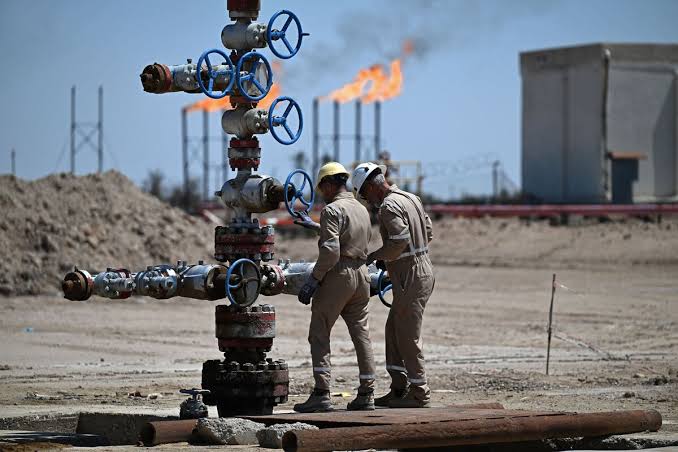
For a country that is one of the world’s major oil producers, this situation is both frustrating and ironic. Years of neglect in the refining sector have left Nigeria dependent on imported petroleum products and exposed to global price shocks. The consequences are severe. Transport fares have risen sharply, consuming a large portion of workers’ salaries. After paying for transportation, many workers have little left for food, school fees, healthcare, and rent. Government must therefore take urgent steps to cushion the impact. Policies such as selling crude oil to local refineries in naira and ensuring greater price stability could help lower the cost of refined products. Temporary relief measures, transparently managed, may also provide short-term support while deeper reforms are implemented. Equally troubling is the nation’s worsening security situation.
In many communities, workers can no longer engage in farming or small-scale business activities because of kidnapping, banditry, and violent attacks. This has led to abandoned farmlands, reduced food production, and increasing hunger. Security is not only a governance concern; it is an economic necessity. Without safety, productivity declines, investment suffers, and workers sink deeper into poverty.bRecent comments by President Bola Ahmed Tinubu suggesting that political actors may be sponsoring insecurity have heightened public expectations. Nigerians want swift and decisive action against those responsible. Restoring security must be treated as a national emergency. Another issue dominating labour discussions is the call for an upward review of the national minimum wage. During this year’s Workers’ Day celebration, the President of the Trade Union Congress of Nigeria, Festus Osifo, indicated that labour unions may begin negotiations for a wage increase by July 2026.
The demand is understandable. However, salary increases alone cannot solve workers’ problems if inflation continues to erode purchasing power. The real issue is not merely how much workers earn, but what their earnings can buy. Meaningful improvement requires broader economic reforms. Stabilising the naira, boosting local production, reducing import dependence, and enforcing fiscal discipline are essential to preserving the value of wages. Without these structural changes, any salary increase will offer only temporary relief. Casualisation is another major challenge confronting Nigerian workers. Across sectors such as banking, telecommunications, manufacturing, media, and oil and gas, many employees are hired on contract terms with little or no job security. These workers often perform the same duties as permanent staff but receive lower pay and are excluded from pensions, healthcare, housing benefits, and career development opportunities.
Some remain in this uncertain status for years.This practice is unjust and harmful to national development. Workers who feel insecure and undervalued are less motivated and less productive. Although labour unions have consistently condemned casualisation, the persistence of the practice reveals weaknesses in Nigeria’s labour laws. Loopholes in the existing legal framework allow employers to evade responsibilities and discourage union participation. The National Assembly should urgently amend outdated labour legislation to close these gaps and strengthen worker protections. The Federal Ministry of Labour and Employment must also intensify oversight and enforcement. Clear regulations should ensure that no employee remains on temporary status beyond six months without consideration for permanent appointment.
Beyond wages and job security, improving workers’ welfare requires stronger public services. Affordable healthcare, quality education, reliable transportation, and social protection programmes can significantly reduce financial pressure on households. Formalising the informal sector is equally important. Millions of Nigerians work outside the formal economy without legal protections or access to pensions and health insurance. Bringing them into the formal system will improve their welfare and expand the country’s economic base. Investment in human capital is also essential. As technology continues to reshape the global economy, Nigerian workers must acquire the skills needed to remain competitive. Greater commitment to vocational training, digital literacy, and lifelong learning will help prepare workers for emerging opportunities.
Ultimately, improving workers’ welfare demands a coordinated effort involving government, employers, labour unions, and civil society. Workers’ Day should not be reduced to a symbolic annual event filled with speeches and applause. It should serve as a call to action and a reminder that the strength of any nation rests on the wellbeing of its workforce. If Nigeria is serious about achieving sustainable development, workers must be placed at the centre of public policy. Addressing insecurity, stabilising the economy, reforming labour laws, and investing in human capital are not optional—they are fundamental. Nigerian workers have shown extraordinary resilience despite years of hardship. What they need now is not more rhetoric, but purposeful leadership and concrete action that restores dignity to labour and gives real meaning to the annual celebration of Workers’ Day
Calista Ezeaku
Opinion
Curbing Youth Unemployment In Nigeria
Quote: “A nation that fails to empower its youth risks mortgaging its future.”
Youth, generally defined as individuals between the ages of 15 and 35, represent a critical phase of human development—a transition from adolescence to adulthood marked by ambition, energy, and the pursuit of purpose. In Nigeria, this demographic constitutes a significant proportion of the population, making it one of the country’s greatest assets. However, this strength is increasingly undermined by a persistent and troubling challenge: youth unemployment.
Unemployment, the condition of being without gainful employment despite the willingness and ability to work, remains a major global concern. In Nigeria, however, it has reached alarming levels, particularly among young people. With estimates suggesting that a substantial percentage of Nigerian youth are either unemployed or underemployed, the consequences have become deeply embedded in the nation’s social and economic fabric.
The impact of youth unemployment is both widespread and severe. Economically, it leads to increased poverty levels and reduced productivity. Socially, it fuels frustration, hopelessness, and disillusionment among young people. This often manifests in rising rates of crime, cyber fraud, substance abuse, and involvement in political violence. When young people are unable to find legitimate means of livelihood, they may become vulnerable to negative influences, posing a threat not only to themselves but to society at large.
One of the primary drivers of youth unemployment in Nigeria is the inadequacy of the educational system. While many young Nigerians graduate from tertiary institutions each year, a significant number lack the practical and technical skills required in today’s job market. The disconnect between academic curricula and industry demands leaves graduates ill-prepared for employment, thereby widening the gap between education and employability.
Furthermore, Nigeria’s heavy dependence on the oil sector has contributed significantly to the unemployment crisis. Over the years, this reliance has led to the neglect of other critical sectors such as agriculture, manufacturing, and technology—sectors that have the potential to generate large-scale employment. The failure to diversify the economy has limited job opportunities and stifled innovation, leaving many young people without viable career paths.
In addition, rapid population growth continues to put immense pressure on the labor market. Each year, thousands of graduates enter the workforce, but the number of available jobs remains insufficient to absorb them. This imbalance creates intense competition for limited opportunities, leaving many qualified individuals unemployed for extended periods.
Access to finance also remains a major barrier for young Nigerians who wish to venture into entrepreneurship. Despite the creativity and entrepreneurial spirit that many youths possess, the lack of access to credit facilities, mentorship, and business support systems makes it difficult for them to establish and sustain their own enterprises. This challenge is further compounded by infrastructural deficits, such as unreliable power supply and limited access to technology.
Security challenges across various parts of the country have also worsened the situation. In some regions, economic hardship and lack of opportunities have made young people susceptible to recruitment into violent or extremist activities. This not only exacerbates insecurity but also diverts the energy of the youth away from productive engagement.
Addressing youth unemployment in Nigeria requires a comprehensive and collaborative approach. The government must take the lead by implementing policies that promote economic diversification, particularly by investing in agriculture, manufacturing, and the digital economy. These sectors hold immense potential for job creation and can absorb a large portion of the unemployed youth population.
Equally important is the reform of the educational system to emphasize skill acquisition, vocational training, and entrepreneurship. Schools and institutions must align their curricula with market needs, ensuring that graduates are equipped with relevant and practical skills. Public-private partnerships can play a vital role in facilitating internships, apprenticeships, and job placement programs.
The private sector also has a crucial role to play in driving job creation and innovation. By investing in youth-focused initiatives and supporting startups, businesses can help unlock the potential of young Nigerians. Additionally, financial institutions should develop more accessible and youth-friendly credit schemes to support small and medium-sized enterprises.
On an individual level, young people must embrace self-development, adaptability, and continuous learning. In an increasingly competitive and evolving global economy, acquiring digital skills, engaging in vocational training, and exploring entrepreneurial opportunities can significantly improve employability.
In conclusion, youth unemployment remains one of the most pressing challenges facing Nigeria today. However, it is not an insurmountable problem. With deliberate policies, strategic investments, and collective action from government, the private sector, and individuals, Nigeria can transform its youth population into a powerful engine of growth and development. By empowering young people with opportunities, skills, and resources, the nation can secure a more prosperous and stable future.
IVARA Favour Isaac is a student of Pan-African Institute of Management and Technology.
By: Ivara Favour Isaac
-
Featured1 day agoWASSCE: RSG Distributes Science Materials To Secondary Schools
-
News1 day ago
Xenophobic Attacks: Nigerian Lives More Important Than Foreign Investment – Oshiomhole
-
Rivers1 day ago
MBA Forex Trial Adjourn To June 3, Amid Bereavement … As Court Declines Cost Application
-
News1 day ago
ActionAid Demands Probe Of Govs Using Public Funds For Campaign
-
Aviation1 day ago
Passengers Stranded As Delta Airline From Atlanta Route Back Eight Hours After
-
Business1 day ago
Customs Impound N2.35bn Cocaine, 15 Trailers of Rice
-
Politics1 day ago
2027: Bayelsa Senator Gets Critical Endorsement For Second Term
-
Politics1 day agoINEC Sets Rivers South-East Senatorial By-Election For June 20