
Business
FG Initiates Certification Programme For CNG Vehicle Conversion Workshops

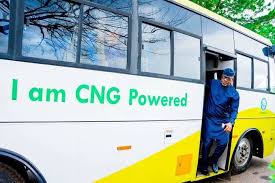
In its bid to standardise and regulate the conversion of vehicles to Compressed Natural Gas (CNG) in Nigeria, the Federal Government, through the National Automotive Design and Development Council (NADDC), has initiated a certification process for CNG Conversion Workshops.
The move came amidst concerns over market expansion, safety, and the proliferation of unregulated conversion centres across the country.
The Director-General, NADDC, Joseph Osanipin, revealed this while addressing stakeholders during an Engagement Meeting in Abuja,
Citing data from Autogas Africa, Osanipin said there are currently over 120 CNG conversion centres with 466 skilled technicians operating across Nigeria, adding that these workshops have the capacity to convert a minimum of two petrol vehicles to CNG per day, indicating a growing acceptance of CNG conversion in the market.
While noting that the meeting was aimed at enlightening them about the Council’s guidelines and requirements for accreditation and certification of CNG workshops, he emphasised that the certification process would guarantee compliance with safety standards, with workshops meeting the necessary requirements and receiving accreditation, adding that the accreditation would allow them access to CNG at gas stations.
According to him, the regulations cover various aspects of the conversion process, including the use of conversion kits, the conversion environment, and the qualifications of personnel involved.
Osanipin explained that after the conversion, they would be given a QR Code and the code would go with every vehicle they have been converted, which would also be used to be served gas at the stations.
He warned that workshops which do not satisfy the basic requirements would not be certified by NADDC to perform the conversion and therefore would not be able to access CNG at gas stations.
The NADDC boss disclosed that a safety policy document on 80 standards and regulations that must be strictly adhered to by operators has been developed and approved by the Standards Organization of Nigeria (SON) to ensure CNG conversions were done safely and reliably.
Osanipin emphasised that the deployment of CNG buses and tricycles, along with the vision to get at least one million natural gas-propelled vehicles on Nigeria’s roads by 2027, would mark a significant energy transition in the country’s transportation industry.
He said, “As more vehicles, including trucks, run on natural gas, Nigeria will gradually phase out the use of more expensive diesel and PMS”.
According to him, Nigeria has abundant natural gas resources in at least 30 out of the 36 states of the federation, making it feasible to achieve this transition.
He insisted that the initiative aligns with President Bola Ahmed Tinubu’s launch of the Presidential Compressed Natural Gas Initiative (P-CNG-i) last year, aimed at promoting CNG as an alternative transportation fuel, following the removal of fuel subsidies.



Business
Jonathan, Diri, Others Laud Firm’s Milestone in Bayelsa …Says Project Will Drive Industrialisation, Create Jobs



-

 News2 days ago
RSG Targets Nine Million Residents in Mosquito Net Distribution Campaign
-

 Oil & Energy2 days ago
Aiyedatiwa Signs New Electricity Bill
-

 Oil & Energy2 days ago
NLNG Commissions Research And Innovation Centre In RSU
-

 Maritime2 days ago
Marine Minister Commends President Tinubu On NPERA Bill Assent
-

 News2 days ago
KenPoly Holds Eight Convocations, August 29
-

 News2 days ago
RSG Begins Another Phase of Projects Commissioning Today
-

 News2 days ago
RMAFC Completes Revenue Sharing Review, Proposes New Pay
-

 Maritime2 days ago
NAGAFF Petitions IGP Over Alleged Maritime Police Harassment