
Business
United Airlines Expands Operational Routes

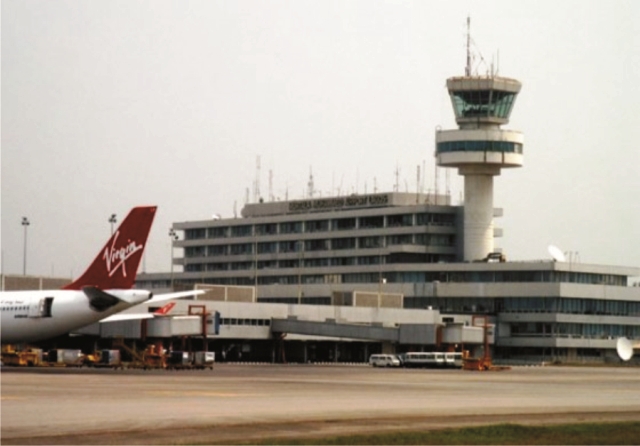
A fast growing indigenous carrier, United Nigeria Airlines, is taking a giant stride to expand its operations, as it is set to open a new airline route connecting Kano State with Sokoto State in December, among other steps.
The Chief Operating Officer of the airline, Mazi Osita Okonkwo, in a statement made available to newsmen on Friday, said the company has concluded plans to expand its operations to unite the northern part of the country with the opening of offices in Kano and Sokoto states.
According to the release, the Kano and Sokoto routes opening is coming amid plans to also connect Edo, Plateau, and Borno States with the arrival of more aircrafts.
“The Kano and Sokoto offices of the airline will operate at the Mallam Aminu Kano International Airport and the Sultan Abubakar International Airport.
“Already, plans are in top gear for the inaugural flight to the two airports planned to take place between December 1 and December 2, 2023”, he stated.
Okonkwo further explained in the statement with that the airline was interested in uniting Nigerians across more cities in the country.
“The expansion of flight services to Kano and Sokoto, with a further vision for Edo, Plateau, and Borno States is part of the strategic plans of the company to unite Nigerians and offer them more options for air travel.
“With the expansion of air transport services to the north, Nigerians would have more options to connect with more cities, their loved ones, and businesses in safety and in comfort.
“We shall soon commence scheduled flight operations to Kano and Sokoto, and already, we have put support infrastructure on the ground at the airports to facilitate this vision.
“Our mission is to expand the travel options available to Nigerians so that more people can travel by air.
“This will enhance connectivity between Nigerian cities, and families as well as enhance economic activities. Ours is to make sure that Nigerians travel in safety and in comfort across cities where we have already taken our services.
“As you know, with Kano and Sokoto on our schedules, we look forward to bringing Plateau and Borno states on board, just as we are also putting up infrastructure to make sure that Edo State is also connected through the Benin airport”, he stated.
By: Corlins Walter


Nkpemenyie Mcdominic
Reports say that the training is designed to equip youths with practical technical skills for employment in the oil and gas and construction sectors, with emphasis on employability, safety, competence and self reliance.
In attendance at the flag-off ceremony this week, at the Petroleum Training Institute (PTI) Conference Hall, Effurun, were stakeholders, dignitaries, and political representatives, among others.
Dafinone, represented by his Chief of Staff, Adelabu Bodjor, said the initiative reflects a deliberate political investment in human capital development across Delta Central.
He explained that the training focuses on rigging and scaffolding, noting that “both are essential technical competencies required in industrial operations, construction projects, and oil and gas installations”.
Bodjor added, “The programme is intended to reduce dependency among youths by providing job-ready skills capable of supporting long-term economic opportunities and self-sufficiency. The initiative aligns with Senator Dafinone’s broader development agenda, which prioritises practical skill acquisition as a pathway to sustainable empowerment.”
Also addressing the participants, the NCDMB, Felix Omatsola Ogbe, represented by Mr. Teddy Bai, commended Dafinone for sponsoring the programme, describing it as “a timely response to critical manpower gaps in the industry”.
Bai explained that rigging and scaffolding remain safety-sensitive skills required across fabrication yards, offshore platforms, and construction sites, stressing that the programme bridges the gap between certification and practical competence.
He also charged the training consultant, OROH Contractors Limited, to maintain strict standards of professionalism, safety, and discipline, while urging participants to remain committed, focused, and disciplined throughout the exercise.
The Senate Liaison Officer for Sapele Local Government Area, Chief Patrick Akamuvba, , described the programme as a major step in strengthening human capital development in Delta Central.
Akamuvba said scaffolding and rigging skills are in high demand across residential, commercial, and industrial construction projects, noting that the training offers real employment opportunities for beneficiaries
He urged participants to prioritise knowledge and certification over short-term material expectations, stressing that discipline and seriousness would determine their long-term success.
He also cautioned youths against social vices and distractions, advising them to remain focused to maximise the opportunities provided by the programme.
-
News1 day ago
Obuah’s Victory Excites Former Lawmaker as APC Primaries Conclude in Rivers West
-

 Politics3 days ago
APC PRIMARIES: FUBARA’S WITHDRAWAL, HISTORIC SACRIFICE FOR NATIONAL STABILITY ……. GROUP
-

 News3 days ago
Court Sentences Seven To Death Over Murder Of Cleric In Rivers
-
News1 day ago
105 Nigerians Killed In S/Africa In Seven Years
-

 Sports3 days ago
PH Arsenal Community Set For Streets Procession, Saturday
-

 Politics3 days ago
IPAC Flays INEC Over Election Guidelines Judgement
-

 Politics3 days ago
NDC To Adopt Electronic Voting For Future Primaries
-

 Niger Delta1 day ago
Royal Father Endorses PH Arsenal Community, Pledges To Support