
Business
Tinubu Boosts Investors’ Confidence

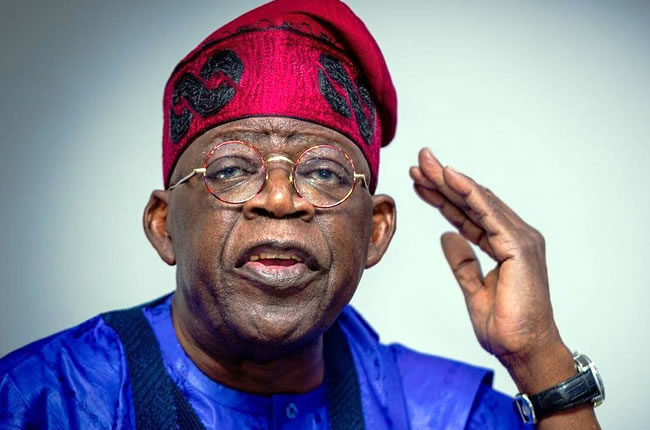
Chief Executive Officer (CEO) of Nigerian Exchange (NGX), Mr. Temi Popoola, says the unprecedented growth of the Nigerian Capital Market in recent times is due to President Bola Ahmed Tinubu’s policies.
Popoola, who was speaking at the NGX, midweek, in Lagos, attributed the staggering growth of the Nigerian Capital Market to increased focus, emphasis on regulations, and the return of investors’ confidence in the market due to policies implementation by the Tinubu administration.
The CEO said NGX would work with the government on the introduction of fiscal incentives for listed companies, saying that the Exchange would also increase its advocacy for listed companies on their challenges.
He underlined the importance of the capital market to the ongoing economic renewal programmes of the government, noting that the ability to raise capital for smaller corporates will drive the growth of the nation’s economy.
Popoola further noted that in order to unlock capital, there is a need to tap into retail investment.
NGX, he explained, is strategically working with the government on attracting more listings to its platform among other objectives.
“It is very clear that the government needs as much support as it can get. We are working with all stakeholders: the SEC, other exchanges, just across the market to address key challenges around wealth creation and revenue generation.
“Currently, we are working through a plan tagged ‘fiscal-type incentives for listed corporates’ as Nigeria is one of the few geographies where a listed company can barely point at any tangible fiscal thing that they enjoy by being listed.
“We will also be engaging corporates to further identify their pain-points and amplify that with the government”, he said.
Popoola spoke at closing gong ceremony in honour of the new Chief Executive Officer, Dangote Cement Plc, Mr Arvind Pathak.
He commended the performance of Dangote Cement in its 2022 financial numbers, while assuring that the Exchange is keen to continue working with more stakeholders in the industry.
Pathak said having made giant strides in its debt capital market journey, Dangote Cement is optimistic about its future growth and strategy prospects.
The new CEO said the company is looking forward to fostering partnership with the Exchange on evolving ways to promote the growth of the Nigerian capital market, while providing additional value to its unwavering shareholders.


Nkpemenyie Mcdominic
Reports say that the training is designed to equip youths with practical technical skills for employment in the oil and gas and construction sectors, with emphasis on employability, safety, competence and self reliance.
In attendance at the flag-off ceremony this week, at the Petroleum Training Institute (PTI) Conference Hall, Effurun, were stakeholders, dignitaries, and political representatives, among others.
Dafinone, represented by his Chief of Staff, Adelabu Bodjor, said the initiative reflects a deliberate political investment in human capital development across Delta Central.
He explained that the training focuses on rigging and scaffolding, noting that “both are essential technical competencies required in industrial operations, construction projects, and oil and gas installations”.
Bodjor added, “The programme is intended to reduce dependency among youths by providing job-ready skills capable of supporting long-term economic opportunities and self-sufficiency. The initiative aligns with Senator Dafinone’s broader development agenda, which prioritises practical skill acquisition as a pathway to sustainable empowerment.”
Also addressing the participants, the NCDMB, Felix Omatsola Ogbe, represented by Mr. Teddy Bai, commended Dafinone for sponsoring the programme, describing it as “a timely response to critical manpower gaps in the industry”.
Bai explained that rigging and scaffolding remain safety-sensitive skills required across fabrication yards, offshore platforms, and construction sites, stressing that the programme bridges the gap between certification and practical competence.
He also charged the training consultant, OROH Contractors Limited, to maintain strict standards of professionalism, safety, and discipline, while urging participants to remain committed, focused, and disciplined throughout the exercise.
The Senate Liaison Officer for Sapele Local Government Area, Chief Patrick Akamuvba, , described the programme as a major step in strengthening human capital development in Delta Central.
Akamuvba said scaffolding and rigging skills are in high demand across residential, commercial, and industrial construction projects, noting that the training offers real employment opportunities for beneficiaries
He urged participants to prioritise knowledge and certification over short-term material expectations, stressing that discipline and seriousness would determine their long-term success.
He also cautioned youths against social vices and distractions, advising them to remain focused to maximise the opportunities provided by the programme.
-
News1 day ago
Obuah’s Victory Excites Former Lawmaker as APC Primaries Conclude in Rivers West
-

 Politics3 days ago
APC PRIMARIES: FUBARA’S WITHDRAWAL, HISTORIC SACRIFICE FOR NATIONAL STABILITY ……. GROUP
-

 News4 days ago
Court Sentences Seven To Death Over Murder Of Cleric In Rivers
-
News2 days ago
105 Nigerians Killed In S/Africa In Seven Years
-

 Sports3 days ago
PH Arsenal Community Set For Streets Procession, Saturday
-

 Politics3 days ago
IPAC Flays INEC Over Election Guidelines Judgement
-

 Politics3 days ago
NDC To Adopt Electronic Voting For Future Primaries
-

 Niger Delta1 day ago
Royal Father Endorses PH Arsenal Community, Pledges To Support