
Business
Court Bars States From Inland Waterways Control

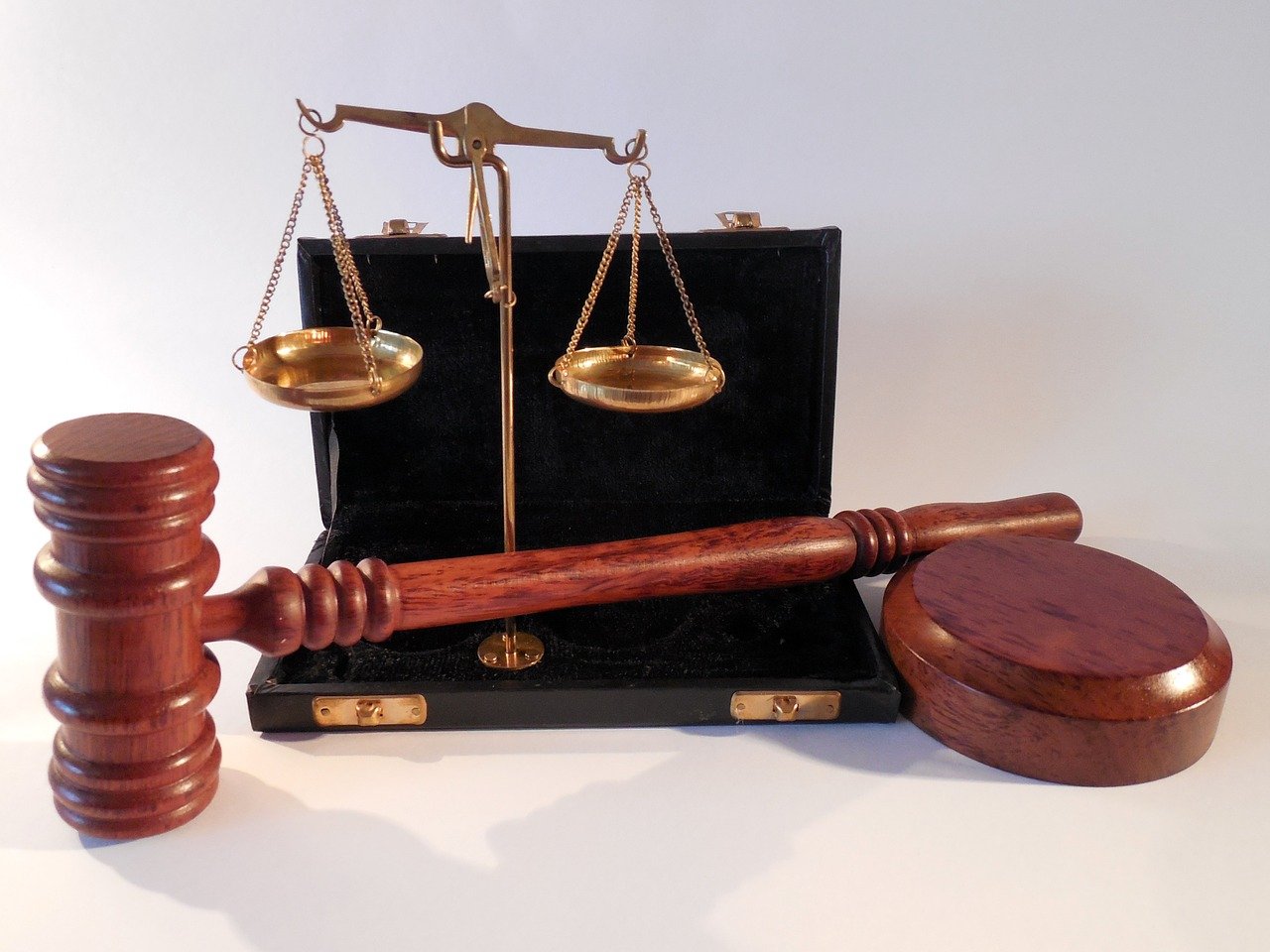
The Federal High Court, Port Harcourt, Rivers State, has said no state government in Nigeria has the power or authority to legislate over inland waterways.
The Nigerian Inland Waterways Authority (NIWA) has been at loggerhead with Lagos and Rivers State Governments over control of lnland waterways in the littoral states, leading to court cases that are presently at different stages in the country.
NIWA, in a press statement by its General Manager, Corporate Affairs, Jubril Darda’u, said the Federal High Court, Port Harcourt recently ruled that management and control of inland waterways in Nigeria is exclusively within the control of NIWA by virtue of the Constitution and the Act establishing NIWA by the National Assembly.
“The Federal High Court of Nigeria in the Port Harcourt Judicial Division, holding at Port Harcourt before his Lordship Hon. Justice I.S Mark, in his judgment recently orders that a state government has no authority/power to legislate on (and enforce compliance of its legislation that affect) the use, management and control of lnland waterways in Nigeria as it is exclusively within the control of National Inland Waterways Authority (NIWA) by virtue of the Constitution and the Act establishing NIWA by the National Assembly.
“The judge gave the order in the Suit No: FHC/PH/CS/142/2022 between Bright Waters Energy Limited (plaintiff) and the Honorable Attorney-General and Commissioner for Justice, Rivers State, the Hon. Commissioner for Environment, Rivers State and Petroleum Financial Corporate (PFC) as (defendants)”, he said.



Business
Jonathan, Diri, Others Laud Firm’s Milestone in Bayelsa …Says Project Will Drive Industrialisation, Create Jobs



-

 News2 days ago
RSG Targets Nine Million Residents in Mosquito Net Distribution Campaign
-

 Oil & Energy2 days ago
Aiyedatiwa Signs New Electricity Bill
-

 Maritime2 days ago
Marine Minister Commends President Tinubu On NPERA Bill Assent
-

 Oil & Energy2 days ago
NLNG Commissions Research And Innovation Centre In RSU
-

 News2 days ago
KenPoly Holds Eight Convocations, August 29
-

 News2 days ago
RSG Begins Another Phase of Projects Commissioning Today
-

 News2 days ago
RMAFC Completes Revenue Sharing Review, Proposes New Pay
-

 Maritime2 days ago
NAGAFF Petitions IGP Over Alleged Maritime Police Harassment