
Entertainment
Afrobeat: The Long Journey To Grammys

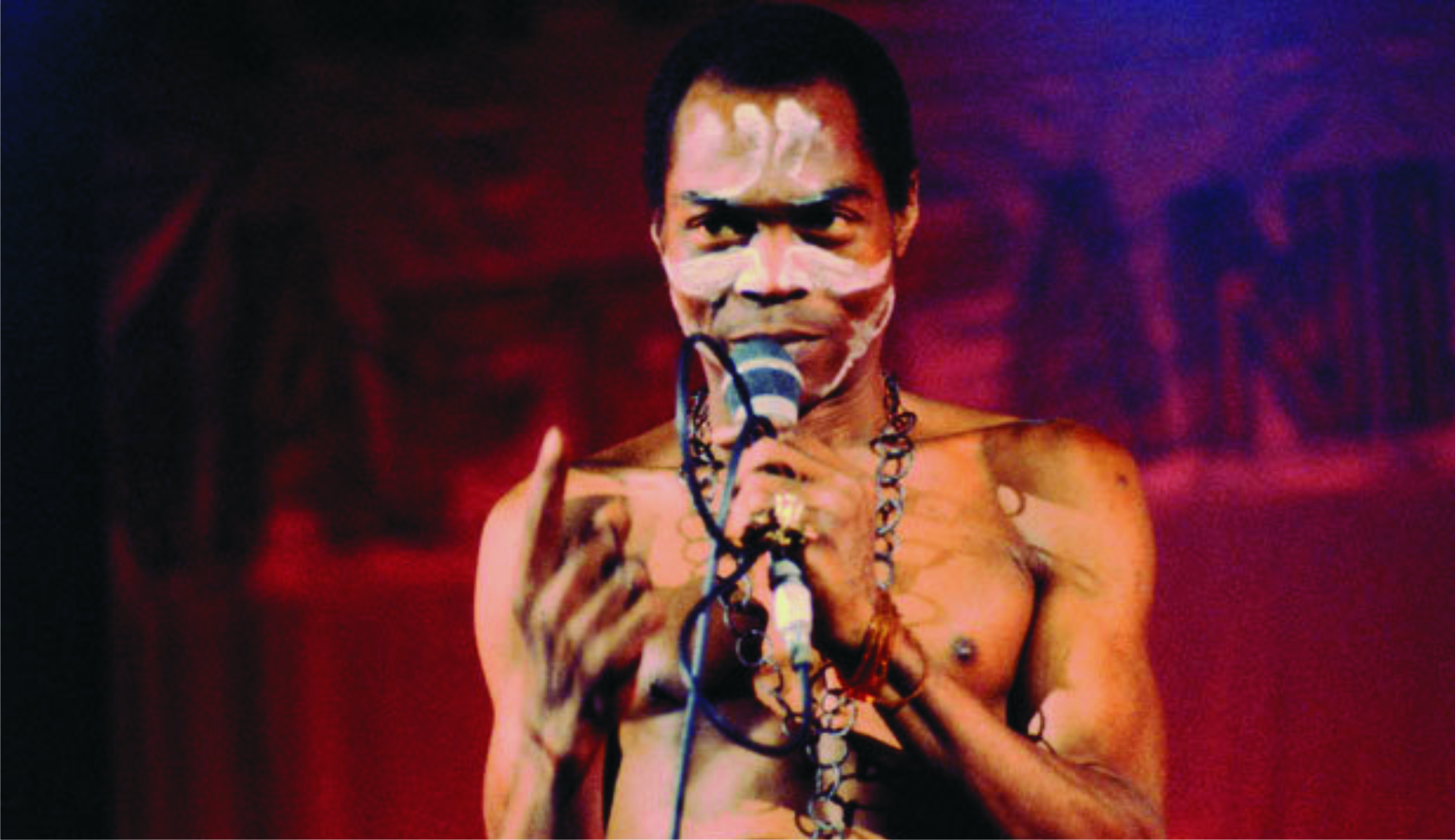
Afrobeat is a jubilant party music that draws from west African source, hybrid languages, propulsive rhythms move them with delivery and tone from across America’s referencing hip hop and Jamaican dancehall
Wikipedia defines Afrobeat as “a music genre which involves the combination of elements of west African musical styles such as Fuji music, highlife with American jazz, and later soul and funk influence with a focus on chanted vocals, complex intersecting rhythms and percussion”.
Distinct from Afrobeat is Afrobeats, a sound originating in West Africa in the 21st century, one which takes in diverse influences and eclectic combination of genres such as Azonto, dancehall, highlife, House juju, Naijabeats, Ndombolo, Palm wine, RnB and Soca.
Typical instruments are bass guitar, congas drum, horns, Hammond, organ, keyboard percussion, saxophone and vocals. The two genres though often conflated are not the same.
The origin of Afrobeat music genre could be traced to Ghana in the early 1920s when Ghanaian rhythms like Osibisaba, (Fante), Highlife was associated with the local African Aristocracy during the colonial period and was played by numerous bands including jazz king, Cape Coast Sugar Babies and Accra orchestra along the country’s coast.
Nigeria later joined the Afrobeat wave in the late 1960s led by Fela Kuti, who experimented with different contemporary music of the time upon arriving in Nigeria. Fela also changed the name of his group to Africa 70 and opened his club African Shine in Lagos, between 1970 and 1975, Afrobeat ruled the club and thrived among Nigerian youths. Fela, a much instrumentalist and band leader was repoonsible for pioneering and popularising the style both within and outside Nigeria.
Politics became essential to Afrobeat as Fela used social criticisms to pave way for social change. His message can be described as confrontational and controversial which can be related to the political climate of most of the African countries in the 1970s which were dealing with political injustice and military corruption, while recovering from the transition from colonial government to self determination.
Many jazz musicians have been attracted to Afrobeat, the genre has also influenced important producers and musicians like Brian Eno and David Byrne, who credit Fela as an essential influence. In July 2020, the Afrobeat genre got its official chart which highlights impactful Afrobeat artistes in united kingdom where the scene was accrued wide-spread popularity for about a decade.
Afrobeat growing traction was seen in traditional and new avenues starting with a steady supply of hit songs, international collaborations with Burna Boy, Wizkid, Davido, Tiwa Savage among others, leading affairs with both local and international awards and recognitions to show for their exploits in the Afrobeat clan.
Nigeria took centre stage of the world’s attention yet again on Sunday March 14, 2021 at the 63rd Annual Grammy Awards held in Los Angeles, USA as Nigeria’s Afrobeat super stars, Burna Boy and Wizkid did the country proud by winning a Grammy each in different categories. While Burna Boy won the award in the Best Global music Album category for his body of work, ‘Twice As Tall’ Album, Wizkid clinched the Best music video Award for a collaborative effort with Beyonce on the ‘Brown Skin Girl from the Lion king: the Gift Album.
Recently, an African American Grammy Recording Academy member and Afrobeat to the world Advocate, Richardine Bartee who revealed that she voted for Burna Boy at the just concluded 63rd Grammy Award highlighted what the Nigerian two Grammys entails not only to Africa, but the future of Afrobeats on the world stage.
In a WhatsApp chart with potpourri, she said “Wizkid and Burna Boy winning Grammy awards is a big deal not only to Africa, but also to the people in the US pushing music made in Africa. A group of people including Quincy Jones and myself are involved in the bringing a new inclusive category to the Grammy which we hope will help to blend western and non-western elements of rhythm, melody and instrumentation.
Addressing the mounting fear that Afrobeat of which Nigeria is the flag bearer to the world may die a natural death like soukus and makossa, Barter assures that the genre can never die in its true form.
“Based on music history and what happen in American pop culture, most things have their moment, its what we refer to as an era, or something had its 15 seconds of fame. Nothing lasts forever in its original form and it shouldn’t, human life is ever evolving, like the Christ Redeemer status is to Brazil, Afrobeats will always be synonymous with Africa. I hope that Afrobeat in the future gets coupled with how it affects diaspora people encouraging them to learn more about their ethnic background and visit the land”, she said.
Many Americans, particularly those of African descent, have been vigorously promoting Afrobeats in America. Richardine Barter for the better part of 10 years, has been an advocate of Afrobeats with a special focus on emerging artistes.
Recently, another African American, Sheila O with Afro zones and in conjunction with mix cloud just launched a programme tagged “Afrobeats US weekly Top 10 chart”, with a view to promoting Afrobeat in the USA and its neighbouring countries. Sheila Akonji popularly known as Sheila O, is the anchor of the show titled, “How Far With Sheila O”, which airs on HIPTV.
By: Jacob Obinna



R&B star, Temilade Openiyi, popularly known as Tems, has recounted the early-career challenges she faced, revealing that she was once booed out of the stage while performing at a school event.
Speaking in an interview with Newsmen, the Crazy Tings crooner shared that she wasn’t only booed but was also harassed with plastic bottles.
“I remember one time I was going to perform at my school as an up-and-coming singer and I thought I was going to receiving a standing ovation.
“But I got booed. They even threw plastic bottles at me,” she recalled.
Tems explained that despite the embarrassing incident and other such rejections, she remained determined to pursue a career in music.
The Tide Entertainment reports that Tems admitted that some of the initial rejections she faced could be due to her conviction to stick to her originality instead of doing covers or familiar sounds like most of her peers.
The Grammy-winning singer said looking back now, she is glad that she didn’t compromise her style despite the initial pressures.

A close associate of late singer Mohbad, Primeboy, has appealed for the artiste’s burial nearly three years after his death.
According to him, Mohbad’s body remains in the mortuary since September 12, 2023, pending burial arrangements.
The Tide Entertainment reports that in a statement Primeboy urged the family, public, and government to permit the burial, stating, “It’s been almost three years since Mohbad left us. His body is still in the mortuary. I’m begging the family, I’m begging the public, I’m begging the government, please let’s bury our brother. He deserves a befitting burial.”
It would be recalled that Mohbad’s death sparked public outrage, protests, and investigations. Ongoing autopsy examinations, police inquiries, and legal proceedings have delayed burial arrangements amid family disagreements and public scrutiny.
-

 Business4 days ago
NCDMB Signs Mgt Deal With Radisson, Edison…As Board’s 204 Rooms Hotel Open December 2026
-

 Business4 days ago
NERC Amends Order on Meter Tampering, Power Bypass For Discos
-

 Rivers4 days ago
KENPOLY Rector Promises To Prioritise Students’ Welfare
-

 Business4 days ago
Nigeria, AFC sign $1.3 billion deal to build alumina refinery
-

 Business4 days ago
FG engages foreign investors at PEBEC Roundtable on business environment reforms
-

 Sports4 days ago
Yenagoa City Set For Maiden 10km Marathon
-

 Sports4 days ago
Inter House Sports Is Where Talents Are Discovered -Rear Admiral Okehie
-

 Sports5 days ago
Beyond Limits Intensify NPFL Return