
Business
Lagos Tanker Drivers To Begin Indefinite Strike Monday

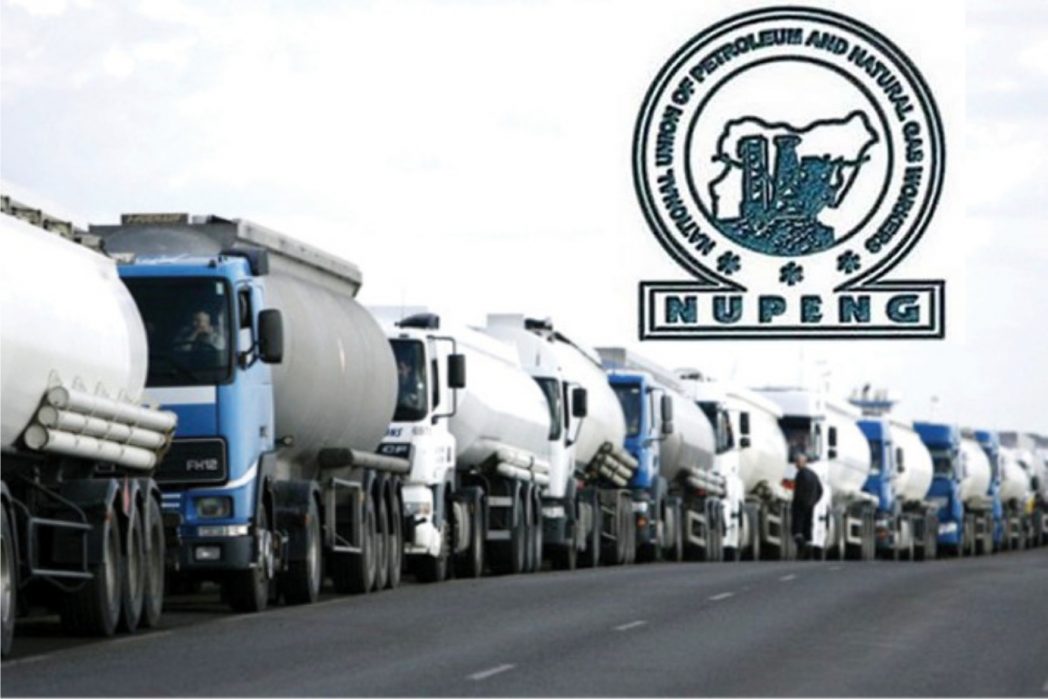
The national leadership of the Nigeria Union of Petroleum and Natural Gas Workers has directed petroleum tanker drivers to withdraw their services from Lagos State with effect from Monday.
NUPENG said on Friday that the directive followed the failure of various authorities in the state to address three major issues that had severely caused petroleum tanker drivers pains and harrowing experiences in the state for several months now.
It said this in a statement signed by the National President, Williams Akporeha and the General Secretary, Olawale Afolabi, with the title ‘NUPENG leadership directs withdrawal of services by petroleum tanker drivers in Lagos State with effect from Monday, August 10, 2020.’
The union said, “The entire rank and file members of the union are deeply pained, frustrated and agonised by the barrage of these challenges being consistently faced by petroleum tanker drivers in Lagos State and are left with no other option but to direct the withdrawal of their services in Lagos State until the Lagos State Government and other relevant stakeholders address these critical challenges.
“It is sad and disheartening to note here that we had made several appeals and reports to the Lagos State Government and the Presidential Task Force for the decongestion of Apapa on these challenges but all to no avail.”
NUPENG said it had made wide consultations with various leadership organs of its union and with other key stakeholders in the oil and gas industry.
It said it resolved to embark on an indefinite strike beginning from 12 am, Monday, August 10, 2020, if there are no decisive and convincing actions from the Lagos State Government to address the concerns and challenges.
It said the three major challenges tanker drivers were facing in Lagos included extortion and harassment by various security agents and, area boys’ (miscreants).
NUPENG said it was disturbing and inexplicable that security agents who were expected to ensure the free flow of traffic and protection of road users were using their uniforms and arms to intimidate, harass and extort money from tanker drivers.
“This menace must stop and the leadership of these security operatives in Lagos State must go all out to call their men to order with immediate effect.”
The union also lamented that what it described as the menace of containerised trucks at Apapa, Kirikiri and Beach Land axis of Lagos and the collusion of government officials hindering fuel tankers from loading activities at depots and tank farms.
“Persistent traffic gridlock and indiscriminate parking of containerised trucks on major Lagos roads and bridges leading to Apapa port, Kirikiri, Beach Land, Satellite Town, Ijegun, are another major setbacks bedeviling the smooth running of the operations of Petroleum Tanker Drivers in Lagos State.”
According to the statement, MRS depot has been held captive for more than three months from discharging products to tanker drivers despite heavy availability of petroleum products stockpiled in their tank farm facilities.
“It’s really worrisome that Lagos State, which is known to be a mega city and centre of excellence, has now become a safe haven for area boys and area godfathers who now see petroleum tanker drivers as soft targets, extorting money from them every day, assaulting them and vandalising their trucks in some instances,” it added.



Business
Jonathan, Diri, Others Laud Firm’s Milestone in Bayelsa …Says Project Will Drive Industrialisation, Create Jobs



-

 News2 days ago
RSG Targets Nine Million Residents in Mosquito Net Distribution Campaign
-

 Oil & Energy1 day ago
Aiyedatiwa Signs New Electricity Bill
-

 Maritime1 day ago
Marine Minister Commends President Tinubu On NPERA Bill Assent
-

 Oil & Energy1 day ago
NLNG Commissions Research And Innovation Centre In RSU
-

 News2 days ago
KenPoly Holds Eight Convocations, August 29
-

 News2 days ago
RSG Begins Another Phase of Projects Commissioning Today
-

 News2 days ago
RMAFC Completes Revenue Sharing Review, Proposes New Pay
-

 Maritime1 day ago
NAGAFF Petitions IGP Over Alleged Maritime Police Harassment