
Business
PHED Blames Staff, Consumers’ Rift On Corruption

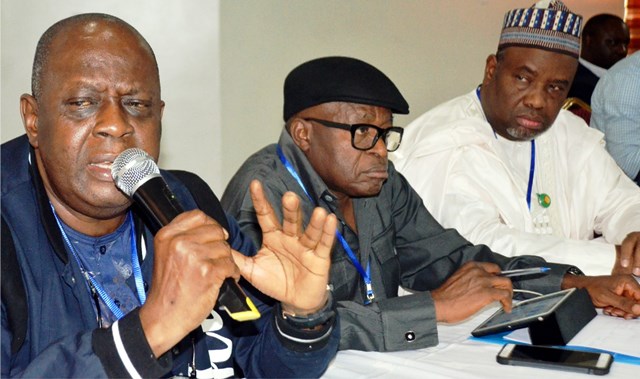
The Port Harcourt Electricity Distribution Company (PHED) says it has identified some areas of contention between staff of the company and consumers.
The Manager, Energy Efficiency and Demand Services, PHED, Mr Franklyn Ajaegbu made this disclosure in a media parley in Port Harcourt, Wednesday.
Ajaegbu noted that the issues bordered on issuance of pre-paid meters, meter by pass connections and estimated bills, stating that these issues were not insurmountable.
He observed that the contention between consumers and staff of the electricity distribution company was not unconnected to corruption and pledged that PHED would endeavour to resolve the issues.
Ajaegbu stressed the company’s preparedness to improve the quality of service to consumers at all times, while appealing to the public to desist from vandalising electricity equipment in their area.
He called on dissatisfied electricity consumers to lodge their complaints at their Moscow Road office and assured that prompt action would be taken towards resolving the issue.
Meanwhile, the electricity distribution company has described as unfounded, claims by residents of Okporo Road, Obio/Akpor Local Government Area of Rivers State, that PHED was asking them to contribute N200,000 to fix a vandalised armoured cable from a transformer servicing the area.
The Head, Corporate Affairs, PHED, Mr John Onyi, made this dismissal on Wednesday in Port Harcourt in his reaction to allegations by residents of the area that they were being made to contribute the said sum to have their transformer fixed.
Onyi enjoined the residents of the area to report anyone making such demand to the company, assuring that the company would swing into swift action.
According to him, ‘no official of PHED has asked anybody to contribute money… It is against the business and Management frowns at it’’.
He thanked the neighbourhood vigilante that prevented the vandals from carting away the vandalised cable and charged them to beef up security to stall further occurrences of theft in the area.
Earlier, residents of Okporo Road had appealed to PHED to rescind on an alleged demand on residents of the area to contribute N200,000.
They complained that they had not been getting adequate power supply from the power distribution company and wondered why they should be levied so heavily.
Tonye Nria-Dappa



Business
NAFDAC Decries Circulation Of Prohibited Food Items In markets …….Orders Vendors’ Immediate Cessation Of Dealings With Products


Importers, market traders, and supermarket operators have therefore, been directed to immediately cease all dealings in these items and to notify their supply chain partners to halt transactions involving prohibited products.
The agency emphasized that failure to comply will attract strict enforcement measures, including seizure and destruction of goods, suspension or revocation of operational licences, and prosecution under relevant laws.
The statement said “The National Agency for Food and Drug Administration and Control (NAFDAC) has raised an alarm over the growing incidence of smuggling, sale, and distribution of regulated food products such as pasta, noodles, sugar, and tomato paste currently found in markets across the country.
“These products are expressly listed on the Federal Government’s Customs Prohibition List and are not permitted for importation”.
NAFDAC also called on other government bodies, including the Nigeria Customs Service, Nigeria Immigration Service(NIS) Standards Organisation of Nigeria (SON), Nigerian Ports Authority (NPA), Nigerian Maritime Administration and Safety Agency (NIMASA), Nigeria Shippers Council, and the Nigeria Agricultural Quarantine Service (NAQS), to collaborate in enforcing the ban on these unsafe products.
-

 Politics4 days ago
Why Reno Omokri Should Be Dropped From Ambassadorial List – Arabambi
-

 Politics3 days ago
PDP Vows Legal Action Against Rivers Lawmakers Over Defection
-

 Sports3 days ago
Nigeria, Egypt friendly Hold Dec 16
-

 Sports3 days ago
NSC hails S’Eagles Captain Troost-Ekong
-

 Oil & Energy3 days ago
NCDMB Unveils $100m Equity Investment Scheme, Says Nigerian Content Hits 61% In 2025 ………As Board Plans Technology Challenge, Research and Development Fair In 2026
-

 Politics3 days ago
RIVERS PEOPLE REACT AS 17 PDP STATE LAWMAKERS MOVE TO APC
-

 Politics3 days ago
Withdraw Ambassadorial List, It Lacks Federal Character, Ndume Tells Tinubu
-

 Sports3 days ago
Makinde becomes Nigeria’s youngest Karate black belt