
Nation
THE STATES

Ekiti
The resolve of President Goodluck Jonathan to organise
a national conference was last Tuesday welcomed by Governor Kayode Fayemi of Ekiti state as well as some eminent Nigerians across the country.
Fayemi, who addressed the people of the state shortly after the nationwide address of the president, called for sincerity in holding the forum.
The governor said the acceptance of dialogue as means of resolving the challenges confronting the nation was long overdue.
He, however, said that the fact that support for such a national dialogue was now coming from prominent members of the ruling PDP was a surprise.
Fayemi warned that the conference may be viewed with suspicion if no sincerity of purpose was attached to its organisation.
FCT
The Christian Association of Nigeria has extended its
goodwill to Nigerians as the country celebrates her 53rd Independence Anniversary but, however, said “as leader of the African continent, Nigeria deserved more than she has attained so far.”
The association said that the country was “yet to achieve the desired standard of conduct and performance envisaged by her founding fathers.”
President of CAN, Pastor Ayo Oritsejafor, in a statement last Monday in Abuja expressed “a strong hope that development would come as soon as all the challenges inhibiting her progress are surmounted.”
Oritsejafor said, “We must keep hope alive. We are still together and would be together. There has been modest improvement and development. It could be better. But the atmosphere is not encouraging enough to hold those administering the country accountable, talking about the security challenges. We must all return to the path of sanity to be able to develop.” he said.
Kano
The President of Dangote Group, Alhaji Aliko Dangote,
said last Tuesday that he would construct a 1,000-bed hospital in Kano to improve health care delivery in the state.
Dangote announced this while laying the foundation of Mariya Sanusi Dantata Ultra-Modern Theatre and diagnostic complex at Murtala Muhammed Hospital in Kano metropolis said the project would make health care delivery easier and accessible to the people of the state.
In his remark, Gov. Rabiu Kwankwaso commended, Aliko Dangote for initiating the project, which he said, would facilitate surgical operation in the hospital.
Kwankwaso said that the state government rehabilitated and equipped health training institutions to enable them to produce qualified health workers.
The state Commissioner for Health, Dr. Labaran Yusuf, commended the governor and the president of Dangote Foundation for transforming the health sector in the state.
Kaduna
The Kaduna State Pilgrims Welfare Board has barred 21
women from performing this year’s pilgrimage to Saudi Arabia, Dr Ibrahim Aliyu, the Director of the state Medical Team, has said.
Aliyu said 19 of the women were dropped when they were found to be pregnant while two others were barred from performing the Hajj due to serious medical conditions.
The director disclosed this when he received the wife of the state governor, Hajia Fati Yero, who was at the state Hajj Camp for medical screening preparatory to her journey for the pilgrimage.
He said those screened out were carrying pregnancies of between three weeks to six months, adding that the screening would continue until the transportation of the pilgrims was concluded.
Katsina
Governor Ibrahim Shema of Katsina State last Wednes
day in Abuja called on the United States Agency for International Development (USAID) to link more farmers to markets for their produce.
Shema who made the call at a reception organised by USAID for the Lagos-Kano-Jibiya (LAKAJI) Agricultural Growth Corridor Investment Summit said most African farmers needed to be connected to agriculture and agro-allied markets for their produce.
The governor explained that the LAKAJI initiative, if well co-ordinated, would open more opportunities for Nigerian farmers, adding that the Katsina State Government had laid more emphasis on the growth of agriculture.
Kwara
Secretary of the Christian Association of Nigeria (CAN) in Kwara, Rev. Zacchaeus Fawenu, has commended President Goodluck Jonathan over his plan to organise a national conference.
Fawenu said in Ilorin that the proposed conference was the most positive agenda unveiled by the president in his Independence Day broadcast.
He described the move for national dialogue as a welcome idea, urging that it should not be politicised.
“If it is with genuine spirit of solving the problems at hand and the right stakeholders are brought in into the conference, I think it is going to be a way forward. ”It is a right agenda that I would welcome and I will encourage Nigerians and Christians in particular to actively take part in it,’’ he said.
Lagos
Some members of the academia have described as nec
essary President Goodluck Jonathan’s constitution of an advisory committee to set up modalities for a national dialogue or conference.
Lecturer in Political Science Department at the University of Lagos, Dr Samuel Ugo, described it as a welcome development and a relief to all concerned parties.
Also, Prof. Lai Olurode, a former Dean, Faculty of Social Sciences, University of Lagos, said the move was a bold step by government towards national reconciliation and nationalism.
Ondo
The former Chairman of the Ondo State Council of Obas,
Oba Lawrence Omowole, has urged Governor Olusegun Mimiko to complete the abandoned projects started by his predecessor, the late Dr. Olusegun Agagu.
He said it was the best way to immortalise the late Agagu.
Agagu’s remains will arrive in the state tomorrow from Lagos and will be laid-in-state at the Democracy Park in Akure, the state capital, and the Civic Centre in Iju-Odo, Okitipupa Local Government.
Oba Omowole, who is the Amapetu of Mahin Kingdom, described the late Agagu as a pragmatic leader, who would be missed by the people.
Speaking with reporters yesterday in Akure, the monarch said the late Agagu was a great politician, whose impact was felt in all sectors during his tenures as a minister and governor.
Osun
The second term bid of Governor Rauf Aregbesola re
ceived a boost recently as the lawmakers representing Osun State at the National Assembly and their counterparts at the House of Assembly declared their support for him to contest for the second term in 2014.
Declaring their support in Osogbo at a rally to celebrate the 53rd Independence anniversary of Nigeria, the legislators attributed their resolve to what they described as sterling performances of the governor, which they said had brought about social and economic transformation of the state.
Oyo
The Federal Road Safety Commission (FRSC) Oluyole
RS 11.32 Ibadan last Tuesday handed over a 10-month-old baby, Emmanuel to his family members at the Ibadan Central Hospital, Ososami, Ibadan. The FRSC team was led by the Unit Head of operation, Francis Adejare
Ajatta, who represented the unit commander, Commander Sanya Adeoye at the event received the baby from Dr Oriola Olafeso who was on duty.
However, baby Emmanuel who had earlier been christened Emmanuel by the FRSC and the medical team was revealed to be known as Abdul Rasak Abayomi Molumo by his father, Tajudeen Molumo.
According to the birth certificate issued by the National Population Commission displayed at the ceremony, the boy was born on June 17, 2007, to Mr and Mrs Tajudeen and Fatimoh Molumo.
Abdulrasak was recovered at an accident scene which occured at the Lagos/Ibadan expressway on Sepember 22, 2013, where his mother, Fatimoh had died. The baby was then handed over to a medical team which deposited him for proper medical examination and care at the Ibadan Central Hospital, Ososami road, Ibadan.
Taraba
The Commissioner of Police in Taraba State, Mr Jibril
Adeniji, said that the command arrested 138 youths who were being conveyed from Wukari to Jalingo on a suspicious mission.
Speaking with newsmen, he said that the youths, whose ages ranged from 20 to 30, were intercepted in Mutum-Biyu on Monday as they were being conveyed to Jalingo in seven buses.
“Although no incriminating items were found on them, we suspect that they were being drafted to the headquarters for some mischievous purpose,” Adeniji said.
The commissioner explained that when interrogated by the police, the suspects said they were invited for screening in Jalingo by one emergency rescue organisation.
Yobe
The Foundation for Peace and Non-Violence in Nigeria
recently in Abuja condemned the recent killing of more than 50 students of the College of Agriculture, Gubja in Yobe.
President of the foundation, Onengiya Erekosima, made the condemnation during a rally organised by the group called on those responsible for the “barbaric act’’ to embrace peace, adding that killing innocent people would not solve any problem.
The group’s president also urged the group responsible for the killings to follow the path which brought peace and stability to the Niger-Delta region.
“Nigeria is unbreakable and no amount of killings will break up the country,’’ he said.


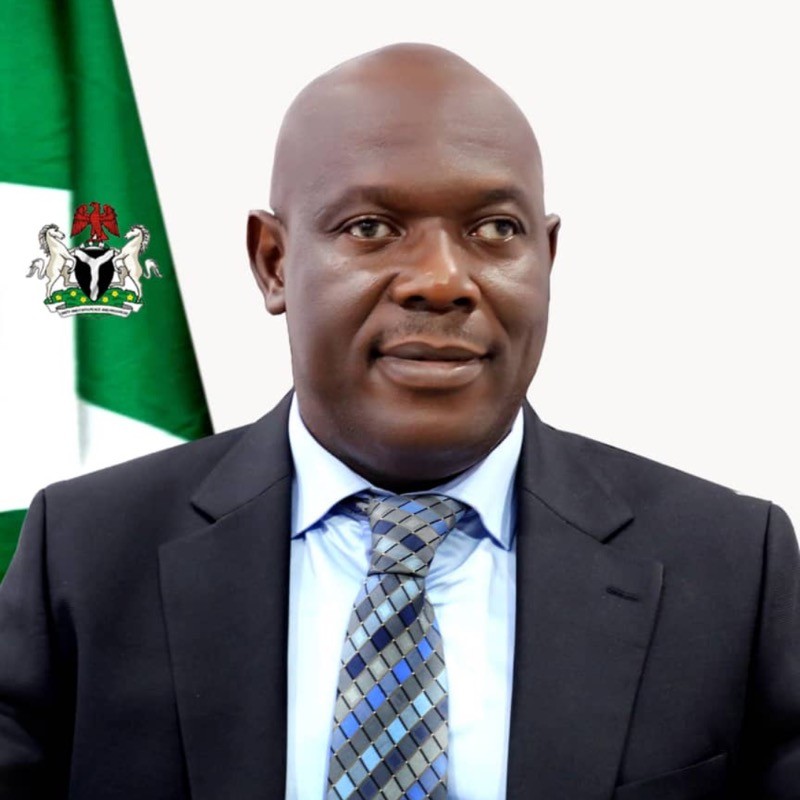
The Hydrocarbon Pollution Remediation Project (HYPREP) has announced that the mangrove wetlands in Ogoniland have been officially designated a Ramsar Site of International Importance by the Secretariat of the Ramsar Convention on Wetlands.
The designation, according to HYPREP, underscores the global ecological significance of Ogoniland’s mangrove wetlands and highlights ongoing restoration efforts aimed at addressing environmental degradation in the area.
In a press statement issued by the Project Coordinator of HYPREP, Prof Nenibarini Zabbey, the recognition was described as a major milestone for the agency, the people of Ogoni and other stakeholders working towards environmental restoration in the region.
Zabbey explained that the mangrove wetlands, which cover more than 31,700 hectares, consist of islands, tidal creeks, mudflats and mangrove forests that support a wide range of biodiversity. The ecosystem provides habitat for several species including fin fish, shellfish, crustaceans, crocodiles, turtles and the endangered grey parrot.
He noted that beyond biodiversity conservation, the wetland also provides essential ecosystem services such as fisheries production, flood control, water purification and carbon storage. According to him, the international recognition will further support local livelihoods, promote ecotourism and bring global attention to the region.
The HYPREP coordinator disclosed that the designation followed a meticulous process that began in 2024 when the project submitted a memorandum to the National Council on Environment seeking support for the recognition of the Ogoni wetlands as a Ramsar site.
Following the council’s review and approval, the Honourable Minister of Environment and Chairman of HYPREP’s Governing Council, Balarabe Abbas Lawal, formally wrote to the Ramsar Convention Secretariat requesting international recognition of the wetlands.
After a comprehensive ecological assessment, the Ramsar Secretariat granted the designation, officially recognising the Ogoniland wetlands as one of the world’s sites of international importance.
Zabbey said the recognition would strengthen ongoing environmental restoration efforts in the area and encourage stronger conservation measures and sustainable management of the wetlands for the benefit of present and future generations.
He added that the designation also fulfils a key recommendation of the United Nations Environment Programme (UNEP) Environmental Assessment Report on Ogoniland, marking another significant step in the implementation of the report’s recommendations.
The HYPREP project coordinator reaffirmed the agency’s commitment to restoring the Ogoni environment through the remediation of oil-polluted land, shorelines and mangrove ecosystems.
He also called for collective responsibility and stakeholder support to sustain the progress of the Ogoni cleanup programme and facilitate the development of a comprehensive and sustainable management plan for the Ogoni mangrove wetlands.

The Permanent Secretary, Rivers State Ministry of Social Welfare and Rehabilitation, Mrs Lauretta Davies-Dimkpa, has attributed the successes of the 12-day programme organised for adolescent girls aimed at eliminating Female Genital Mutilation(FGM) in some parts of the State to the ability of the respective stakeholders to take ownership of the programme.
Mrs Davies-Dimkpa, who dropped the hint in an interview at the end of the programme in Elele-Alimini Community in Emohua Local Government Area on Saturday, said the event had a buy-in component, an ownership mentality, whereby facilitators, staff, and everyone involved took ownership of the project.
She explained that the Rivers State Ministry of Social Welfare and Rehabilitation, in collaboration with the United Nations Children’s Fund (UNICEF) and the United Nations Population Fund (UNFPA) had packaged a series of training sessions for adolescent girls aimed at ending the practice of Female Genital Mutilation (FGM) in some communities across the State.
According to her, the initiative was designed to educate young girls on the harmful effects of the practice and empower them to become advocates against it within their communities.
She noted that the programme, which lasted for several weeks, targeted adolescent girls from different local government areas where the practice is still prevalent, stressing that
data collected by UNICEF and the Ministry revealed that Female Genital Mutilation is still practised in some parts of the State, prompting the need for intensified sensitisation and community engagement.
Mrs Davies-Dimkpa explained that the programme adopted a “train-the-trainer” approach where adolescent girls were educated on the dangers of the practice and encouraged to share the knowledge with their peers, families and communities.
“This is a programme by the Rivers State Ministry of Social Welfare and Rehabilitation with support from UNICEF and UNFPA to train adolescent girls towards ending Female Genital Mutilation, which is still practised in some local government areas,” she said.
She further explained that each participating local government area had a three-day training session, with the exercise running for a total of 12 days.
The local government areas, where the programme took place, she noted, included Ahoada West, Abua-Odual, and Emohua, adding that the initiative is part of broader efforts by the state government and development partners to eliminate harmful traditional practices and protect the rights and wellbeing of girls.
She revealed that prior to the training of the adolescent girls, the Ministry and its partners had also engaged community facilitators, including older women and men, to sensitise them on the dangers associated with Female Genital Mutilation.
According to her, the involvement of community leaders and adults is essential in addressing the cultural and social factors that sustain the practice.
Speaking on the response of the participants, the permanent secretary expressed satisfaction with the level of engagement and enthusiasm shown by the girls throughout the training sessions.
She noted that many of the participants said they were learning about the harmful effects of Female Genital Mutilation for the first time.
“The girls are between the ages of 12 and 17 and from the interactions we had with them, they were very excited. Some of them are hearing these things for the first time and never knew that the practice is harmful,” she said.
She expressed optimism that the knowledge gained from the training would enable the girls to serve as advocates for change within their communities.
She added that the Rivers State Government, alongside its partners, would continue to intensify efforts and expand community-based interventions aimed at ending the practice across the State.
Meanwhile, the participants for Emohua Local Government Area were drawn from Elele-Alimini, Egbeda, Rumuji, Ibaa, Rumuekpe, Rumuakunde, Eligbarada, and Ogbakiri Communities.
The participants,who spoke in separate interviews described the training as eye-opening, noting that it helped them better understand issues surrounding adolescent health, personal hygiene, reproductive health, and the harmful consequences of Female Genital Mutilation.
Favour Azukwu from Rumuekpe community, said the programme provided a deeper understanding of the dangers associated with the practice, particularly its impact on the health and wellbeing of girls and women.
She explained that the training sessions exposed participants to the medical, social and psychological effects of Female Genital Mutilation, including severe bleeding, infections and complications during childbirth.
She revealed that she personally experienced the practice at the age of 12 and suffered heavy bleeding afterwards, an experience that has strengthened her determination to advocate for its eradication.
According to her, many communities still practise Female Genital Mutilation because it is perceived as a cultural tradition, despite the dangers associated with it.
“I do not support Female Genital Mutilation because there are many dangers involved. I experienced severe bleeding when it was done to me as a child.
Another participant, Glory Ken, a 16-year-old secondary school student from Rumuji community, said the programme broadened her understanding of several important topics affecting adolescents.
She explained that beyond the discussion on Female Genital Mutilation, the training also focused on issues such as personal hygiene, reproductive health, peer education, and self-care.
According to her, the sessions helped participants understand the importance of making informed health decisions and supporting one another as peer educators.
“I learned about many things that affect young people in society and how to take care of myself. I also learned that Female Genital Mutilation is harmful to our health. The message I am taking back to my community is that this practice should stop,” she said.
Also speaking, Goodness Kenjika Nyeche described the programme as very impactful.
She noted that the training equipped participants with the skills and confidence to educate others about the harmful effects of Female Genital Mutilation.
She said she plans to organise sensitisation among adolescents in her community, particularly girls between the ages of 10 and 19, to ensure they understand the dangers associated with the practice.
“I learned many things from this programme and I feel very good about it. I will educate other young girls in my community and help them understand why Female Genital Mutilation should not continue,” she said.
For Queen Dike from Ibaa community, the programme helped clarify misconceptions surrounding the practice.
She explained that in some communities, the practice is still referred to as circumcision and is viewed as part of cultural identity.
She said the training helped participants understand that Female Genital Mutilation involves the cutting or removal of parts of the female genital organs and that it has serious health consequences.
She stressed that awareness and education are key to ending the practice, especially among communities that continue to uphold it as tradition.
“I think the programme is very helpful because many people still believe it is part of culture. More awareness is needed so people can understand why it should stop,” she said.
Another participant, MyJoy Echika Amadi, said the programme provided critical information about adolescent health and the dangers associated with Female Genital Mutilation.
She described the initiative as enlightening and said it encouraged young people to become advocates for change in their communities.
According to her, participants were encouraged to use various platforms such as churches, peer groups, schools and community gatherings to spread awareness about the harmful effects of the practice.
“This programme has enlightened us about the dangers of Female Genital Mutilation. I will do my best to create awareness in my community and encourage people to stop the practice,” she said.
Many of the participants emphasised that the knowledge gained during the programme has empowered them to challenge harmful traditions and promote healthier practices among young people.
They also called on the Rivers State Government, development partners and civil society organisations to sustain the sensitisation campaigns and extend the training to more communities across the State.
According to them, empowering young people with the right information will play a critical role in eliminating Female Genital Mutilation and protecting the rights, health and dignity of girls in Rivers State.
The participants expressed appreciation to the Rivers State Ministry of Social Welfare and Rehabilitation, UNICEF and UNFPA for organising the programme and for investing in the wellbeing and future of adolescent girls in the State.

-

 Business3 days ago
NERC Amends Order on Meter Tampering, Power Bypass For Discos
-

 Business3 days ago
NCDMB Signs Mgt Deal With Radisson, Edison…As Board’s 204 Rooms Hotel Open December 2026
-

 Rivers3 days ago
KENPOLY Rector Promises To Prioritise Students’ Welfare
-

 Business3 days ago
Nigeria, AFC sign $1.3 billion deal to build alumina refinery
-

 News4 days ago
Police Arrest Nigerian, Two Others For Kidnapping In Edo
-

 Rivers3 days ago
Don, Stakeholders Urge Environmental Laws In N’Delta
-

 Rivers3 days ago
ADIAFRICA Flags-off Free Eye Screening Outreach In PH
-

 Environment3 days ago
IWD: NGO promotes clean energy access for women in Kaduna