
Nation
THE STATES

Adamawa
The Federal Government says that it has evolved a comprehensive inland basin oil exploration framework to enhance the national oil and gas reserve.
The Minister of Petroleum Resources, Mrs Diezani Allison-Madueke, said this at the 11th combined convocation of the Federal Polytechnic, Mubi in Adamawa.
Allison-Madueke, who was represented by the Zonal Manager of NNPC, Kaduna, Alhaji Salihu Sambo, said the framework was designed to intensify oil exploration not just in Chad basin.
She explained that the framework covered other basins such as Sokoto, Bida, Yola, Gongola, Anambra, Benue trough and Dahomey.
The minister, who was conferred with a fellowship award of the polytechnic, reiterated the government’s commitments toward increasing the nation’s oil and gas reserves.
“Already our neighboring countries that have similar geological setting like Chad, Niger and Cameroun have recently discovered oil in commercial quantity.
Bauchi
Hajiya Biodun Yuguda, wife of the Bauchi State Governor, has charged religious leaders to instill good values in youths for a brighter future.
Yuguda stated this at the convention of the Youth Wing of the Christian Association of Nigeria (CAN), with theme “Building the New Bauchi State”.
She said that to ensure a virile society and a bright future, religious leaders should teach the youths good moral values as contained in the holy books so that they would grow with the fear of God.
The governor’s wife commended the organisers of the convention and urged the participants to contribute their quota in building a new Bauchi State.
Borno
The Borno State Judiciary is planning to hold market day meetings in villages across the state, the Chief Judge, Alhaji Kashim Zannah, has said.
Zannah told newsmen in Maiduguri on Sunday that the meetings were part of a renewed effort to sensitise rural communities on the need to engage the services of the judiciary.
“We plan to hold market day meetings with the villagers as part of our enlightenment campaign on how individuals can access our services easily,” he said.
The chief judge added that the move was part of the justice sector reform initiated in 2008, aimed at enhancing access to justice.
The reform action plan was aimed at enhancing access to justice, as well as timely and quality justice delivery, he added.
Ekiti
The Ekiti State Government has paid the two months salary arrears owed its workers in the local government service, Chief Femi Akinyemi, the Chairman of the Local Government Service Commission (LGSC), has said.
Akinyemi told newsmen in Ado Ekiti on Sunday that workers in the 16 local government areas were owed April and May salaries “due to dwindling allocation from the federation account”.
He, however, explained that the two months salary had now been paid into the workers individual accounts, adding that “we do not owe any local government staff salary as at today”.
The chairman attributed the delay in the payment to the drop in the monthly allocation from the federation account “and the current global economic melt down.
FCT
The FCT administration has promised to compensate more than 6,000 persons whose land title were revoked on grounds of overriding public interest by the government.
Sen. Bala Mohammed, the FCT Minister, disclosed this during the presentation of the report of the Ministerial Committee on Repositioning Land Administration in the territory.
He said allottees who lost their land titles as a result of the government’s action were awaiting alternative allocation.
He explained that “in order to address this problem, I will dedicate appreciable percentage of all land allocation during my tenure to providing alternative plots to this category of victims”.
He said the administration would establish FCT Civil Service Commission to correct the abnormalities in personnel management and to check indiscipline among the staff.
The Federal Government has ordered the release of N15 billion for the construction of a 200 megawatts power plant in Kaduna State.
The Vice President, Namadi Sambo, made the disclosure in Zaria at a reception organised in his honour by the Zazzau Emirate Council on Saturday.
He said that President Goodluck Jonathan gave the order as part of efforts to improve electricity supply in the country.
He stated that already a letter of credit had been issued to the manufacturer of the equipment meant for the project.
“Very soon the project site will be handed over to the contractors,” he said.
Kano
Commercial motorcyclists in Kano metropolis now harass motorists, making driving a nightmare in the commercial town, The Tide’s source’s check has shown.
The survey found that many of the cyclists, popularly known as “achaba,” often abuse motorists at the slightest encounter.
The source also found that the motorcyclists usually rode recklessly and often hit other vehicles passing by, smashing their bumpers or side mirrors.
A car owner in the city, Alhaji Na’Allah Abubakar, told the source that he was apprehensive about driving in the city because of the attitude of the motorcyclists on the road.
“Driving has become a nightmare for me because of the irresponsible traffic conduct of the achaba boys.
Kwara
Governor Bukola Saraki of Kwara has vowed not to sign the Pension Bill passed by the state house of assembly until some controversial areas are resolved.
Speaking on Saturday during a media chat, the governor said that the executive would soon return the bill to the assembly with a view to amending some of the controversial areas.
“There are many controversial issues in it and I will not sign the bill because I am sending it back to the house for them to take a look at some of the issues therein.
“I know that about eight states are now operating similar pension schemes but some things must be amended,” he said.
The governor explained that he was more concerned with the resources of the state and the ability to implement the bill, saying that “definitely the bill will return to the house for a second look and to see what they can shave-off from the bill”.
Lagos
Some aviation professionals have advised airline operators to adopt manpower development as a means of solving the dearth of professionals in the industry.
The professionals were reacting to the approval given by the Nigerian Civil Aviation Authority (NCAA) to Aeroconsult Training Organisation (ATO) to undertake training of professionals in the industry
In an interactive session with aviation correspondents in Lagos, the professionals decried the trend whereby airline operators, rather than train personnel, poach from each other to fill existing vacancy.
Mr Ayo Obadofin, the Managing Director of Aeroconsult said instead of the operators training their personnel to handle equipment, most of them rather seek for experienced hands to employ.
Nasarawa
Dr Peter Agu of the Nasarawa State Ministry of Science and Technology, has urged the Federal Government to enact a law that would make technical and vocational education functional.
Agu gave the advice while delivering a paper at the 3rd Academic staff Union of Polytechnics (ASUP) Conference at the Nasarawa State Polytechnic, Lafia on Saturday.
He said the low esteem of technical and vocational education had reduced enrolment into the polytechnics.
He stressed the need for intensified advocacy to improve the image and acceptance of vocational education in the country.
Niger
Sheikh Mohammed Yahaya, the Director of Propagation of Izala Islamic Movement, has called for an increase in the Basic Travel Allowance (BTA) of Muslim pilgrims during Hajj to ease their hardships.
Yahaya told newsmen in Minna on Sunday that the current minimum BTA of 500 dollars was grossly inadequate to cater for the needs of a pilgrim during Hajj.
He said that Nigerian pilgrims spent more than one month in the holy land during Hajj, resulting in the complete exhaustion of the allowance.
He added that “pilgrims who found themselves in such a situation were forced to beg to feed themselves or sell their personal belongings at give away prices just to feed before their return to the country.
Ogun
Former President Olusegun Obsanjo has advocated the use of green economy to mitigate the adverse impact of climate change in Africa.
Receiving participants in a climate change workshop in his Abeokuta residence, Obasanjo said: “Green economy is the vogue now; people are talking and doing something about it. We in Africa should go beyond talking about it and do someting about it.”
The Tide’s source reports that the workshop, which was for parliamentary support staff of the national and states assemblies, was organised by Africa Leadership Forum, Ota, Ogun, to enhance their capacity to perform their legislative and oversight functions.
Obasanjo told the participants that there were sufficient evidence to prove that climate change was real in Africa.
“One of the proof I know is that our own Lake Chad will no longer be in existence with water in it in the next 50 years, and the lake provides the means of livelihood for more than 1.5 million people in Nigeria, Chad, Cameroun and Niger,” he noted.
Yobe
Alhaji Muhammad Ahmadu, Yobe Resident Electoral Commissioner, said that less than 700 new voters in the state have registered in the continuous voter registration exercise in the last two years.
Ahmadu disclosed this on Saturday at a meeting organised by INEC for election stakeholders in Damaturu.
He said the exercise had been on since 2008 for those who did not attain voting age as at the last general elections.



As the world marked the 2026 International Day of the Girl Child on Sunday, October 11, 2026, a non-governmental organisation, Stand Up for Women Society (SWS) has intensified its campaign against child marriage, urging schoolgirls to prioritise education, protect their rights and develop skills for a better future.
The organisation joined the global observance of the day under the theme, “International Day of the Girl Child: End Child Marriage and Invest in Girls’ Rights,” with a sensitisation programme at Government Girls Secondary School, Oromenike, D-Line, Port Harcourt, Rivers State.
Led by its Vice Chairperson, Daba Benebo, the group engaged the students in discussions on the dangers of early marriage, teenage pregnancy, sexual abuse and other challenges that threaten the education, safety and development of the girl child.
Speaking during the programme, Benebo urged the students to reject early marriage and remain focused on their studies, stressing that education would empower them to make informed decisions about their lives and future.
She cautioned the girls against allowing anyone to deprive them of their right to education and dignity, advising them to report cases of harassment, abuse and other violations of their rights to the appropriate authorities.
Benebo assured the students that SWS remained available to support them whenever they encountered violations of their rights.
She also encouraged them to maintain discipline and responsible conduct while avoiding behaviours that could expose them to negative influences and jeopardise their future.
Beyond formal education, the SWS vice chairperson urged the students to acquire vocational skills that could provide additional opportunities for economic independence and help them navigate future challenges.
The sensitisation programme, enlivened by singing, dancing and to share their views and experiences on issues affecting the girl child interactive sessions, provided an opportunity for the students to share their views and experiences on issues affecting the girl child.
One of the major issues raised during the discussion was the appropriate age for marriage. While some participants maintained that 18 years was the constitutionally approved age, the discussion highlighted the need to consider not only age but also the maturity, preparedness and responsibilities associated with marriage.
The speaker stressed that marriage required adequate mental and emotional preparation, as well as the capacity to shoulder its responsibilities.
She therefore advised the students to concentrate on acquiring a sound education before considering marriage, noting that education would equip them with the knowledge and skills needed to make responsible decisions and manage family life.
The issue of teenage pregnancy also featured prominently during the question-and-answer session.
In addressing the subject, the speaker explained that pregnancy could occur even at the age of 12, using the example to underscore the vulnerability of young girls to the consequences of early sexual activity.
She advised the students to avoid sexual intercourse and prioritise their education, personal safety and future aspirations.
The discussion also examined the difficulties some girls encounter when living with hostile spouses, relatives or guardians.
Benebo encouraged the students to cultivate patience, humility and diligence, noting that these qualities could help them navigate difficult situations and build a brighter future.
However, she warned that patience and humility should never be interpreted as an obligation to endure violence, abuse or degrading treatment.
She urged girls experiencing hostile or abusive living conditions to seek help from their parents, trusted adults or appropriate support services rather than remain in environments that could expose them to physical or emotional trauma.
“When such happens, please return to your parents and engage in petty trade or learn a skill to support your education rather than stay in a hostile environment,” Benebo stressed.
The programme also underscored the importance of protecting girls from early marriage and other harmful practices that can disrupt their education, compromise their well-being and limit their opportunities in life.
It also reinforced the need for families, schools, communities and relevant organisations to work together to ensure that girls have access to education, vocational training, protection and the support they need to realise their potential.
For SWS, the message was clear: empowering the girl child begins with protecting her rights, investing in her education and equipping her with the confidence and skills to make informed choices about her future.
Stories by Kevin Nengia
The Egberipapa Foundation has unveiled a mass transit scheme aimed at easing transportation difficulties and improving connectivity among communities in the three Kalabari local government areas of Asari-Toru, Degema and Akuku-Toru in Rivers State.
The initiative, established by former Caretaker Committee Chairman of Akuku-Toru Local Government Council, High Chief Sobomabo Jackrich, popularly known as Egberipapa, is designed to make transportation more accessible and affordable for residents across the Kalabari area.
The scheme was launched on Monday, October 12, 2026, and is expected to address longstanding transportation challenges confronting residents, particularly those in riverine and hard-to-reach communities.
Communities expected to benefit from the initiative include Krakrama, Minama, Angulama, Sangama, Omekwe-Tariama and Omekwe-Ama.
The project is expected to ease movement within and beyond the Central Group area, while providing residents with a more convenient means of transportation for their daily activities.
For decades, transportation difficulties have posed significant challenges to several Kalabari communities, making movement between settlements both cumbersome and expensive. These challenges have also affected commercial activities, social interactions and access to essential services.
The introduction of the mass transit scheme is therefore expected to provide relief to residents, strengthen inter-community connections and stimulate economic activities across the benefiting communities.
Beyond improving mobility, the initiative could contribute to community development by facilitating the movement of people and goods, supporting local businesses and enhancing social and economic interactions within the Kalabari area.
As the scheme gets underway, attention will be focused on its implementation, accessibility and sustainability, as well as its capacity to deliver lasting transportation benefits to the target communities.
The initiative represents a potentially significant step towards addressing transportation challenges and promoting grassroots development across the Kalabari Kingdom.
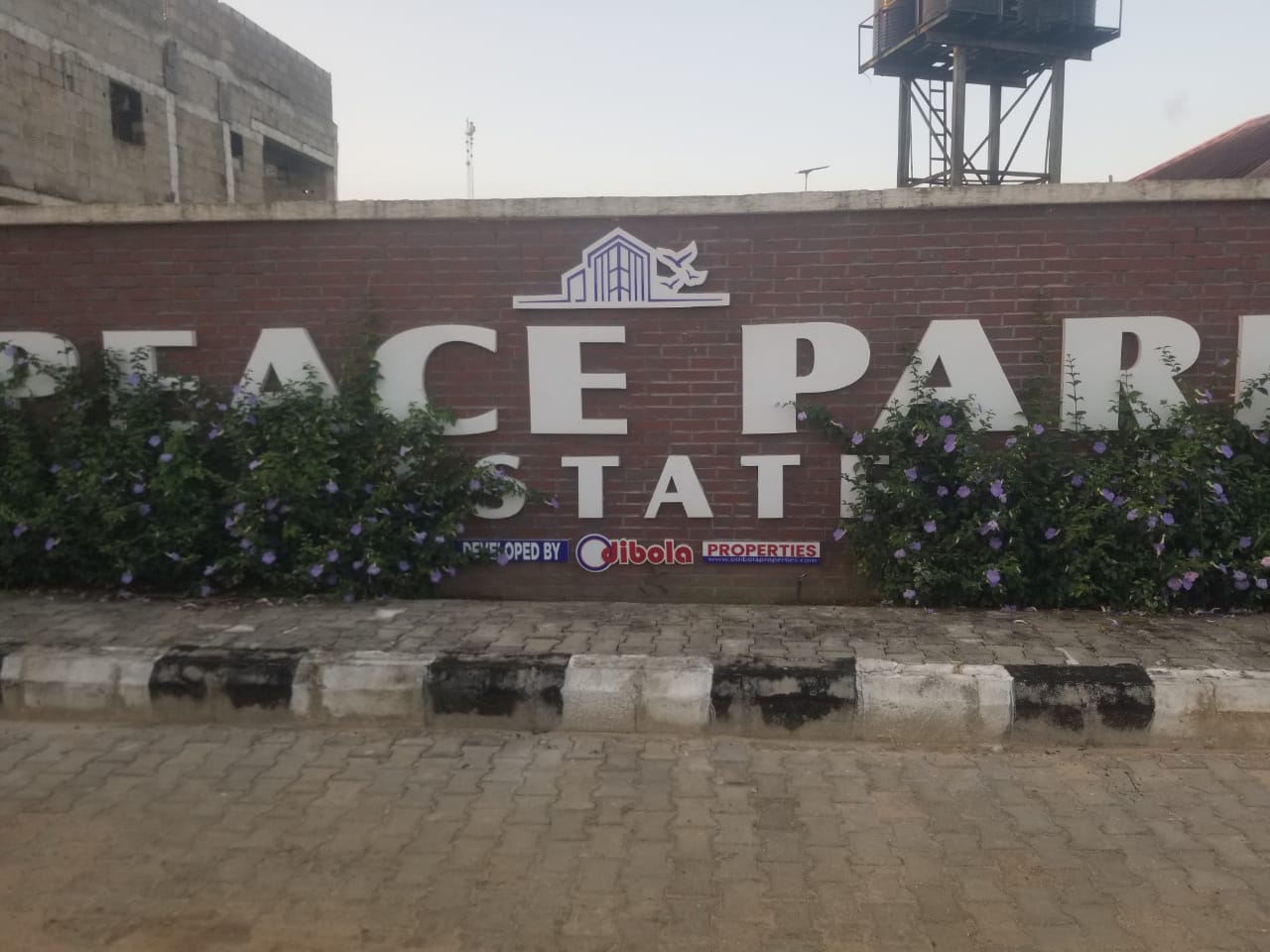
The Amaewhule family of mbodo Aluu in Ikwerre Local Government Area of Rivers State has cautioned members of the public against entering into any land transaction involving a disputed property known as “Ada Oro Fam Land,” located behind the OPM Church along Airport Road.
The family, through its legal counsel, Barrister Ndubuisi Agumagu, issued the warning amid an ongoing legal dispute over the ownership and control of the property, which is said to comprise more than 900 plots of land.
The matter is currently before the Isiokpo High Court of Rivers State in a suit numbered IHC/246/CS/2026, presided over by Justice Sobere Biambo.
The claimants in the suit include Chief Green Amaewhule and others, while Fabulous Amaewhule and Odibola Properties are listed among the respondents.
Counsel to the Amaewhule family, Barr Ndubuisi Agumagu, advised prospective land buyers and members of the public to exercise caution and refrain from purchasing any portion of the disputed property pending the determination of the case by the court.
According to the legal counsel, the property is a family estate belonging collectively to the Amaewhule family, and no individual member of the family has the authority to unilaterally dispose of portions of the land.
The counsel specifically maintained that Fabulous Amaewhule, one of the respondents in the suit, does not have the legitimate authority, according to the family’s position before the court, to sell portions of the disputed property.
The family further warned that anyone who proceeds to purchase land from the respondents while the matter remains before the court would be doing so at their own risk.
It stressed that such buyers could potentially lose their investments should the court eventually deliver judgment against the validity of the transactions.
The legal team said the warning became necessary to prevent unsuspecting members of the public from committing their resources to a property whose ownership and right of disposition are currently the subject of judicial determination.
The family also urged prospective investors, developers and land buyers to conduct proper legal inquiries and obtain independent verification of the status of the property before committing funds to any transaction relating to it.
The Amaewhule family said its position was intended to protect members of the public from possible financial losses and further legal complications while the case remains sub judice, stressing that interested parties should await the final determination of the court.
Akujobi Amadi
-

 Niger Delta12 hours ago
Diri Restates Stance On Lagos-Calabar Coastal Highway
-

 Niger Delta12 hours ago
C’River, NUJ Pay Tribute To Late Guardian Editor
-

 News13 hours ago
NDLEA Recovers Tons Of Illicit Drug Consignments In Nine States
-

 Opinion12 hours ago
Checking Voter Apathy In Nigeria’s Electoral Process
-

 Sports9 hours ago
Nigerian Trio Target Titles At PFL Africa Finals
-

 Education10 hours ago
FCE Yola Graduates 3,555 Teachers , Seeks Upgrade to University
-

 Politics9 hours ago
2027: DICKSON’S EX-ALLY VOWS TO WORK AGAINST NDC INTEREST IN BAYELSA
-

 Politics9 hours ago
2027: GROUP PLEDGES 40,000 SUPPORTERS FOR COALITION CANDIDATES IN RIVERS