
Comment
Again, On VAT Collection


The judgment by Justice Stephen Pam of the Federal High Court in Port Harcourt on the lawful authorities to collect Value Added Tax (VAT) and Personal Income Tax (PIT) has continued to provoke fundamental issues in our polity. The court had on August 8, this year, maintained that only the Rivers State Government and not the Federal Inland Revenue Service (FIRS) was authorised to collect VAT in the state.
Pam had afterwards dismissed FIRS’ application for a stay-of-execution, holding that granting it would invalidate the principle of fairness. That prompted the Rivers House of Assembly to pass a bill on VAT collection. Rivers State Governor, NyesomWike, has also assented to the bill, making now a law in the State. Lagos State has followed suit while many other states have initiated processes of making similar laws in their states.
This goes hand in hand with the fiscal federalism that Nigerians have been calling for all along. Obviously, the VAT law will contribute enormously to an increase in revenue and to the development of infrastructure in the states.
However, soon after the passage of the VAT legislation, a three-man panel of the Court of Appeal sitting in Abuja led by Justice HarunaTsammani, in an appeal filed by the FIRS, ordered all parties to maintain the status quo and refrain from acting in a way that would give effect to the VAT judgment of the Federal High Court. But the stay-of-execution order by the court was mucked up in contention, with some legal experts including Mike Ozekhome (SAN) interpreting it to mean that Rivers State still had the power to collect VAT until determined otherwise.
But in a fresh twist, the Rivers State Government has entered an appeal at the Supreme Court to challenge the order of the Court of Appeal in the VAT dispute between the state and the FIRS. In the suit instituted by a Senior Advocate of Nigeria (SAN), Emmanuel Ukala, alongside three other senior lawyers representing the government, the state is imploring the apex court to set aside the order of the Court of Appeal which directed it to maintain the status quo on the collection of the contentious VAT pending the determination of an appeal filed by the FIRS.
It must be observed that the impudence and impunity earlier demonstrated by the federal agency in compelling firms in the state to remit VAT to it despite losing out in an application for a stay at the High Court are disgusting and reproachable. That act or the thought of it was ill-advised and provocative. Indeed, if the state had followed suit in implementation of the State’s Law on VAT, it would have created a state of anarchy and those who like to blow up issues to paint the state in unsavoury terms to run it down and favour their paymasters would have had a field day.
We therefore salute Governor Nyesom Wike and the State Government for the restraint and maturity exhibited in this matter despite the obvious provocation. As a Federal Government agency, FIRS must constantly ensure that its operations are regulated by the rule of law. After all, Rivers State acted in its right to demand and collect VAT and approached the court for relief and got it. FIRS cannot determine what court order to obey or ignore.
As the feud exacerbates over the VAT collection, the Federal Government has similarly approached the Supreme Court for an ultimate resolution of the row. What is ambiguous in this latest action is whether the suit will not amount to an abuse of court process, as it is already before the Court of Appeal for determination. Also, it is doubtful whether the apex court will assume jurisdiction in the trial, since it had declined magistracy in a related matter between Lagos State and the Federal Government.
Lagos State had sued the Federal Government in 2014, seeking a ruling to repeal the VAT Act because it was outside the legislative remit of the federal authorities to collect the tax. The court, however, ruled in favour of the preliminary objection of the Attorney General of the Federation that the Supreme Court lacked original jurisdiction in the matter as it was a dispute between a federal agency and Lagos State and not between the government in Abuja and the Lagos State Government. This is on the basis that VAT is collected by the FIRS, a federal agency.
Again, it emerged recently that the House of Representatives was contemplating legislation that would further empower states to receive VAT and as well control the resources domiciled in their territory. The bill is titled “An Act to Alter Item 39, Part 1 of the Second Schedule of the 1999 Constitution as Amended to Substitute and Move the Item from the Exclusive Legislative List to the Concurrent Legislative List”, co-sponsored by Hassan Usman Sokodabo and John Dyegh. This move might upset the applecart, as it is bound to strengthen the states in their dispute with the Federal Government.
Just as the disputations rage with court litigation, we uphold the cutting-edge action of legislators from the House of Representatives to side with the states. We recall reported attempts by the Federal Government and its agents in the wake of the VAT controversy to smuggle a bill into the National Assembly to place VAT collection on the Exclusive List. Governors should therefore give countenance to their representatives in the National Assembly in their quest for states to be self-sustainable.
The arguments made in certain quarters that collection of VAT by the states will impoverish many others in the federation are insufficient and do not hold up. Rather, it will promote the establishment of a suitable fiscal federalism.
We believe that the Rivers State Government has a strong case in the current legal wrangling and will surely attain justice if the matter is well adjudicated. Since the essence of the disagreement is about equity, justice and fairness, we also expect that the final court decision on the issue will also enrich the country’s jurisprudence and reinforce how citizens understand and partner with the law.
Indeed, the most outstanding message from the VAT judgment is that the instrumentality of the law which Governor Nyesom Wike exploited can be applied to correct many of the hoarded and accumulated wrongs in our federal structure. The Federal High Court judgment already indicates that the Federal Government has been exercising powers it does not have.
It is patently erroneous that the federal authorities impose VAT on the same goods and services, upon which state authorities still demand ‘state tax’. We likewise think as it is in diverse climes, that the tax on consumption which VAT represents cannot be collected by the Federal Government. We equally question the justification for distributing the proceeds of VAT generated from the sales of alcohol with states that have not only prohibited its consumption, but wilfully obliterate the products.
While we deplore the infinite recourse to ethnic baiting by those who define every question in North-South rhetoric, and perhaps, muddling the waters on the VAT judgment, this is the moment for the FIRS to turn on its thinking cap on how to cope with declining revenues beyond battling for every crumb with the states. The lesson the government in Abuja ought to learn from the reactions to the VAT judgment is any tax system that fails to meet the twin stipulations of efficiency and equity in a disparate nation such as Nigeria cannot survive.



Today, May 27, marks the 59th anniversary of the creation of Rivers State by former Head of State, Yakubu Gowon. The creation of the state in 1967 represented a defining moment in Nigeria’s political evolution and a crucial victory for minority groups seeking recognition, inclusion, and self-determination within the federation. It also challenged the dominance of the old regional structure made up of the Northern, Western, Eastern, and Mid-Western regions.
The decision to create 12 states remains one of the boldest and most far-reaching policies of the military era. It reflected the growing desire among Nigerians for greater autonomy and a more balanced political arrangement. One of Gowon’s principal objectives was to ease fears of regional domination and foster national unity by establishing six states in the North and six in the South, thereby creating a more equitable federal structure.
The original 12 states were North-Western, North-Eastern, Kano, North-Central, Benue-Plateau, Kwara, Western, Lagos, Mid-Western, Rivers, South-Eastern, and East-Central states. Over time, these federating units expanded into the present 36-state structure, giving even greater significance to the historic state creation exercise initiated in 1967.
Before announcing the creation of the new states, Gowon consulted widely with leaders from different regions of the country in a bid to strengthen national cohesion and avert further instability. In the former Eastern Region, agitation for the creation of the Calabar-Ogoja-Rivers (COR) State had become increasingly intense, while in the North, demands from the Middle Belt movement reflected widespread dissatisfaction with the prevailing regional arrangement.
The struggle for the creation of the old Rivers State, now divided into Rivers State and Bayelsa State, began as far back as 1939 and reached its climax in 1967. At the time, the area was administered as part of the Eastern Provinces, with headquarters in Enugu. The region later became the Eastern Region of Nigeria, dominated politically by the Igbo ethnic nationality, alongside several minority groups including the Ijaw, Ibibio, Efik, Anang, Ogoja, Ikwerre, Ibani, Ekpeye, Engenni, Ogba, Kalabari, Nembe, and Ogoni peoples.
Popularly known as the Treasure Base of the Nation, Rivers State occupies a strategic place in the Niger Delta region. The state’s rich human and natural resources, coupled with the resilience and hospitality of its people, have continued to distinguish it nationally. The creation of the state fulfilled the aspirations of its founding fathers, who had long decried the marginalisation of minority ethnic groups within the former Eastern Region.
Since its creation, the state has been led by a succession of military and civilian administrations that have shaped its political and socio-economic development. Military administrators and governors have included Alfred Papapriye Diete-Spiff, Zamani Lekwot, Suleiman Saidu, Anthony Ukpo, Ernest Adeleye, Godwin Abbe, Fidelis Oyakhilome, Dauda Musa Komo, Musa Shehu, and Sam Ewang.
Civilian administrations have equally played vital roles in the advancement of the state. Democratic leaders such as Rufus Ada George, Peter Odili, Rotimi Amaechi, Nyesom Wike, and the incumbent governor, Siminalayi Fubara, have all contributed in varying degrees to the state’s development. Key stakeholders, including traditional rulers, political leaders, technocrats, youth groups, and elder statesmen such as Harold Dappa-Biriye, also played notable roles in shaping the political history and identity of the state.
From the creation of Bayelsa State in October 1996 to important investments in education, healthcare, infrastructure, and human capital development, Rivers State has steadily evolved into one of Nigeria’s most influential states. Its relevance in national politics, contribution to the oil and gas sector, and growing presence in entertainment and commerce continue to reinforce its strategic importance within the federation.
Perhaps apart from the pioneering years of the state, few administrations have altered the physical landscape of Rivers State as extensively as the current government. Through urban renewal projects, rehabilitation of state-owned facilities, expansion of road networks, and ongoing infrastructural development across various communities, the administration of Governor Siminalayi Fubara has sought to address longstanding developmental challenges while pursuing the aspirations of the state’s founding fathers.
The government’s infrastructure drive has particularly improved connectivity in previously inaccessible riverine areas. Communities in Bonny, Andoni, and neighbouring areas are now linked more effectively to the state capital through road projects, while the ongoing Trans-Kalabari Road is expected to open up more economic opportunities for the Kalabari Kingdom and adjoining settlements. The Port Harcourt Ring Road is ongoing as well. These projects have the potential to stimulate commerce, improve mobility, and create new urban centres across the state.
As Rivers State celebrates its 59th anniversary, the political class must seize the moment to reflect deeply on the values that inspired the struggle for state creation. The success of that struggle was made possible because political leaders, traditional rulers, youths, and community stakeholders united around a common purpose rooted in sacrifice, solidarity, and service to the collective good.
Sadly, the famed Rivers spirit of unity and selfless commitment appears to have diminished over the years, replaced in some quarters by bitterness, division, political greed, and unhealthy rivalries. Such tendencies threaten public peace and undermine the progress that generations of Rivers people worked tirelessly to achieve. There is therefore an urgent need for leaders at every level to embrace dialogue, tolerance, and statesmanship in the interest of the state’s continued stability and prosperity.
The sacrifices of the founding fathers should never be forgotten. Their courage, persistence, and activism laid the foundation for the creation of Rivers State and secured a stronger voice for minority groups within Nigeria. Present and future generations must preserve those ideals by pursuing lawful, peaceful, and constructive means of resolving disagreements, recognising that violence and conflict only weaken the bonds that unite the people.
The philosophy behind the creation of Rivers State was rooted in the pursuit of justice, fairness, and equitable representation within the Nigerian federation. Nearly six decades later, questions remain about how fully those aspirations have been realised. Nevertheless, the enduring relevance of the founding vision serves as a reminder that the values of unity, inclusion, and collective progress must continue to guide the state’s development.
As Rivers people commemorate this important milestone, there is every reason to celebrate the resilience, achievements, and enduring spirit of the state. The occasion should inspire renewed commitment among government, indigenes, residents, and stakeholders to build a peaceful, secure, and prosperous society where opportunities abound and future generations can thrive.
The International Monetary Fund (IMF) was founded after World War II to help rebuild economies that were devastated by the conflict. Over the years, the IMF has played an essential role in promoting global monetary cooperation and ensuring financial stability. One of its key functions is providing financial assistance to member countries in need. However, the IMF’s involvement in the domestic affairs of borrowing nations, like Nigeria, goes beyond just providing loans.
Undeniably, Nigeria has maintained a strong partnership with the global financial institution over the years. The organisation regularly guides economic and social policies to the giant of Africa in exchange for financial assistance. While these recommendations often focus on essential fiscal reforms, some critics believe they fail to consider the country’s specific socio-economic challenges, potentially worsening existing issues.
Historically, the Monetary Fund has been criticised for promoting strategies that prioritise Western economic interests over those of the recipient nations. This pattern has led to scepticism and accusations of neo-colonialism. Many believe that the Fund’s policies contribute to a cycle of debt, dependency, and economic vulnerability for the recipient nations, ultimately reinforcing the dominance of the West on the global stage.
Unfortunately, the global financial institution has been advocating for the removal of subsidies in Nigeria, claiming that they hinder economic growth and development. This argument has gained traction recently, with the institution urging the Nigerian government to eliminate all subsidies, especially in the electricity sector. According to the institution, subsidies create market distortions, promote overconsumption, and put a strain on government finances. They believe that removing subsidies would stimulate economic growth by promoting fair competition and reducing the burden on the government.
We strongly disagree with IMF’s proposal to take away subsidies, especially for those on power. These subsidies are essential for the well-being and security of ordinary Nigerians as they impact the cost of living and overall quality of life. In a country facing various socio-economic challenges such as low income, poverty, unemployment and gross income inequality, subsidies help alleviate financial burdens, particularly for those in low-income households. Removing them, as suggested by the IMF, could result in higher living costs, increased poverty levels, and heightened public discontent.
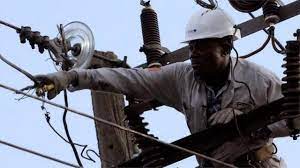
IMF’s admonition is akin to giving the President Bola Tinubu government a rope to hang itself with, given the possible outcome of such a move at this juncture of extreme hardship in the country. Because of the poverty-generating framework of the Nigerian economy, the attempts to completely commercialise the power market have been unsuccessful. Consequently, the Federal Government is obliged to provide financial support through the Nigerian Bulk Electricity Trading Company (NBET) to compensate for the deficit resulting from the inadequate revenue collected by the power companies.
An example of this is seen in 2023 when the power companies managed to gather N783 billion in tariffs out of a total bill of N1.06 trillion. To bridge the gap, the Federal Government had to provide N375 billion in subsidies. Removing this subsidy now would result in consumers having to pay more than 35 per cent extra compared to current rates. Additionally, consumers would need to brace themselves for unpredictable tariff hikes that power companies are eager to implement.
While some argue that full deregulation will attract investors, Nigeria’s experience has shown otherwise. For instance, despite the removal of the petrol subsidy almost a year ago, the promised benefits have not materialised. The Dangote and government refineries, which were expected to lower the cost of petroleum products, are not in production. This highlights the complexities of the Nigerian market and the challenges that come with full deregulation.
For the already terribly afflicted Nigerian masses, the elimination of power subsidies at this time would be very difficult. The withdrawal of fuel subsidy has already caused many businesses to shut down, as the value of the naira continues to decline. Elimination of power subsidy may be the final straw that breaks the camel’s back. The protests that have been occurring, which the government believes are sponsored, could escalate and become unmanageable.
Nigeria is already struggling with recent changes in electricity and exchange rates, so the Bretton Woods Institutions’ harsh demands are placing the nation in a risky situation. The additional burden of higher electricity tariffs could severely impact the competitiveness of the nation’s manufacturing sector, which is already facing defiances such as low productivity, high costs, and inadequate infrastructure.
Both the IMF and the World Bank have demonstrated insensitivity and hypocrisy in their policies towards Nigeria. They have failed to consider the impact of their suggestions on the welfare of Nigerian workers and the general population. They must understand that there is a correlation between the purchasing power of the people and their ability to afford essential services like electricity. The government must be cautious in heeding their advice, as the abdication of electricity subsidies could worsen the current economic crisis. Policies should be implemented with the well-being of the people in mind.
The official exchange rate for the dollar was N464.51/$1 before the removal of the fuel subsidy on May 29, 2023. Today, it is about N1,650 -$1 in the parallel market. This crisis has led to high inflation, pushing up prices of goods and foodstuffs. Therefore, Nigerian leaders should take advice that will assuage the sufferings of the citizens and better their lives. They have to address the economic remonstrances facing the country and find solutions that will benefit the people. Nigerians can no longer absorb any further shocks because of the difficulties of the times.

Nigeria is currently grappling with a frightening health crisis. A critical concern that has dramatically escalated is the burgeoning prices of medicines, rendering them inaccessible to the majority of the population. The grim reality is that Nigerians battling various health challenges are in a perilous situation, their lives hanging in the balance owing to the soaring costs of vital drugs. Potential solutions do not lie in the government’s customary tokenism but demand a potent emergency response.
Since the assumption of office by President Bola Tinubu, the nation has experienced a steady depreciation of the naira against the US dollar and other major global currencies. The deregulation of the foreign exchange market has ignited a chain reaction culminating in several economic emergencies, one of the most severe victims being the healthcare delivery system.
Economic parity between the naira and other foreign currencies has resulted in the skyrocketing prices of necessary medications. The devaluation of the naira implies that importing pharmaceutical necessities has transformed into a cumbersome and expensive process. The deregulation of the forex market has only compounded the predicament. The pecuniary burden on the common man has intensified manifold as pharmacies and drug stores inflate the costs of medicines to retain their profit margin.
With the big pharmaceutical companies shutting their doors, the situation is getting worse. This is mostly because of the unfriendly business climate. This unfavourable milieu, twinned with other systemic challenges, pushes medical professionals, from doctors, and nurses to paramedics, to emigrate to Europe, the United States, Canada and Saudi Arabia, among others, in pursuit of improved remuneration and work conditions. The current era is posing a tough obstacle for those who fall ill in the nation.
As the drug manufacturing giants cease operations, the dearth of critical drugs, coupled with uncontrollable inflation, sees the expenditure on healthcare skyrocketing, and the country is bearing the brunt. Life-saving drugs such as antibiotics, analgesics, and hypertensive and anti-diabetic medicines have witnessed an unprecedented price increase between 400 and 500 per cent. What once was a common and affordable antibiotic, Augmentin, which used to cost a mere N3,500, now carries a staggering price tag of over N30,000.
Given the alarming scenario, for those who survive on the minimum wage, and the 133 million Nigerians recognised as multidimensionally poor, falling ill could well bring about the end of times. Their economic incapacity to afford such high drug prices leaves them with no resort but preventive measures. Becoming a victim of sickness amounts to being trapped in a troubling and implausible situation that might have no practical and viable solution.
The healthcare sector, particularly the pharmaceutical industry, is currently facing remonstrances such as a reliance on imported drugs and the departure of GlaxoSmithKline from Nigeria after 51 years of operation. This situation, combined with the instability of Nigeria’s economy, raises uncertainties about the availability of pharmaceutical products and their potential impacts. Multinational companies like GSK are finding it more and more difficult to repatriate their sales proceeds to their home countries because of the nation’s economic quagmire.
Statistics reveal that an alarming approximately 70 per cent of drugs consumed within the country are imported, as corroborated by the Pharmaceutical Society of Nigeria. Unveiled investigation exposes a ghastly reality about three interrelated problems; the deluge of fake and substandard products, comparatively weak regulatory oversight, and a combination of porous borders with corrupt customs personnel.
The ongoing decrease in Nigeria’s drug importation attributed to forex pressures creates a domino effect impacting the country’s public health directly. With food inflation also soaring simultaneously, the populace, already off balance, is left grappling with basic healthcare needs; consequently, they turn away from quality drugs and treatment to patronise quacks and fake drug vendors.
This scenario left unaddressed, can potentially snowball into an extensive and uncontrollable public health crunch, aggravating the existing socio-economic predicament. Thus, it is essential that the catastrophe is recognised accurately in all its dimensions and that relevant policies of the government focus on alleviating both the forex pressures and their resultant detriments to public health.
The authorities have a responsibility, with one of the most important being the health of its citizens. One issue that manifests as a poignant ‘cri de coeur’ is the affordability of prescribed drugs for ordinary Nigerians. Facing an uphill battle with the exponential rise in the cost of goods and services, the common man struggles to reclaim and retain control over one of the fundamental aspects of life — health. The prohibitive costs of necessary medications, and life-saving drugs, have snowballed into a national concern.
Our appeal to the Federal Government is straightforward; the high cost of drugs should no longer serve as a death sentence for citizens. Subsidising essential medications for Nigerians will allow them to combat serious diseases and regain hope, creating a more robust and healthier society. Therefore, those in authority must demonstrate their commitment by walking their talk to ensure that Nigerians have a fair chance at survival.
President Tinubu’s government must take immediate action to address the high drug prices in our nation. Prioritising healthcare accessibility, implementing price controls, supporting local drug production, and strengthening public healthcare infrastructure are essential steps that have to be taken. Nigerians urgently need improved access to health insurance, encouragement to the use of safe and effective generic drug s to reduce costs, and education on the issue including policy modifications.
-

 Rivers2 days ago
Police arrest 3 suspects over killing of driver in Rivers
-
Politics2 days ago
I DIDN’T PROMISE YOU TICKETS, AKPABIO TELLS APC SENATORS WHO FAILED PRIMARIES
-

 News2 days ago
FUBARA ASSURES NUT OF SECURITY OF SCHOOLS IN RIVERS
-

 News2 days ago
NDLEA Arrests Four Notorious Female Drug Dealers In Four States
-

 Sports2 days ago
Okpekpe Road Race Gets Mobility Solutions, Fan Engagement
-
Politics2 days ago
Court Dismisses Rivers PDP Members’ Suit Over LG Election Candidates
-
Politics2 days ago
POST PRIMARIES: IKWERRE MONARCHS ADVOCATE ISSUES-BASED POLITICS IN RIVERS
-

 News2 days ago
WORLD FOOD SAFETY DAY: VETERINARIANS TASK GOVT ON MODERN ABATTOIR IN RIVERS