
Business
World Bank Tasks Nigeria, Africa on Trade Barriers

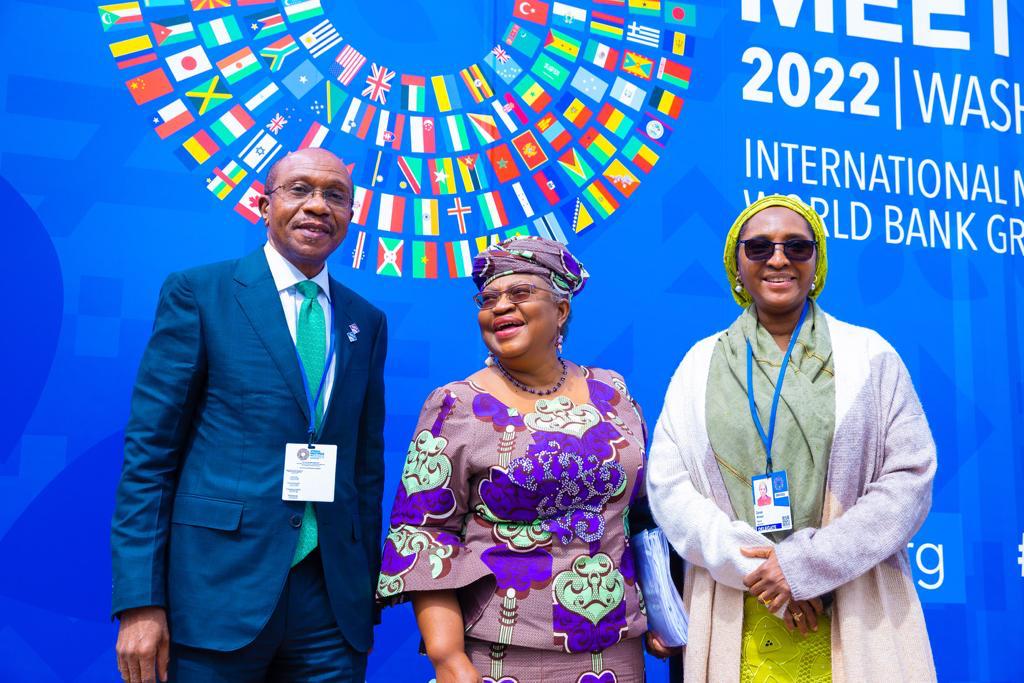
The World Bank Group has urged Nigeria and other African countries to solve the non-tariff barriers and hurdles affecting cross-border goods crossings.
According to the world banking institution, these barriers must be addressed to reap the benefits of the African Free Trade Area (AfCFTA).
In a new report titled, “Can African trade integration be a game changer?”, obtained at the weekend, the institution noted that the AfCFTA, which hopes to connect 54 countries with a combined population of 1.3 billion and GDP of $3.4trn, has several challenges to overcome.
It noted that African businesses should also see the opportunities as its research suggests that the agreement has the potential to bring significant economic and social benefits in the form of faster economic growth, higher incomes, and less poverty.
The World Bank also stated that in addition to ministries of trade involved in the negotiations, other government agencies in each country should also become familiar with AfCFTA and learn the key role they may be called to play in its implementation on the ground.
It added that tackling non-tariff barriers and hurdles affecting cross-border crossings of goods was paramount, as well as reducing barriers to trade in services because each country has its own regulations covering industries such as logistics and transport, financial services, tourism, and communications.
“The agreement faces several challenges. However. the African private sector, including SMEs that could benefit from AfCFTA, should become more familiar with the different chapters of the treaty and learn how the topics addressed – such as the liberalisation of trade in services – can be leveraged to boost their businesses.
“So, signing the agreement is just the first step. It will take much more to unlock AfCFTA’s potential gains in trade, investment, and jobs.
“African nations will need to support the AfCFTA Permanent Secretariat, based in Accra, Ghana, which is charged with administering the agreement.
“Domestic laws and regulations will need to be harmonised with the agreement’s protocols on investment, intellectual property rights, competition and digital trade”, the report stated.
To reap the gains of the agreement, the World Bank emphasised that stakeholders must encourage progressive liberalisation of cross-border trade and investment policies in line with AfCFTA protocols to establish the groundwork for regional value chains in Africa.
It also advised member states to strengthen cross-border trade and investment in services by facilitating trade in digital services, removing FDI restrictions, and liberalising the movement of workers.
“It is now up to the member states and champions within to lead working together with the private sector and civil society, to ensure that the promise of the AfCFTA can finally be a game changer for Africa and reap its many benefits for its people,” the report read further.
By: Corlins Walter



Business
Jonathan, Diri, Others Laud Firm’s Milestone in Bayelsa …Says Project Will Drive Industrialisation, Create Jobs



-

 News2 days ago
RSG Targets Nine Million Residents in Mosquito Net Distribution Campaign
-

 Oil & Energy2 days ago
Aiyedatiwa Signs New Electricity Bill
-

 Maritime2 days ago
Marine Minister Commends President Tinubu On NPERA Bill Assent
-

 Oil & Energy2 days ago
NLNG Commissions Research And Innovation Centre In RSU
-

 News2 days ago
KenPoly Holds Eight Convocations, August 29
-

 News2 days ago
RSG Begins Another Phase of Projects Commissioning Today
-

 News2 days ago
RMAFC Completes Revenue Sharing Review, Proposes New Pay
-

 Maritime2 days ago
NAGAFF Petitions IGP Over Alleged Maritime Police Harassment