
Business
Why Buhari Declined Assent To Nigeria’s Auto Policy -Aide

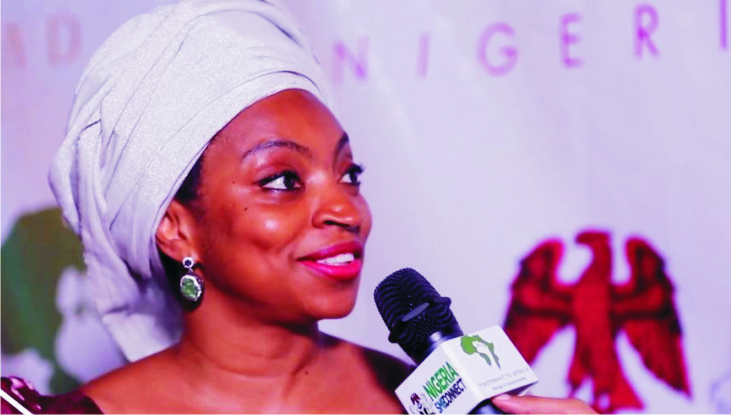
Special Adviser to the President on the Ease of Doing Business, Dr Jumoke Oduwole, has given reasons for the delay in the signing of the much-awaited National Automotive Industry Development Plan (NAIDP) Bill.
Oduwole, who also doubles as the Secretary, Presidential Enabling Business Environment Council (PEBEC), said the auto policy was critical to Nigeria’s economy.
Oduwole, the keynote speaker at the launch of the “Autoprenuer Programme” by Nigeria’s leading automotive trading platform, Cars45, in Lagos, recently said that the government was doing all within its power to set the economy on the right path.
On the auto policy, he said that President Muhammadu Buhari knew the importance of the policy to the manufacturing sector in Nigeria hence, there was a need for wider consultations to make it all-encompassing.
The Tide recalls that President Buhari had declined assent to the NAIDP bill after four years of legislative process.
The bill provides for a 10-year tax incentive for the auto industry and other incentives to attract investment in the sector.
Oduwole, however, argued that the bill should be in tandem with the realities of the comparative economic values.
“There is need for a policy that will take us to where we want to be. Nigeria just signed African Continental Free Trade Area Agreement (AFCTA).
“We need an auto policy that will be enduring; we don’t want a policy that we will have and after few years, we will need to change it and that is why we are calling for more contributions.
“We are doing that so as not to take away from those that have invested in it now. We are looking at the sector now because we want to compete with the whole continent.



-
News4 days ago
Rivers Court Jails Man Seven Years For Defiling Minor …Directs N5 Million Upkeep For Victim
-
News4 days ago
Alleged Coup Plot: DSS Docks Five For Hiding Sylva’s Whereabouts
-
 Politics4 days ago
Atiku Names Kenneth Okonkwo As Spokesperson
-
Niger Delta4 days ago
24 Nigerian Universities Make 2026 THE Rankings … 4 S’South Versitieis Pull Through
-
 News4 days ago
FG To Replace NYSC Khaki With Adire
-
News4 days ago
BOI Unveils Maiden Impact Report, Disburses N644.9bn In 2025
-

 News4 days ago
Fubara Seeks Full Resolution Of Bille Gas Leakage …Pledges Upgrade Of Community Health Centre
-
Women4 days ago
NAWOJ Seeks Partnership With Hotel Presidential On Summit