
Business
US Votes $12.5m For Food Security In Nigeria

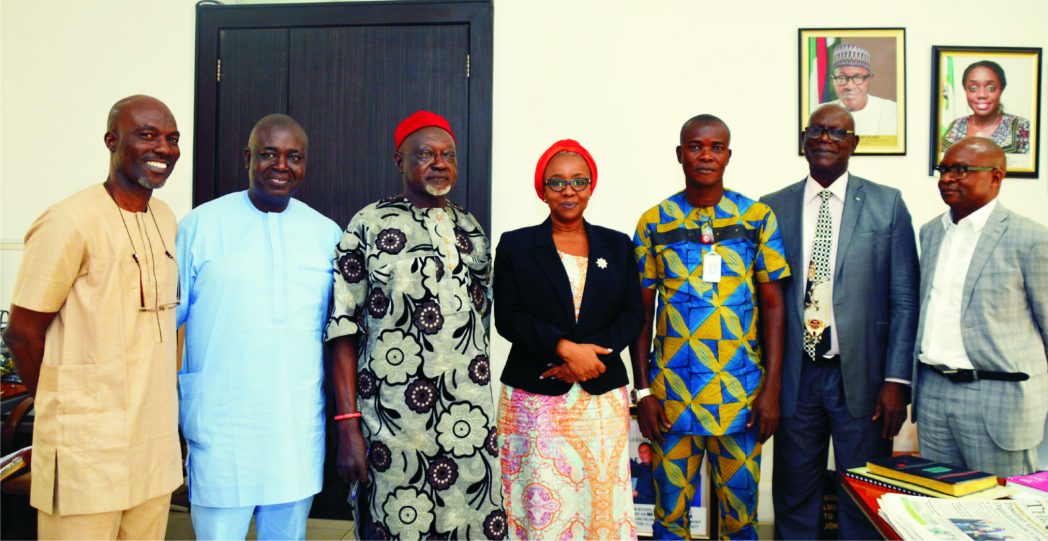
The Feed the Future, a United States government global hunger and food security initiative, has earmarked 12.5 million dollars for food security in Nigeria.
Dr George Mavrotas, Head of IFPRI Nigeria office, said this in an interview with newsmen on yesterday in Abuja.
Mavrotas, who is also the Chief of the Project, the Feed the Future Nigeria Agricultural Policy Project, said that the fund which has been released since 2016 would cover various agricultural and food security programmes in Nigeria for the next five years.
Nigeria Agricultural Policy Project is designed to address the need for policy research and capacity building and to ensure that Nigeria institutions are equipped to respond effectively to increase capacity, knowledge and information needs of the policy makers.
He explained that the initiative was a joint effort between the Michigan State University (MSU), International Food Policy Research Institute (IFPRI), and Nigeria Strategy Support Programme (NSSP) funded by USAID-Nigeria.
Mavrotas said that the initiative has three main objectives, which includes strengthening of the National capacity for greater evidence based policy process in agriculture. Others are to promote and foster informed policy dialogue among stakeholders and support government efforts to improve their capacities to plan and implement effective research and policy analyses.
Others are to promote and foster informed policy dialogue among stakeholders and support government efforts to improve their capacities to plan and implement effective research and policy analyses.
He noted that the project would undertake three components that would enhance Nigeria’s policy capacity; fill the knowledge gaps in the policy process and improve policy dialogue process to achieve its objectives.
The Chief of the Project said that the project is taking a robust approach to enhance skills, training and institutional capacities for meeting the demands for policy analysis by the Federal Ministry of Agriculture and Rural Development (FMARD), IFPRI and MSU.
He added that the components would also include policy driven collaborative research analysis to strengthen local capacities and dialogue by undertaking policy research and analysis.
Mavrotas, however, added that the component would ensure that the project address policy impact through increased and targeted policy communications.



Business
Jonathan, Diri, Others Laud Firm’s Milestone in Bayelsa …Says Project Will Drive Industrialisation, Create Jobs



-

 News4 days ago
RSG Targets Nine Million Residents in Mosquito Net Distribution Campaign
-

 Oil & Energy4 days ago
Aiyedatiwa Signs New Electricity Bill
-

 Oil & Energy4 days ago
NLNG Commissions Research And Innovation Centre In RSU
-

 Maritime4 days ago
Marine Minister Commends President Tinubu On NPERA Bill Assent
-

 News4 days ago
KenPoly Holds Eight Convocations, August 29
-

 News4 days ago
RSG Begins Another Phase of Projects Commissioning Today
-

 News4 days ago
RMAFC Completes Revenue Sharing Review, Proposes New Pay
-

 Maritime4 days ago
NAGAFF Petitions IGP Over Alleged Maritime Police Harassment