Nation
Ogun PDP Chairman, Adebutu Trade Blames Over Electoral Defeat
The Chairman of the Peoples Democratic Party (PDP) in Ogun State, Sikirullai Ogundele, yesterday, heaped the blame of the party’s loss of the 2023 governorship election on the alleged highhandedness of its governorship candidate, Ladi Adebutu.
Ogundele made the allegations while addressing members and leaders of the party during a meeting held at the party’s secretariat in Abeokuta, the state capital ahead of the party congress.
He accused Adebutu of being responsible for the crisis in the party, saying the reason the party was not in government was because of Adebutu’s high-handedness and disregard for party leadership.
He said, “The reason why we are not in power today is because of Hon. Ladi Adebutu. 90 per cent of the reasons why we are not in government today were caused by Hon. Ladi Adebutu and this is because of his high-handedness. He does not listen to anybody’s advice.
“Adebutu has been the major reason why the party has been failing since the 2019 election. I don’t think Adebutu himself is interested in becoming the governor.
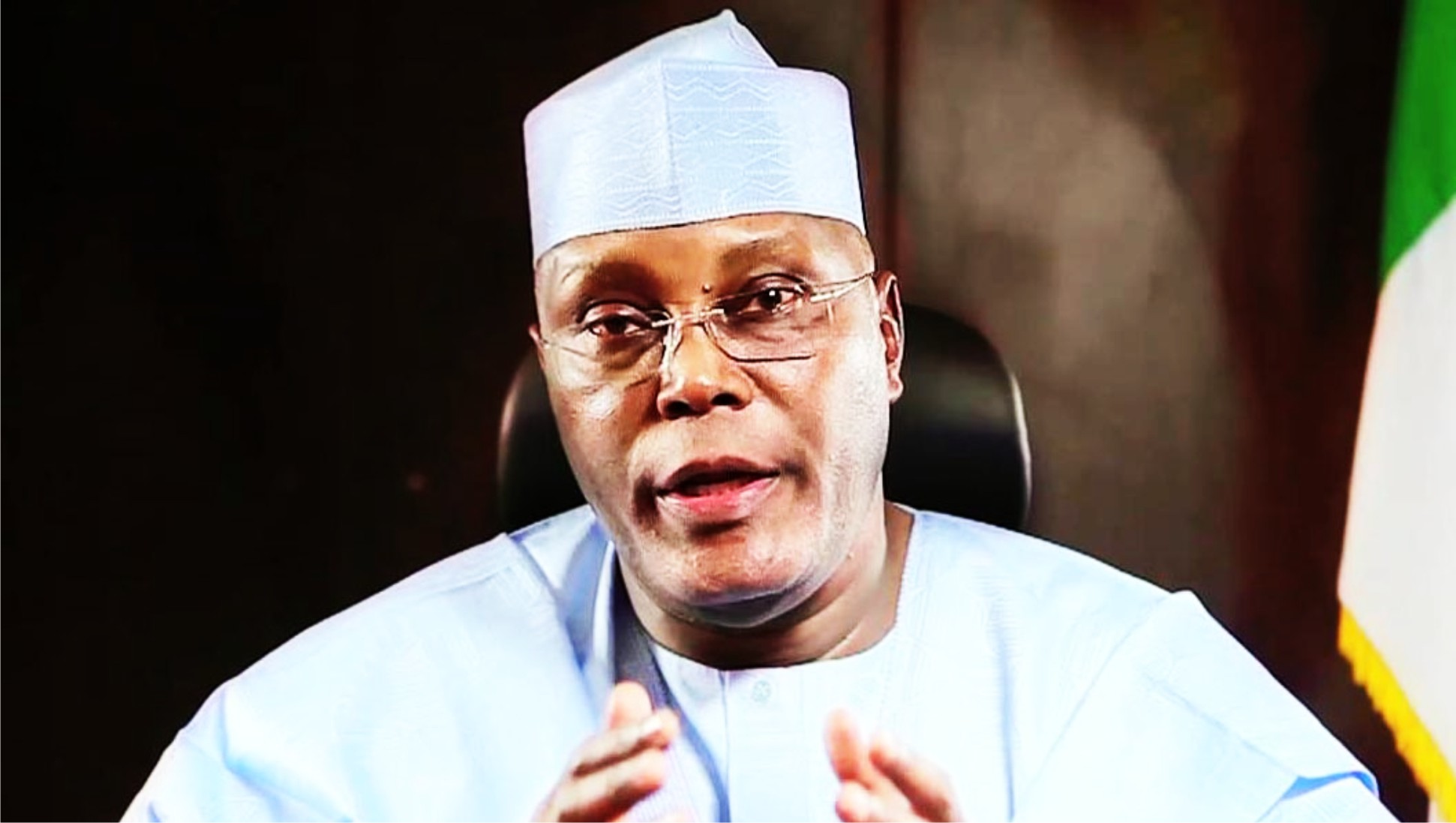
“Atiku came to Abeokuta twice to plead with Adebutu that we should put OGD (former Governor Gbenga Daniel) on the ballot, but he refused. If we had put OGD (Daniel) on the ballot, the party would have won many seats at the election.
“Everybody was aware that Atiku came to Ogun State twice to beg him (Adebutu). Obasanjo too begged him, but he refused to shift ground.”
He has however vowed to rescue the party’s structure from Adebutu, insisting that the PDP is not anybody’s personal property.
Ogundele said the PDP must be seen and run as a political party that is fair and just to every member irrespective of their financial status or position.
Also speaking, the deputy governorship candidate of the party at the 2023 election, Adekunle Akinlade, said the party must be better repositioned to defeat the ruling party in 2027.
“What we are saying is that if we must win or perform differently in 2027, we must reposition this party. We must bring in everybody to this party, we must make everybody feel comfortable that this party is for all of us.
“We must put the past behind us, we must put 2023 behind us and forge a strong front that can allow us to face whatever the future holds.
“The party must be more disciplined and our leaders must have the right temperament and good character”, Akinlade said.
But reacting, Adebutu described Ogundele’s outburst as nothing but a “foul cry from a man after his gains”.

Nation
UNIZIK Honours Business Mogul, Ezekwe, For Philanthropism
Nation
Don Calls For National Forensic Data Bank To Combat Rising Crime
The Head of the Department of Anatomy at the University of Port Harcourt’s College of Health Sciences, Prof Gabriel Sunday Oladipo, has underscored the urgent need for Nigeria to develop a comprehensive forensic science infrastructure, warning that the nation’s ability to investigate and solve crime is being hampered by lack of scientific data and systems.
In his inaugural lecture titled, “Man: Fearfully Different, Wonderfully Made,” delivered as part of the 207th Inaugural Lecture Series of the university, Prof Oladipo highlighted that while no two individuals are exactly the same, the country currently lacks the robust systems needed to collect and manage biological and anthropometric data that could support criminal investigations.
He explained that the natural variations among humans — from fingerprints to physical measurements — form the foundation of personal identification in forensic work. These biological differences, he said, are essential for distinguishing one person from another, especially in the context of criminal investigations where clarity of identity can mean the difference between justice and impunity. Without this scientific foundation, he argued, law enforcement agencies lack a critical tool in the fight against crime.
Experts have noted that Nigeria’s forensic science capacity has historically lagged behind needs, with only a few forensic facilities available and many law enforcement agencies struggling to access or use scientific evidence effectively. One review of the state of forensic investigation in Nigeria found that outdated facilities and limited adoption of modern forensic methods have left many cases unsolved or poorly investigated, even as crime rates rise across the country.
In Lagos, efforts to improve forensic capabilities have focused on DNA analysis, with the Lagos State DNA Forensic Centre — the first of its kind in West Africa — providing critical support for criminal investigations and helping to identify human remains, link related cases, and assist with paternity testing. However, such initiatives are yet to be replicated at a national scale, leaving many regions without access to these vital scientific tools.
Prof Oladipo’s lecture went beyond academic theory to propose concrete actions. He called for the establishment of a National Institute of Forensic Science responsible for creating and managing a nationwide anthropometric and forensic data bank. This repository, he stressed, would significantly enhance Nigeria’s capacity to track crime, assist law enforcement agencies, and improve the administration of justice by providing reliable scientific evidence for investigative and legal processes.
He also highlighted the importance of strengthening research and training in forensic science. Many Nigerian universities currently lack the funding and infrastructure to offer complete undergraduate or postgraduate programs in areas such as forensic anthropology, DNA analysis, and crime scene investigation, a gap that forces aspiring experts to rely on collaborations with institutions abroad. By fostering a research-friendly environment and securing greater support from both government and private sectors, Nigerian institutions could produce homegrown experts capable of advancing forensic science in the country.
Awareness of forensic science’s role in criminal justice remains low among the general public and even among some security professionals. Studies have shown that a significant portion of Nigerians are unfamiliar with basic forensic concepts or the existence of tools such as DNA profiling and national forensic databases — tools that are common features of criminal justice systems in countries like South Africa and the United Kingdom.
Prof Oladipo also urged regular training and retraining programs to keep forensic practitioners updated with evolving scientific methods. According to him, continuous professional development is critical in a field where technological advances — from biometric databases to digital forensic tools — are transforming how crimes are investigated and solved.
The lecture was attended by academics, students, and professionals drawn to the intersection of science, identity, and justice, all of whom heard the professor make a compelling case for scientific innovation and institutional reform as central to Nigeria’s effort to contain crime and strengthen its justice system.
The event not only showcased Prof Oladipo’s expertise in human anatomy and forensic psychology but also positioned forensic science as a strategic national priority — one that could bring clarity to investigations, support victims and their families, and ultimately enhance public safety across Nigeria.
Nation
UPWA Hosts Colourful Inter-House Sports Fiesta
The University of Port Harcourt Women Association (UPWA) on Thursday staged a vibrant and memorable edition of its Annual Inter-House Sports Competition at the University of Port Harcourt Sports Village, drawing an impressive turnout of pupils, parents, staff and invited guests.
The event, organised by the UPWA International Group of Schools, brought together children from the pre-nursery, nursery and secondary sections in a colourful celebration of youth athleticism, discipline and teamwork. The arena came alive with cheers and excitement as pupils, clad in their various house colours, marched in a ceremonial parade before proceeding to compete in a wide range of track and field events, relays, novelty races and other team-based activities designed to promote physical fitness and healthy competition.
Declaring the competition open, the Vice-Chancellor of the University of Port Harcourt, Professor Owunari Georgewill, commended UPWA for sustaining a tradition that continues to nurture young talents beyond the classroom. He noted that sports remain a critical component of holistic education, helping to build resilience, confidence, leadership skills and social interaction among children.
In her remarks, the President of UPWA, Professor Udeme Georgewill, expressed appreciation to parents, teachers and members of the organising committee for their dedication and sacrifice in ensuring the success of the programme despite prevailing economic challenges. She described the event as a reflection of unity and collective effort within the school community.
“This is the first time White House is emerging overall winner, and that shows remarkable improvement and great sportsmanship,” she said. “We all had fun. It is not easy putting an event like this together considering the economic situation, but we are grateful to the parents for being part of this journey. The excitement everywhere is truly heartwarming.”
The competition featured spirited participation from the various houses, including Purple House, San Chicago Red House and White House, with pupils demonstrating strength, speed, coordination and teamwork. Parents and supporters filled the stands, cheering enthusiastically and adding colour to the spectacle, while teachers ensured orderliness and safety throughout the proceedings.
Professor Georgewill emphasized that the true essence of sports lies not merely in winning trophies but in participation and personal growth. “Sports is not just about winning. It is an avenue for growth, discipline and opportunity. The fact that a child is able to participate is already a win. Losing this year does not mean you cannot win next year. Keep trying,” she encouraged, urging pupils to see both victory and defeat as stepping stones to greater achievements.
She further observed that while there are many competing interests in the Nigerian sports sector, consistent grassroots investment remains essential for discovering and nurturing future champions.
The colourful ceremony culminated in medal presentations, trophy awards and group photographs, with UPWA executives, including Vice President I, Professor Adedamola Onyeaso, joining the participating teams to celebrate the day’s achievements.
The annual inter-house sports competition continues to stand as one of UPWA’s flagship events, reinforcing its commitment to balanced education, character formation and the promotion of healthy lifestyles among its pupils.