
Business
Global Commerce: Nigeria Picked As Africa’s Rep

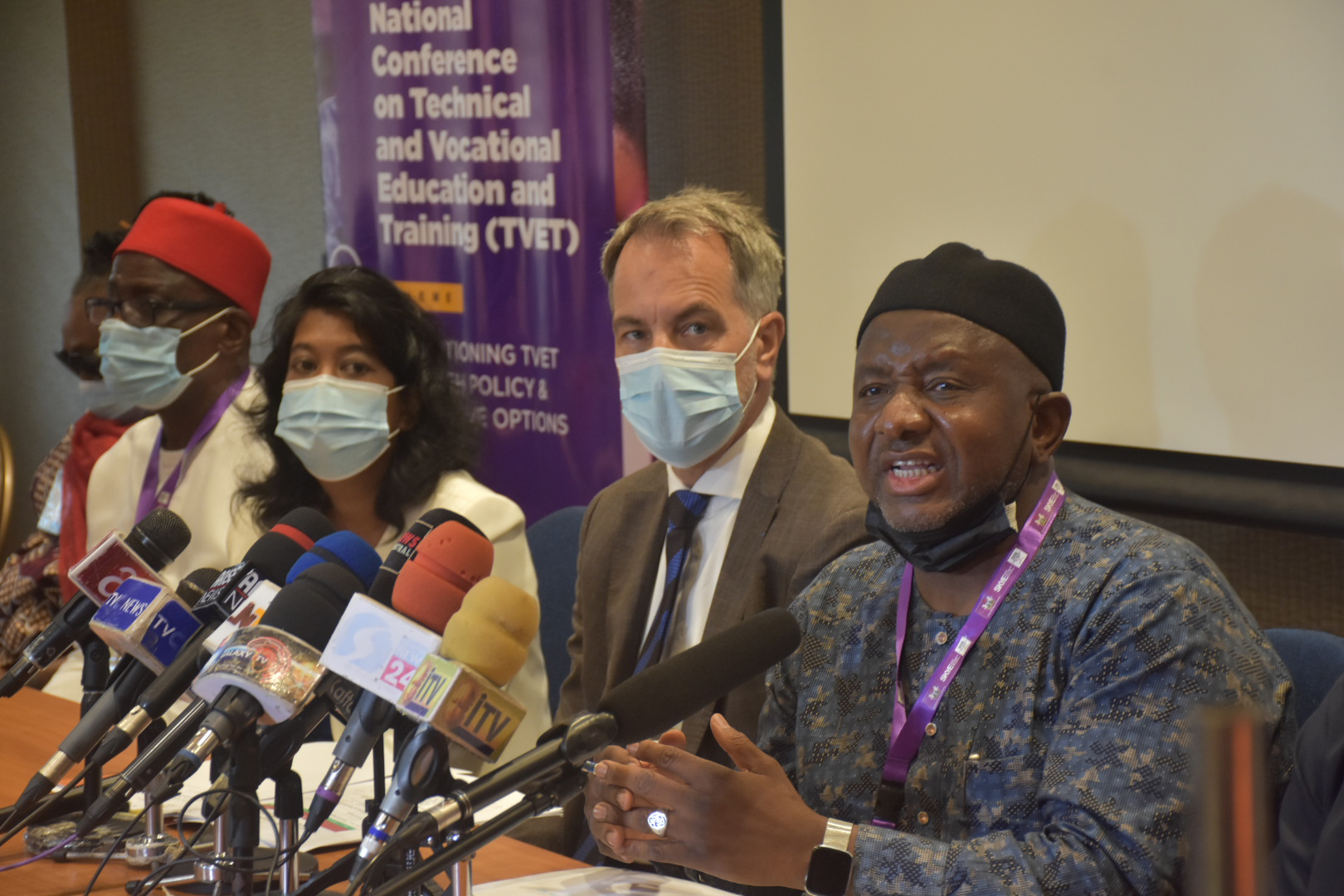
National President and Council Chairman, Nigerian Association of Chambers of Commerce, Industry, Mines and Agriculture (NACCIMA), Ide John Chinyelu Udeagbala, will be representing Nigeria and Africa at the International Chamber of Commerce (ICC) World Chambers Federation (WCF) to promote MSME development.
This is coming on the heels of Udeagbala’s appointment to serve as an Ex-Officio member of the Council of the ICC World Chambers Federation, effective from January 2023.
Udeagbala will be working with Chamber Executives globally in supporting MSMEs in collaboration with ICC and contributing to the strategy to develop and reinforce chamber community.
Over 100 country members of the ICC World Chamber Federation (ICC-WCF) voted in the past few weeks to elect members into the Council of the ICC-WCF.
The World Chambers Federation (WCF) is ICC’s unique and truly global forum connecting, leading and inspiring the global network of chambers and their respective business communities.
In addition to strengthening links among chambers, as a non-political, non-governmental body, WCF is the backbone of the chamber community providing a platform for chamber leaders to communicate and collaborate with each other on matters of mutual interest and facilitating beneficial partnerships.
A statement announcing Udeagbala’s appointment said as President of NACCIMA, he has built bridges with chambers across the globe and formed formidable partnerships with Chambers of Commerce in Africa, Europe, Asia and the Americas.
He also led a delegation of some Nigerian Chambers of Commerce members to the 12th World Chamber Congress (WCC-12) in Dubai, where he recommended Global Fund purse to support Chambers across the world to mitigate emergency occurrences such as the effects of COVID-19, flooding and other consequences of Climate Change on businesses.
Before becoming NACCIMA President, Udeagbala had served as President of state and regional chambers of commerce, industry, mines and agriculture within the country.
His vision is to connect and bring all Small and Medium Enterprises (SMEs) in Africa to the global stage for mutual benefits of all and ensure Africa contributes meaningfully towards mitigating impact of global warming arising from climate change.
He is committed to the advancement of WCF’s global goals.



-
 Education20 hours ago
FCE Yola Graduates 3,555 Teachers , Seeks Upgrade to University
-

 Niger Delta23 hours ago
Diri Restates Stance On Lagos-Calabar Coastal Highway
-

 Sports20 hours ago
Nigerian Trio Target Titles At PFL Africa Finals
-

 Niger Delta23 hours ago
C’River, NUJ Pay Tribute To Late Guardian Editor
-

 News24 hours ago
NDLEA Recovers Tons Of Illicit Drug Consignments In Nine States
-

 Opinion22 hours ago
Checking Voter Apathy In Nigeria’s Electoral Process
-

 Politics20 hours ago
2027: DICKSON’S EX-ALLY VOWS TO WORK AGAINST NDC INTEREST IN BAYELSA
-

 Politics20 hours ago
2027: GROUP PLEDGES 40,000 SUPPORTERS FOR COALITION CANDIDATES IN RIVERS