
Business
Bizman Makes Case For Automotive Intervention Fund

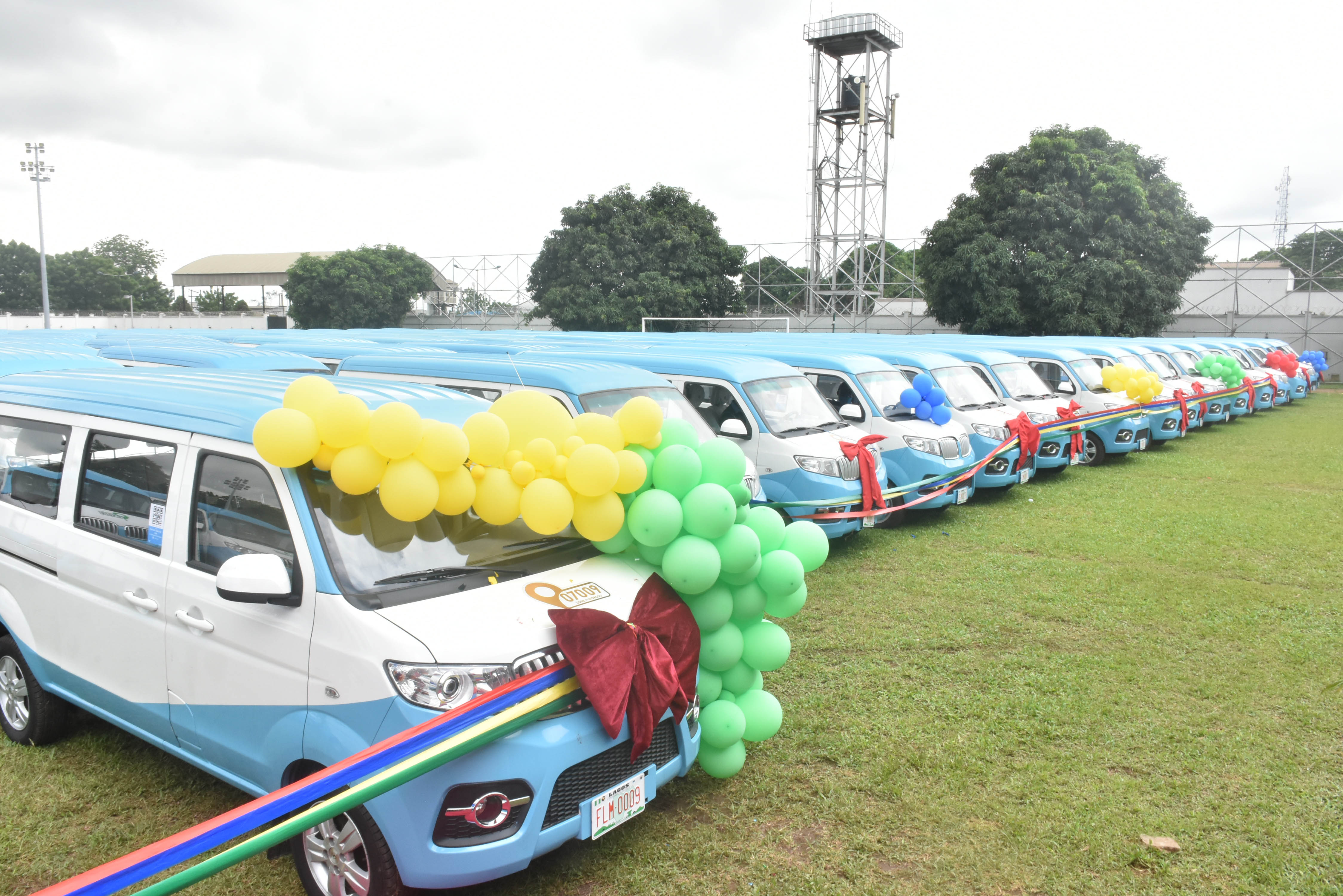
A business executive and dealer in the automotive industry, Engr. Aminu Mahmood, has made case for the provision of Auto Intervention Fund, to support the development of locally assembled automobile and spare parts companies in the country.
According to him, it has become imperative for government to give such support to operators of the industry, given the negative impact of Covid-19 pandemic.
Mahmood, while speaking to aviation correspondents on arrival at the Port Harcourt International Airport, Monday, said that there was an urgent need to revive the assembly plants or expand their operations.
“This is necessary because of the importance of the automotive industry to national development, especially in terms of employment and technology transfer.
“Apart from funding for intervention and bailouts, without patronage, the capacity of the industry will not be increased and employment will not be created.
“Nigeria has come a long way, yet not much have been achieved in the automobile manufacturingand engineering, so we need to improve”, he said.
The auto industry business executive,however, applauded the impact made by some automobile companies like the Innoson motors, and PAN in the development of the Nigerian automotive industry.
He regretted the removal of automotive levy in 2007, which he said, would have given more impetus to the development of the industry.
According to him, the industry would only thrive if there is good patronage from Nigerians, especially from government agencies, rather than relying on importing second hand vehicles with the associated hazards.
By: Corlins Walter



-

 Business1 day ago
NERC Amends Order on Meter Tampering, Power Bypass For Discos
-

 News2 days ago
Police Arrest Nigerian, Two Others For Kidnapping In Edo
-

 Business1 day ago
Nigeria, AFC sign $1.3 billion deal to build alumina refinery
-

 Rivers1 day ago
KENPOLY Rector Promises To Prioritise Students’ Welfare
-
 Business1 day ago
NCDMB Signs Mgt Deal With Radisson, Edison…As Board’s 204 Rooms Hotel Open December 2026
-

 Rivers1 day ago
Don, Stakeholders Urge Environmental Laws In N’Delta
-

 Rivers1 day ago
ADIAFRICA Flags-off Free Eye Screening Outreach In PH
-

 News2 days ago
NDLEA Arrests Ex-Councillor With 40kg Skunk, Recovers Drugs In Diapers