
Business
‘Textile Alone Can Generate 2.5m Jobs’

The Vice President of Industrial Global Union, Mr Issa Aremu, has said that the textile industries alone can generate over 2.5 million jobs in Nigeria if rejuvenated.
He said the Federal Government could create 100 million jobs over the next 10 years with the resuscitation of the textile industries.
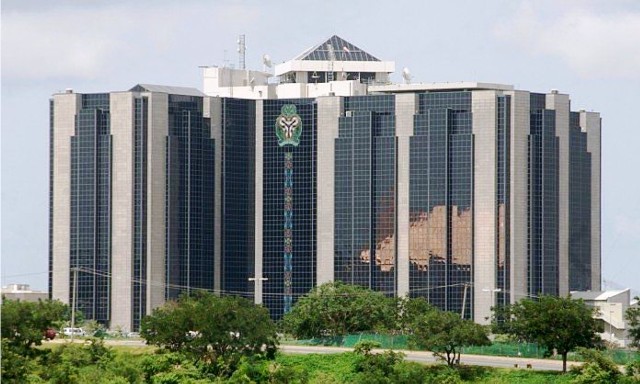
Aremu made the call at the weekend in Lokoja at a one-day interactive session on the five-year policy Trust of the Central Bank of Nigeria (CBN) – (2019-2024). The session was organised by the CBN, in collaboration with organised labour and other stakeholders.
He said that through the CBN intervention in cotton production, the narratives have changed from cotton shortages to cotton abundance and the country should no longer import cotton from Benin Republic.
Aremu, who is also the General Secretary, National Union of Textile, Garment and Tailoring Workers of Nigeria (NUTGTWN), said, “Now, the challenge is that many factories have come back and are ginning the cotton seeds. They will then move to milling, weaving, spinning and the final product.
“You won’t believe it, uniforms for the Nigeria Customs Services, Police and the Army are produced in Bangladesh and India.
“Consider the security implications among other things. You know what, the few textile industries remaining have the capacity to produce them (the uniforms).
“We can even use it to kick-start new factories and you can imagine if we all agree that uniforms of primary and secondary school children should be produced locally, many of the garment factories will come back and this will get youths gainfully employed,” he said.
Aremu suggested that other sectors like construction and pharmaceuticals, should be rejuvenated for optimal performance.
He said “We like to drive exotic cars in Nigeria but we do not have factories where these cars can be manufactured. When properly rejuvenated, the factories for Volkswagen, Peugeot, Fiat, trucks in Kano, Styer in Bauchi can create decent jobs in these areas.”



Business
Jonathan, Diri, Others Laud Firm’s Milestone in Bayelsa …Says Project Will Drive Industrialisation, Create Jobs



-

 News3 days ago
RSG Targets Nine Million Residents in Mosquito Net Distribution Campaign
-

 Oil & Energy3 days ago
Aiyedatiwa Signs New Electricity Bill
-

 Oil & Energy3 days ago
NLNG Commissions Research And Innovation Centre In RSU
-

 Maritime3 days ago
Marine Minister Commends President Tinubu On NPERA Bill Assent
-

 News3 days ago
KenPoly Holds Eight Convocations, August 29
-

 News3 days ago
RSG Begins Another Phase of Projects Commissioning Today
-

 News3 days ago
RMAFC Completes Revenue Sharing Review, Proposes New Pay
-

 Maritime3 days ago
NAGAFF Petitions IGP Over Alleged Maritime Police Harassment