
Business
OML 25: NNPC, Shell, Belemaoil’s Pact ’ll Sustain Peace – Kyari

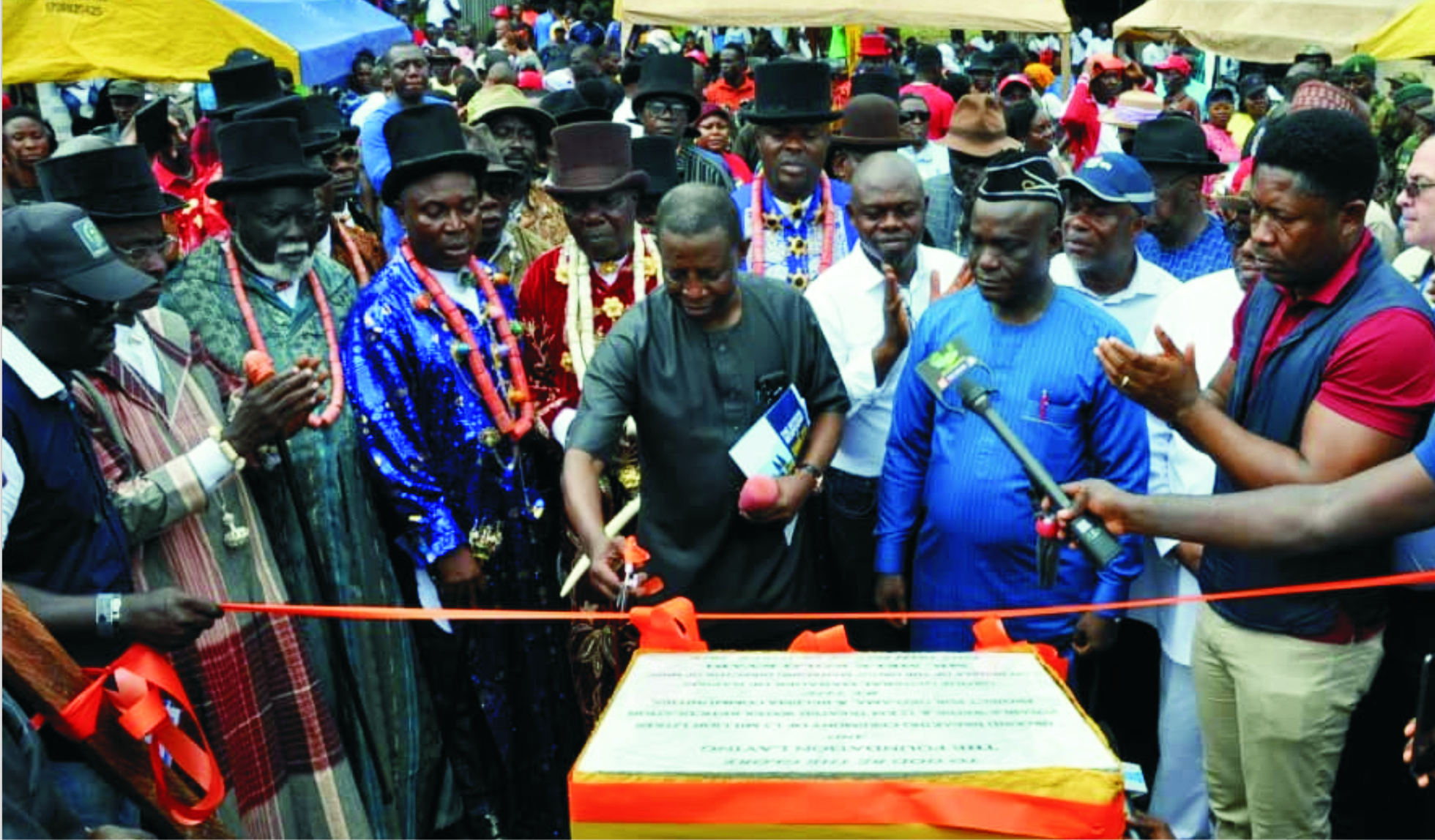
The Nigerian National Petroleum Corporation, NNPC says a new era of sustainable peace has begun at OML 25 Flow Station in Kula Kingdom following the resolution of the oil dispute between Shell Petroleum Development Company, SPDC and its host communities.
The Group Managing Director of NNPC, Mele Kyari stated this at the formal hoisting of Shell and Belemaoil Flags alongside that of the NNPC and Nigerian flag signaling the resumption of oil production in the facility.
The GMD of NNPC represented by the Group General Manger of the National Petroleum Investment Management Services, NAPIMS, Musa Lawan reiterated that while Shell remains the operator, Belemaoil would be in charge of Maintenance, Operation, Surveillance and Patrol.
The Group General Manger of the National Petroleum Investment Management Services, NAPIMS, Musa Lawan described as disheartening the level of backwardness and neglect of the host communities of OML 25.
The Founder and President of Belemaoil Engr. Jack-Rich Tein Junior assured the host communities of OML 25 that the company would work with NNPC and Shell to bring a better life to them.
Also speaking, the apex socio-cultural group of elder statesmen in the Niger Delta known as the Pan Niger Delta Forum, PANDEF said the OML 25 Community Engagement Approach could be used as a model in addressing the Niger Delta question to bring lasting peace to the region.
Clark, represented by a high powered delegation of PANDEF led by a former Nigerian Ambassador Godknows Igali at the official re-opening of the Flow Station by the Host Communities of Oko-Ama, Belema, Offoin-Ama and Ngeje of Kula Kingdom, said he would continue to work with the federal government to ensure that the OML 25 Community Engagement model is replicated to other oil bearing communities in the region.
He said such model would enable the Host Communities feel the impact of oil exploration in their area.
For his part, the Spokesman of PANDEF Anabs Sara-Igbe commended the federal Government for moving the construction of 85km Degema-Kula Expressway from the Ministry of Niger Delta to the Niger Delta Development Commission, NDDC.
Meanwhile, President Muhammadu Buhari has apologised to the Host Communities of OML 25 Flow Station in Kula Kingdom, Rivers State for the level of neglect, economic hardship and under development of the area despite 40 years of oil production and huge contribution to the wealth of the Nation.
The Senior Special Assistant to the President on Niger Delta Affairs, Ita Enang made the apology at a Townhall Meeting in Belema Community during the Official Re-opening of the oil platform by the host communities.
He said it is sad and unacceptable that after 40 years of oil exploration in the area, the people are still demanding for basic amenities such as Schools, Hospitals and Potable Water.
The Senior Special Assistant to the President on Niger Delta Affairs Ita Enang also assured that the Federal Government would work with state governments in the Niger Delta and the NDDC to re-direct the 2020 budget in favour oil bearing communities in the region.
Our correspondent reported that the Paramount Ruler of the Oko Royal House, owners of Belema Community, King Bourdillon Allen Ekine formally removed the traditional injunction stopping oil production at the OML25 Flow Station and presented a proposal of a roadmap for the development of the Community to the federal government and NNPC.



Business
Jonathan, Diri, Others Laud Firm’s Milestone in Bayelsa …Says Project Will Drive Industrialisation, Create Jobs



-

 News3 days ago
RSG Targets Nine Million Residents in Mosquito Net Distribution Campaign
-

 Oil & Energy3 days ago
Aiyedatiwa Signs New Electricity Bill
-

 Oil & Energy3 days ago
NLNG Commissions Research And Innovation Centre In RSU
-

 Maritime3 days ago
Marine Minister Commends President Tinubu On NPERA Bill Assent
-

 News3 days ago
KenPoly Holds Eight Convocations, August 29
-

 News3 days ago
RSG Begins Another Phase of Projects Commissioning Today
-

 News3 days ago
RMAFC Completes Revenue Sharing Review, Proposes New Pay
-

 Maritime3 days ago
NAGAFF Petitions IGP Over Alleged Maritime Police Harassment