
Business
LCCI, Shareholders Want More Support For Diversified Export

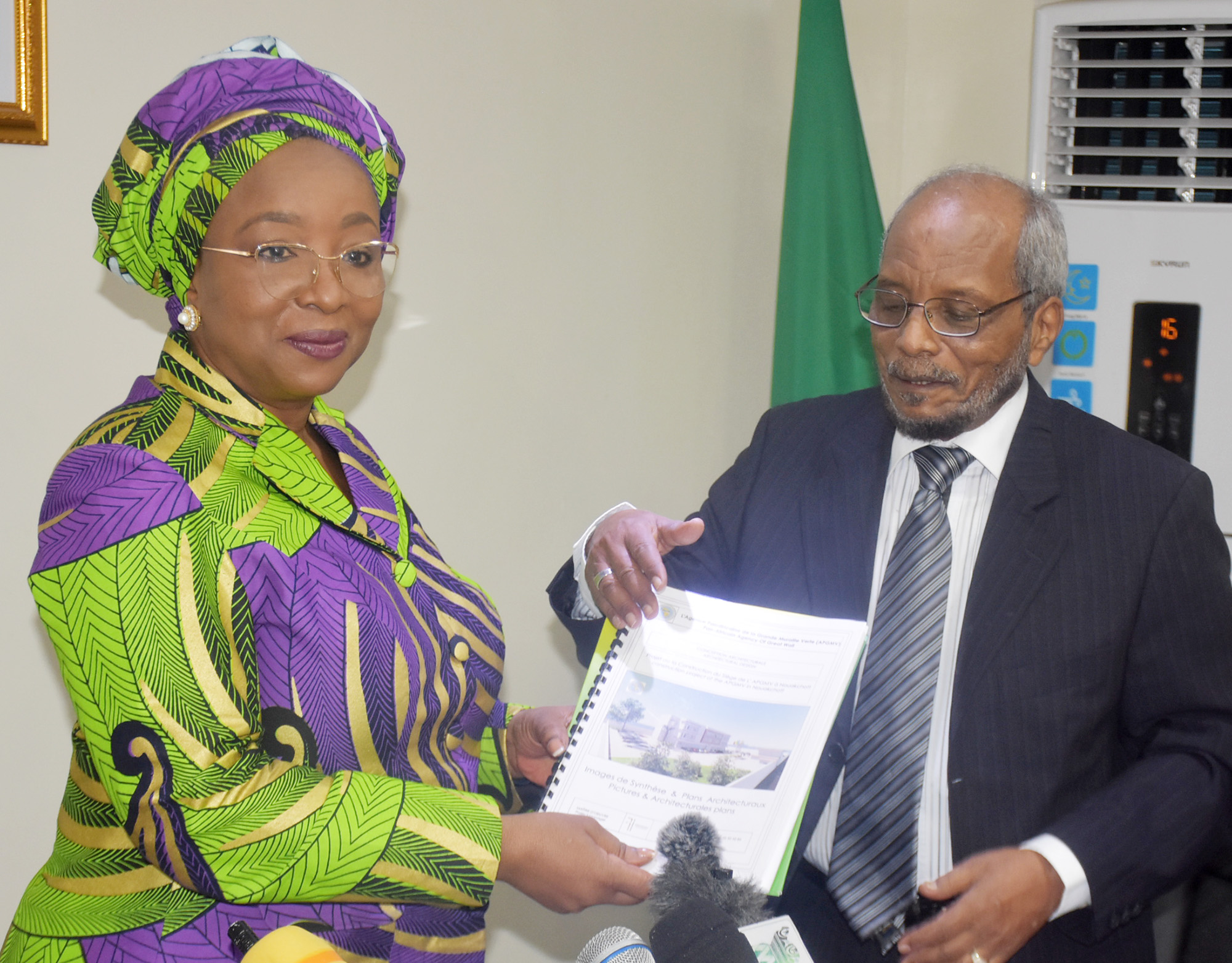
For Nigeria to become a major player in the African Continental Free Trade Agreement (AfCFTA) initiative, and globally, there is a need for government to focus more on promoting the non-oil sector and create targeted funding for selected export-oriented sectors such as agriculture, manufacturing, creative arts and entertainment.
The Director-General of Lagos Chamber of Commerce and Industry (LCCI), Dr. Chinyere Almona, said this would enable the country to enhance its competitiveness and rev up Nigeria’s share of global and Africa trade currently put at just 0.26 per cent and 19 per cent.
Speaking on the theme: ‘African Continental Free Trade Agreement: Matters Arising’, at the 2022 yearly symposium of the Issuers and Investors Alternative Dispute Resolution Initiative (IIADRI) held in Lagos recently, Almona bemoaned Nigeria and Africa’s low contribution to global trade, despite the continent’s trade prospects.
However, she expressed hope that leveraging AfCFTA initiative would enable Nigerian manufacturers to tap into the global market, increasing industrialisation and boosting economic growth.
Represented by the Assistant Director, Research and Advocacy, LCCI, Sunny Michael, she said UNCTAD’s Global Trade update showed that world trade in goods remained strong, while trade in services had returned to its pre-COVID-19 levels in 2021.
She, therefore, insisted that Nigeria and other African countries must step up the game to play a more active role in global and regional value chains.
According to her, governments at all levels should support producers in the areas of capacity building and technical assistance to improve the quality of products for export, as well as ensure that the country’s products can easily access other markets.
“We need a conducive regulatory environment for export and manufacturing. Government should consider establishing agro-industrial parks strictly focused on the production of goods meant for export.
“Corporate strategies also matter; we must have a strategy for supply chain and explore resources for our own benefit. It is cheaper and more sustainable,” she said.
Also speaking at the event, Executive Secretary, Nigerian Investment Promotion Council (NIPC), Emeka Offor, urged shareholders to ensure that operators of listed firms restrategise to benefit from the AfCFTA and boost their investment.
According to him, there is a need for Nigerian firms, especially quoted companies to identify and tackle issues that would pose a threat to the realisation of the benefits of the AfCFTA in Nigeria before the full take-off of the initiative.
He stated that information through intelligence gathering is very critical to keeping operators ahead of trends to enable them to reposition appropriately and benefit from the programme.
Offor said international trade has its own uncertainties and risks, and that that the more Nigerian business operators understand the market, the more they take advantage of the unlimited demand and innovation along the supply chain.




-

 Niger Delta4 hours ago
Diri Restates Stance On Lagos-Calabar Coastal Highway
-

 Niger Delta4 hours ago
C’River, NUJ Pay Tribute To Late Guardian Editor
-

 News5 hours ago
NDLEA Recovers Tons Of Illicit Drug Consignments In Nine States
-

 Opinion4 hours ago
Checking Voter Apathy In Nigeria’s Electoral Process
-
 Oil & Energy5 hours ago
S&P Global Warns Hormuz Energy Shock Could Become A Global Food Crisis
-

 Oil & Energy5 hours ago
Gas Reserves Hit 215 Trillion Cubic Feet
-

 Rivers4 hours ago
Education Ministry Condemns Female Virginity Testing In CHS, Taabaa
-
 Oil & Energy5 hours ago
NCDMB, Manufacturers Commit To Scale Up Local Oil And Gas Production Components