
Business
NUPENG Threatens Strike Over Sack Of Refinery Workers

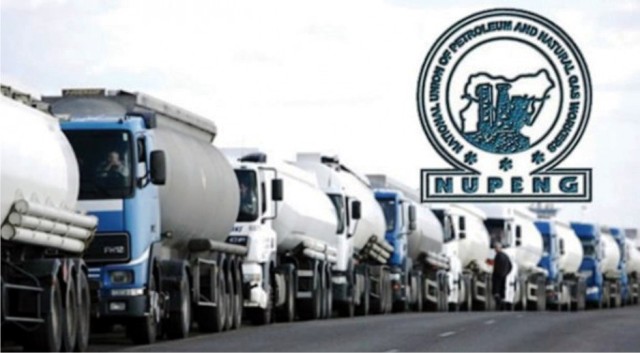
The Nigerian Union of Petroleum and Natural Gas, (NUPENG), has given the Federal Government and management of the Port Harcourt Refinery Company (PHRC) 72 hours to reverse March 29th sack of over 175 contract workers or face the shutdown of supply of petroleum products across the Port Harcourt Zone.
National Treasurer, NUPENG, Alex Agwanwor, at the declaration of the ultimatum in Port Harcourt, yesterday, said the development was tilted to a nationwide industrial action with consequences certain to compound prevailing hardship posed to the Nigerian populace by Coronavirus as the union members in refineries in Kaduna and Warri Zones were equally affected by job layoff.
Narrating the situation, Zonal Chairman, NUPENG, Port Harcourt Zone, Mina Samuel, said apart from acting in defiance of extant labour laws and best practices in the sudden sack of the contractor workers, the timing underscored insensitivity on part of the PHRC.
Samuel described as disheartening, “The disengagement of union members by management of PHRC on whose instruction its contractors acted to terminate jobs at this very point the entire world is being ravaged by Covid-19.
“It is the height of insensitivity that whereas the whole world is providing for citizens, putting in place palliatives, economic stimulus and protection of workers right, PHRC, a government agency is terminating jobs and deliberately infusing more hardship on workers
“Consequently, NUPENG gives PHRC 72hours from April 2 to direct its contractors to withdraw all job termination letters issued all NUPENG members in their employ. We advise the refinery management to engage the union once normalcy is restored, if need be.
“PHRC management leaves the NUPENG with no other option than calling all members within Port Harcourt Zone including petroleum tanker drivers, petrol station workers currently risking their lives to render essential services to the nation in the face of Covid-19, to halt the supply of petroleum products in solidarity with affected members”
The union further lamented that, “fuel tankers drivers and others on essential duties are currently not allowed to move freely in Rivers as a result of the lockdown by the state government. We appeal to the government to address this challenge in line with Mr President/State Governor’s directive on exemption of those on essential duty.”



Business
Jonathan, Diri, Others Laud Firm’s Milestone in Bayelsa …Says Project Will Drive Industrialisation, Create Jobs



-

 News4 days ago
RSG Targets Nine Million Residents in Mosquito Net Distribution Campaign
-

 Oil & Energy4 days ago
Aiyedatiwa Signs New Electricity Bill
-

 Maritime4 days ago
Marine Minister Commends President Tinubu On NPERA Bill Assent
-

 Oil & Energy4 days ago
NLNG Commissions Research And Innovation Centre In RSU
-

 News4 days ago
KenPoly Holds Eight Convocations, August 29
-

 News4 days ago
RSG Begins Another Phase of Projects Commissioning Today
-

 News4 days ago
RMAFC Completes Revenue Sharing Review, Proposes New Pay
-

 Maritime4 days ago
NAGAFF Petitions IGP Over Alleged Maritime Police Harassment