
Business
Nigeria’s Economy Fragile Before COVID-19 Pandemic –Finance Minister

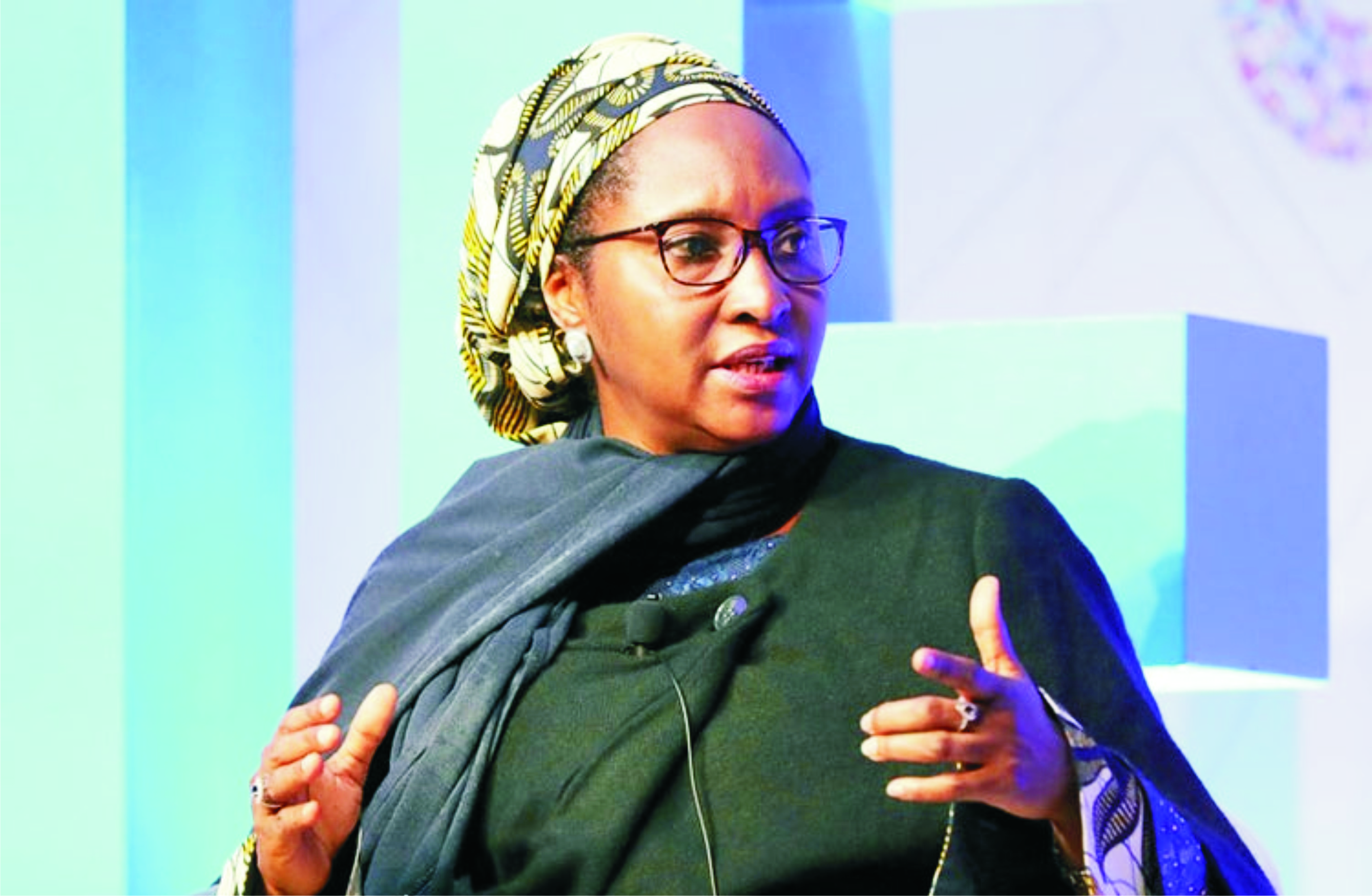
The Minister of Finance, Budget and National Planning, Zainab Ahmed, has said that prior to the outbreak of the coronavirus pandemic, the Nigerian economy was already fragile.
She said this in a statement issued by her Special Adviser on Communication, Mr Yunusa Abdullahi, on Monday in Abuja.
Ahmed, according to the statement, said this during her meeting with the leadership of the National Assembly where she spoke on implications of the global economic crisis on Nigeria.
The coronavirus pandemic had led to unprecedented disruptions to global supply chains, a sharp drop in global crude oil prices, turmoil in global stock and financial markets, the lockdown of large swath movements of persons in many countries, among others.
These outcomes have had severe consequences on households’ livelihoods and business activities, resulting from drop in global demand, declined consumer confidence and slowdown in production.
But the finance minister said that prior to the outbreak which had led to decline in crude oil prices, the Nigerian economy was already fragile, vulnerable and deteriorating.
She said the global economic downturn had forced international oil prices to drop to as low as $22 per barrel.
The minister said international travels and trade had been severely disrupted, while demand for goods and services is deteriorating as a result of the social distancing policies.
This, she said had led to financial markets uncertainty which had resulted into capital flows’ reversal from emerging and frontier markets such as Nigeria.
She said, “Increasing pressure on the naira and foreign reserves as the crude oil sales receipts decline and the macroeconomic outlook worsens.
“Central Bank of Nigeria, just as in other countries, has resorted to quantitative easing, by reducing interest rates to support economic activity and governments announcing fiscal stimulus plans for healthcare and social safety nets.”
She said the government was working on a fiscal stimulus package to cushion the impact of the crisis on the most vulnerable individuals and communities.



-

 Editorial3 days ago
Enough Of Xenophobic Attacks On Nigerians
-

 Nation3 days ago
RSU, Otonti Nduka Foundation Holds Centenary Conference, Unveil Book on Values in Nigeria
-

 Oil & Energy3 days ago
Rivers PETROAN Elects 12-Member Executive
-

 Sports3 days ago
Oparaodu Urges Rivers United To Win Katsina United
-
Politics3 days ago
APC Group Protests Ex–Presidential Aspirant’s Disqualification From Rivers Senatorial Race
-
Politics3 days ago
Reps Speaker Secures APC Return Ticket For Fifth Term
-

 Sports3 days ago
” Nigeria’s best domestic players are not in NPFL”
-
Politics3 days ago
Primaries: Diri Lauds APC’s Unity, Cohesion In Bayelsa