
Oil & Energy
Stakeholders Want FG To Build More Refineries

Some stakeholders in the oil and gas sector have called on Federal Government to revamp the existing refineries in the country and build new ones to make the petroleum industry more effective and functional.
The stakeholders expressed their view during a random interview conducted by our correspondent recently.
Former chairman of the Petroleum and Natural Gas Workers Union of Nigeria (NUPENG), Port Harcourt Refinery branch, Comrade Alex Agworwor, told The Tide that the existing refineries in the country were not operating at the maximal capacity required to meet the fuel needs of Nigerians.
Comrade Agworwor who is a national official of NUPENG said the poor operational standards of the existing refineries in the country had made Nigeria to depend on the importation of refined products.
“Nigeria is estimated to hold approximately 37 billion barrels of proven oil reserve which is the second biggest in Africa. The country, however imports majority of its domestic refined products due to lack of domestic refining capacity. This doesn’t create a good and promising picture of the country as a major oil producing nation. The Federal government through its relevant agencies should ensure that our refineries are functional, while the building of new ones should be considered “, he said.
In his own views, the Chairman of the Port Harcourt branch of the Independent Petroleum Marketers Association of Nigeria (IPMAN), Comrade Emmanuel Inimgba, also called on the Federal Government to speedy up the revamping of the existing refineries in the country, as well as build new ones to enhance the capacity utilisation and address the deficits recorded as a result of the poor state of the refineries.
He said, “Despite Nigeria’s huge potentials in the oil and gas sector, the country still depends heavily on the importation of refined products for domestic consumption. The Federal Government must make concrete effort to boost the capacity of our refineries to meet up the needs of Nigerians and cut fuel importation.
This will also help us the Independent Marketers to have a liverage to perform effectively.”
Another stakeholder in the oil and gas sector, Comrade Ali Nyorbana, called for active public /private sector collaboration in revamping the Nigeria oil and gas industry.
He commended the chairman of Dangote Group of companies, Alhaji Aliko Dangote for his vision of investing in the oil sector, saying the upcoming Dangate refinery” will double Nigeria’s refining capacity to meet up the increasing demand for fuel as well as create job opportunities for the people “
Taneh Beemene





-

 News5 days ago
RSG Targets Nine Million Residents in Mosquito Net Distribution Campaign
-

 Oil & Energy5 days ago
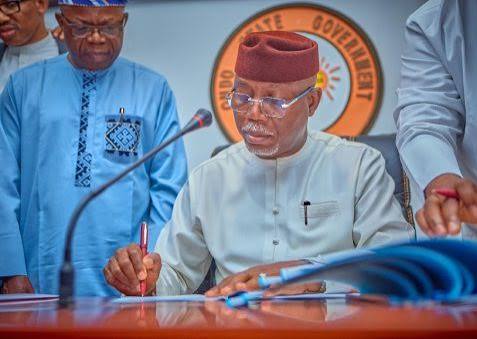
Aiyedatiwa Signs New Electricity Bill
-

 Maritime5 days ago
Marine Minister Commends President Tinubu On NPERA Bill Assent
-

 Oil & Energy5 days ago
NLNG Commissions Research And Innovation Centre In RSU
-

 News5 days ago
KenPoly Holds Eight Convocations, August 29
-

 News5 days ago
RSG Begins Another Phase of Projects Commissioning Today
-

 News5 days ago
RMAFC Completes Revenue Sharing Review, Proposes New Pay
-

 Maritime5 days ago
NAGAFF Petitions IGP Over Alleged Maritime Police Harassment