
Business
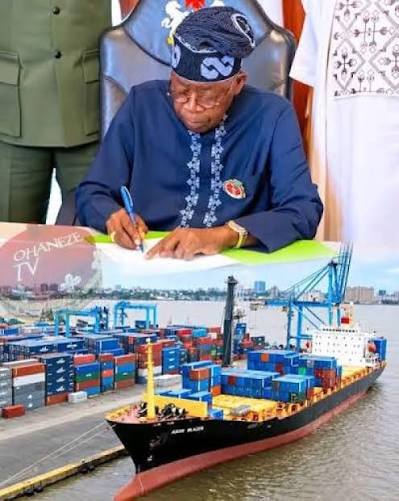
Mariner Urges Training Of Seafarers

The need to train and re
train more seafarers in the Niger Delta region of the country has again been emphasized.
A Port Harcourt based mariner and maritime consultant, Engr Patrick Daka made the assertion while speaking with our correspondent in Port Harcourt yesterday.
According to him, the need to train and retrain the Nigerian seafarers especially those in the Niger Delta region became necessary due to the technological advancement in the maritime industry, to enable them acquire knowledge and be gainfully employed as well as to prevent them from indulging in vices inimical to the norms of the society.
Daka, a marine engineer by profession stressed that seafarers must undergo regular training inorder to add value to Nigeria’s participation in international maritime trade in line with global best practices.
He further said that the training should not be limited to seaferers alone but to all segments of the maritime industry, adding that it is one aspect the Federal Government should not wave-off and called on all stakeholders to show concern, for the interest of Nigeria and the Niger Delta region in particular.
“With training on latest development in the maritime industry, activities of sea pirates would be curtailed, militancy, oil theft and other anti-social vices would be reduced in the country,” he posited, and further called for all hands to be on deck to gainfully engage the youths especially with the political trend on ground.
He however called on Nigerians to be encouraged to own ships that could also engage the trainees on implementation of the Cabotage law and also commended the Nigerian Maritime Administration and Safety Agency (NIMASA) for embarking on regular training of seaferers through the National Seaferers Development Programme (NSDP).
Collins Barasimeye



-

 Niger Delta5 hours ago
C’River, NUJ Pay Tribute To Late Guardian Editor
-

 Niger Delta5 hours ago
Diri Restates Stance On Lagos-Calabar Coastal Highway
-

 News7 hours ago
NDLEA Recovers Tons Of Illicit Drug Consignments In Nine States
-
 Opinion5 hours ago
Checking Voter Apathy In Nigeria’s Electoral Process
-
 Oil & Energy6 hours ago
S&P Global Warns Hormuz Energy Shock Could Become A Global Food Crisis
-
 Oil & Energy6 hours ago
Gas Reserves Hit 215 Trillion Cubic Feet
-

 Maritime4 hours ago
Association Debunks Alleged Extortion Report Against Lagos Commissioners, Others
-

 Rivers6 hours ago
Education Ministry Condemns Female Virginity Testing In CHS, Taabaa