
Opinion
Between Journalism And Sophistry

An old familiar oddity states that it is a dangerous
thing to fall into the hand of the gods.
This is because a man or community lost to the punitive grip of the unknown plays around in a torrent of untold visitation from the realm of the spirits in an orgy of psychopathetic obsession.
The victim is always enmeshed in a tangle of miserable self-pity.
The end result is of often fatal and warped in a sense of villainy and faded glory.
But it is even more dangerous to fall into the hands of the media.
The media tends to have a potency that surpasses that of the gods. And every niggling topical issue provides a platform for the media to explore its institutional strength.
The media within the context of this write up is centred on the print and social media.
The media is mostly associated with the roles of journalists in a given society.
This borders on the institutional responsibilities of journalists in the co-ordination of human relations through a gatekeeping role that makes him an umpire, a dispassionate leader of public opinion.
This brings to bear the importance of columns in journalism. The essence of instinctive journalism and agenda setting is shown in the roles that reporters and columnists play.
Media duties are vast and involving as it has a diverse and designative mode of operation.
The reporter is guided by journalism ethics to place his reports on the principles of objectivity rather than selectivity. He is expected to abide by the notion that facts are sacred, and do justice to every shed of opinion in a given report.
But columnists have a pattern of delivery that gives them the ample leverage to bear their exclusive opinion on issues. Columnists command great societal influence because of their critical approach and comments on issues.
They also stand the temptation of veering off the track of objective criticism for sophistry.
A sophist’s point of view is mostly impressionistic. He engages in an endless search for verbosity, and he indulges in voyages intended to massage the ego of his paymasters.
It is not uncommon that most journalists metamorphose into sophists and casuists, and that is not unconnected with the fact that sophistry offers a veritable platform for second income and juicy financial gratifications.
When a journalist turns a sophist, he looses touch with his journalistic calling and his public credibility is also at stake, but he plays into the heart of his newfound bedfellows, the aristocratic class and power players, a romance that swells a cosmetic sense of elevation.
But when his briefs are over and he is eventually dumped by his paymasters, he revolts implacably against the same system he had persistently eulogized.
A sophist’s pattern of delivery is also centred on subjective injunctions embellished in flattery and platonic gestures.
He glides on a surrogate partisan romance through a disguise but clearly inclusive order.
Such subjective writings, however, breed mutual antagonism and triggers reactions and offers a dramatic war of letters among sophists at various levels of engagements, as they lock horns to pacify their paymasters.
Sophists are fully aware of the social reality that nervous half truths often gets detected, but in most cases proper whoppers seldom do, and they cling to the latter as a potent instrument of pressing home their points of arguments.
This does not imply that the outcome of sophistry are often lies but they are billed to satiate the whims and caprices of handlers through the deceptive warmth and treasures of their renditive artistry.
Societal loss swells the personal gains of the unguarded sophist, and of course it is a dangerous thing to fall into the hands of a public writer determined to engage in a war of calumny.
It takes a ‘counter commissioning’ of some measure to douse the tendencies.
Thus, the level of financial involvement determines the savagery. In Nigeria today, the lessions from the extremities of deception of campaigns of sophistry are too glaring to be ignored.
Political scavengers now find escape routes through the brinkmanship of engaged sophists, while the latter gets a financial turn around dealing with the discomfort of the privileged, at the expense of the ordinary citizens.
Our dailies today are laden with unpleasant publicities targeted at political enemies in a perfectionist orgy cloned in contempt and a taste of vulgarity, making the process combustible and yoked under the batter of wits.
These moral malfascences are committed by the very people whose calling are to write to shape the society.
The political exigencies in the country today provides platforms for all manners of people including social media hackers to let loose their tantrums on the polity.
There are those genuinely concerned about the state of the nation.
There are those who take advantage of the political crisis to play into limelight in most banal and unpatriotic measure, that sustains the lingering points of divergence in the polity rather than bridging the gaps.
Many people who are not resident in Rivers State paints pictures of a collapsing society in their writing.
They fantasize on the situation and mimic it in series akin to medieval fiction.
But he who feels it knows it all. Rivers people alone feel the real pulse of the situation.
Despite the uncertainties, Rivers people are enthusiastic and pursuing life with unstoppable vigour, leaving their collective destiny in the conscience of time to unfold their true position in national reckoning.
Taneh Beemene



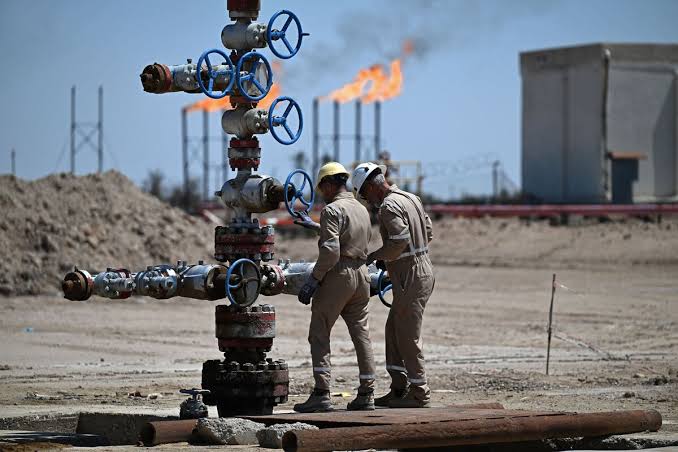
Quote: “No oil vessel, commercial contract or operational deadline is worth the loss of innocent lives; where environmental grievances are ignored and dialogue gives way to confrontation, the entire society pays a price that no compensation can adequately erase.”

Quote:”The value of wealth is
Will and gifts are subjects
A Will is an important legal
Where documentation is
This does not mean every
Properly completed lifetime
Property owners must also
My appeal is simple: let us
-

 Niger Delta18 hours ago
Diri Restates Stance On Lagos-Calabar Coastal Highway
-

 Niger Delta18 hours ago
C’River, NUJ Pay Tribute To Late Guardian Editor
-

 Sports15 hours ago
Nigerian Trio Target Titles At PFL Africa Finals
-

 News19 hours ago
NDLEA Recovers Tons Of Illicit Drug Consignments In Nine States
-

 Opinion17 hours ago
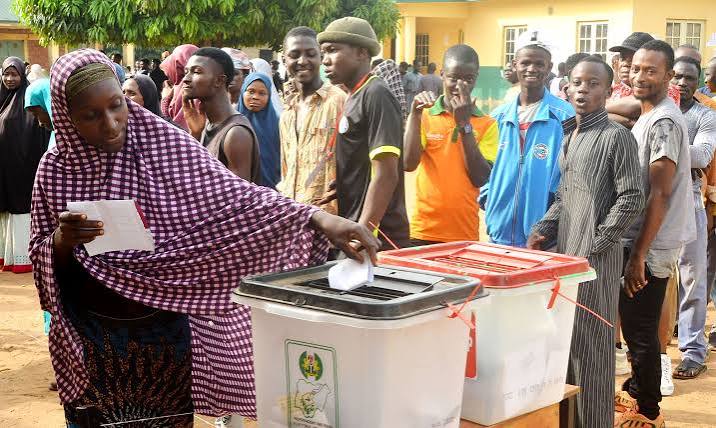
Checking Voter Apathy In Nigeria’s Electoral Process
-

 Education15 hours ago
FCE Yola Graduates 3,555 Teachers , Seeks Upgrade to University
-

 Politics15 hours ago
2027: DICKSON’S EX-ALLY VOWS TO WORK AGAINST NDC INTEREST IN BAYELSA
-

 Politics15 hours ago
2027: GROUP PLEDGES 40,000 SUPPORTERS FOR COALITION CANDIDATES IN RIVERS