
Nation
THE STATES

Adamawa
The National Office for Technology Acquisition and Pro-motion (NOTAP) is to promote the teaching of science and technology in primary and secondary schools.
NOTAP Director General, Umar Bindir, made this known in an interview with newsmen in Yola, Adamawa State.
Umar said NOTAP would ensure this through the introduction of story boards that would show pupils and students how some products were made.
“For instance Maggi cube is made from soya beans. So we asked Nestle to give us a story board that shows the stages in picture of how soya beans was transformed to Maggi cube,’’ Umar said.
He explained that such practical approach and change in teaching methodology would help in reforming the education sector for positive results.
Bauchi
Governor Isa Yuguda of Bauchi State has dismissed a media report that his government had set aside N3 billion for the creation of new chiefdoms.
Fielding questions with newsmen in Damaturu, Yuguda said the report was baseless and described it as a deliberate negative report to ridicule his administration.
Yuguda was in Damaturu to pay a condolence visit to Gov Ibrahim Geidam, who lost his wife last week.
He said that the reason for the creation of the chiefdoms was to accord special rights and privileges to people who demanded for them, to ensure peaceful co-existence among the diverse cultural and religious groups in the state.
Yuguda noted that the state had experienced political and religious crises within the last two years, making it imperative to find ways to ensure lasting peace and harmony.
Borno
Alhaji Baba Garbai, the Borno Commissioner for Local Government and Chieftancy Affairs, says the state government is to establish a skills acquisition centre for farmers in Damboa.
Garbai, who announced this on Sunday while inspecting projects in Damboa Local Government Area, stated that farmers would be trained in modern farming technology at the centre.
He said that the state government was determined to give agriculture top priority so as to boost food security.
The commissioner advised parents and guardians to enroll their wards in schools in order to enable them contribute to national development.
He also urged the caretaker chairman of the local government, Alhaji Abu Hong, to embark on the provision of social amenities and execution of developmental projects.
FCT
Defence Minister, BelloMohammed in Abuja has restated Federal Government’s commitment to ensuring that members of the Armed Forces were properly settled after years of meritorious service to the nation.
Mohammed stated this at the end of an entrepreneurship training organised for senior military officers by the Nigerian Armed Forces Resettlement Centre (NAFRC) in collaboration with EMPRETEC Nigeria Foundation.
Represented by the Chief of Defence Staff, Air Chief Marshal Oluseyi Petinrin, the minister said the current agenda of President Goodluck Jonathan had placed emphasis on transformation.
Mohammed said the training was meant to assist the officers to attain self development when they disengage from service.
Kaduna
The 1986 Old Students Association of Alhudahuda College, Zaria, has donated books worth more than N250,000 to the institution.
Alhaji Shehu Yunusa, the Secretary-General of the association, told newsmen at its silver jubilee meeting in Zaria that the gesture was to encourage students of the institution to embrace the reading culture and maintain the good reputation of the college.
He said that in addition to the donation, the association also planned to renovate the college Mosque to make it an ideal place of worship.
“We are here to show appreciation to the college that brought us to limelight, because whatever we become in life, the institution is central to it.
Katsina
The Police Command in Katsina State says it has arrested eight alleged car snatchers in Katsina metropolis in its renewed effort to fight crime in the state.
The Commissioner of Police, Alhaji Ibrahim Mohammed, disclosed this in an interview with newsmen in Katsina.
Mohammed said that the suspects were nabbed at different times in the metropolis and gave their names as Bello Abdulkadir, Salisu Sirajo, Santanu Abubakar, Bashir Kabir alias Sanfolo, Ismaila Usman, Tasi’u Abdullahi and Musa Bala.
The commissioner said that the suspects had confessed to stealing cars in Katsina and its environs for sometime, adding that the command had been on their trail.
He said that the suspects also claimed to have taken some stolen cars to Kano for sale, adding that they were helping the police to track the receivers of the stolen cars.
Kwara
The Kwara government says it will continue to partner with the Kwara Chamber of Commerce, Industries, Mines and Agriculture (KWACCIMA) in a bid to boost the economy of the state.
The State Commissioner for Commerce and Cooperatives, Alhaji Saka Onimago, disclosed this in Ilorin on Saturday while launching the prospectus for the fifth Kwara Trade Fair.
Onimago reiterated the state government’s commitment to take the state to the next level of development, saying that government has concluded arrangement to employ another set of 2,000 youths.
He said the development could only be achieved through the co-operation of the private sector of the economy.
Onimago thanked the KWACCIMA for acting as a catalyst in driving the economic development of the state through the organisation of annual trade fairs.
Lagos
Prof. Oladapo Afolabi, former Head of the Civil Service, has charged Nigerians to encourage creative work by Nigerians such as Prof Cyril Onwumechili to enhance national development.
Afolabi made the call in Lagos during the presentation of Onwumechili’s autobiography entitled, “Coming a Long Way”, which he reviewed.
He noted that Onwumechili, who became a professor at the age of 30 after studying to the doctorate level through
scholarships from his early days at Kings College, Lagos, was propelled by hard work and support from his uncle.
Afolabi observed that the professor became a vice chancellor of the University of Ife (now OAU) in 1978, the only known non-Yoruba VC of the institution.
Dr Alex Ekwueme, a former Vice-President, who was chairman of the occasion, said the work of the erudite professor was worth reading.
He described Onwumechili as a bright and productive scholar who had impacted on lives and the scientific landscape of Nigeria.
Ondo
The Ondo State Government says it spent about N3 billion on community development projects within the last 30 months.
Mr Clement Faboyede, the Commissioner for Community Development and Cooperative Services, said this in an interview with newsmen in Akure.
Faboyede said the initiatives were primarily to take development to the grassroots, adding that more than 200 “quick-win” projects had been completed in the 18 local government areas of the state.
He also said the state government recently approved N400 million for more projects to be executed in some communities
The commissioner said no fewer than 30 projects had been earmarked in some local government areas, including Akure and Ose areas.
Sokoto
Illela Local Government Council of Sokoto State plans to spend not less than N100 million on various developmental projects, its Chairman, Alhaji Garba Sabon-Gari, has disclosed.
Sabon-Gari told newsmen in Illela on Saturday that the projects would cover rural roads and water supply, health, education, power supply and economic empowerment.
“The estimates have been forwarded to the Ministry of Local Government for its final approval and nothing less than N100 million will be approved finally by the ministry.
“ These projects are aimed at further improving the living standard of the people and to fulfil our various campaign promises.’’
Taraba
Taraba is partnering with the North-East Zonal Office of the National Biotechnology Development Agency (NABDA) to train fish farmers on the production of fingerlings.
Mr. Anthony Jellason, the state Commissioner of Agriculture and Natural Resources, disclosed this in an interview with newsmen in Jalingo on Sunday.
Jellason said that the state government had provided the agency with access road to its new office along Kona Road, to enable it to effectively discharge its duties.
He noted that the state was blessed with abundant of fish resources through its rivers and natural ponds scattered across the 16 local governments.
“When given the training, it would not only equip the farmers with the technical knowhow- in fish production, but also improve their occupation, boost their economy and provide direct and indirect employment opportunities to young school leavers.”
Zamfara
A female Zamfara pilgrim to this year’s hajj in Saudi Arabia (names withheld) has died, according to an official of the state’s 2011 Hajj Committee, Alhaji Jabiru Riko.
Riko disclosed this in an interview with newsmen in Gusau recently.
He said that the middle-aged woman died in the holy land after a brief illness, adding that she had been buried in Saudi Arabia, according to Islamic rites.
The committee member said the transportation of the state’s pilgrims had been completed on Thursday, adding that all 5,500 pilgrims were transported in 11 flights from the Sokoto International airport.



As the world marked the 2026 International Day of the Girl Child on Sunday, October 11, 2026, a non-governmental organisation, Stand Up for Women Society (SWS) has intensified its campaign against child marriage, urging schoolgirls to prioritise education, protect their rights and develop skills for a better future.
The organisation joined the global observance of the day under the theme, “International Day of the Girl Child: End Child Marriage and Invest in Girls’ Rights,” with a sensitisation programme at Government Girls Secondary School, Oromenike, D-Line, Port Harcourt, Rivers State.
Led by its Vice Chairperson, Daba Benebo, the group engaged the students in discussions on the dangers of early marriage, teenage pregnancy, sexual abuse and other challenges that threaten the education, safety and development of the girl child.
Speaking during the programme, Benebo urged the students to reject early marriage and remain focused on their studies, stressing that education would empower them to make informed decisions about their lives and future.
She cautioned the girls against allowing anyone to deprive them of their right to education and dignity, advising them to report cases of harassment, abuse and other violations of their rights to the appropriate authorities.
Benebo assured the students that SWS remained available to support them whenever they encountered violations of their rights.
She also encouraged them to maintain discipline and responsible conduct while avoiding behaviours that could expose them to negative influences and jeopardise their future.
Beyond formal education, the SWS vice chairperson urged the students to acquire vocational skills that could provide additional opportunities for economic independence and help them navigate future challenges.
The sensitisation programme, enlivened by singing, dancing and to share their views and experiences on issues affecting the girl child interactive sessions, provided an opportunity for the students to share their views and experiences on issues affecting the girl child.
One of the major issues raised during the discussion was the appropriate age for marriage. While some participants maintained that 18 years was the constitutionally approved age, the discussion highlighted the need to consider not only age but also the maturity, preparedness and responsibilities associated with marriage.
The speaker stressed that marriage required adequate mental and emotional preparation, as well as the capacity to shoulder its responsibilities.
She therefore advised the students to concentrate on acquiring a sound education before considering marriage, noting that education would equip them with the knowledge and skills needed to make responsible decisions and manage family life.
The issue of teenage pregnancy also featured prominently during the question-and-answer session.
In addressing the subject, the speaker explained that pregnancy could occur even at the age of 12, using the example to underscore the vulnerability of young girls to the consequences of early sexual activity.
She advised the students to avoid sexual intercourse and prioritise their education, personal safety and future aspirations.
The discussion also examined the difficulties some girls encounter when living with hostile spouses, relatives or guardians.
Benebo encouraged the students to cultivate patience, humility and diligence, noting that these qualities could help them navigate difficult situations and build a brighter future.
However, she warned that patience and humility should never be interpreted as an obligation to endure violence, abuse or degrading treatment.
She urged girls experiencing hostile or abusive living conditions to seek help from their parents, trusted adults or appropriate support services rather than remain in environments that could expose them to physical or emotional trauma.
“When such happens, please return to your parents and engage in petty trade or learn a skill to support your education rather than stay in a hostile environment,” Benebo stressed.
The programme also underscored the importance of protecting girls from early marriage and other harmful practices that can disrupt their education, compromise their well-being and limit their opportunities in life.
It also reinforced the need for families, schools, communities and relevant organisations to work together to ensure that girls have access to education, vocational training, protection and the support they need to realise their potential.
For SWS, the message was clear: empowering the girl child begins with protecting her rights, investing in her education and equipping her with the confidence and skills to make informed choices about her future.
Stories by Kevin Nengia
The Egberipapa Foundation has unveiled a mass transit scheme aimed at easing transportation difficulties and improving connectivity among communities in the three Kalabari local government areas of Asari-Toru, Degema and Akuku-Toru in Rivers State.
The initiative, established by former Caretaker Committee Chairman of Akuku-Toru Local Government Council, High Chief Sobomabo Jackrich, popularly known as Egberipapa, is designed to make transportation more accessible and affordable for residents across the Kalabari area.
The scheme was launched on Monday, October 12, 2026, and is expected to address longstanding transportation challenges confronting residents, particularly those in riverine and hard-to-reach communities.
Communities expected to benefit from the initiative include Krakrama, Minama, Angulama, Sangama, Omekwe-Tariama and Omekwe-Ama.
The project is expected to ease movement within and beyond the Central Group area, while providing residents with a more convenient means of transportation for their daily activities.
For decades, transportation difficulties have posed significant challenges to several Kalabari communities, making movement between settlements both cumbersome and expensive. These challenges have also affected commercial activities, social interactions and access to essential services.
The introduction of the mass transit scheme is therefore expected to provide relief to residents, strengthen inter-community connections and stimulate economic activities across the benefiting communities.
Beyond improving mobility, the initiative could contribute to community development by facilitating the movement of people and goods, supporting local businesses and enhancing social and economic interactions within the Kalabari area.
As the scheme gets underway, attention will be focused on its implementation, accessibility and sustainability, as well as its capacity to deliver lasting transportation benefits to the target communities.
The initiative represents a potentially significant step towards addressing transportation challenges and promoting grassroots development across the Kalabari Kingdom.
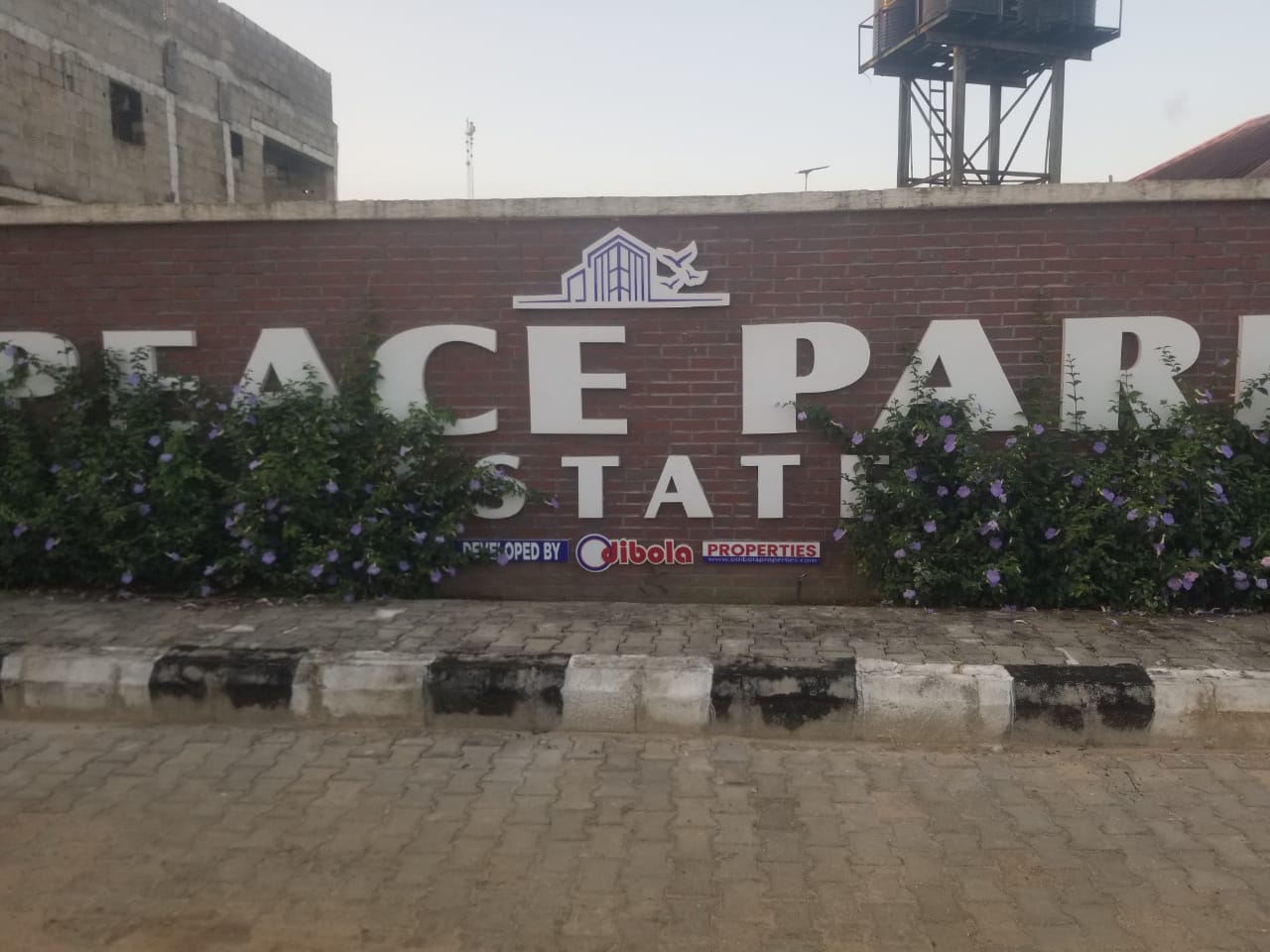
The Amaewhule family of mbodo Aluu in Ikwerre Local Government Area of Rivers State has cautioned members of the public against entering into any land transaction involving a disputed property known as “Ada Oro Fam Land,” located behind the OPM Church along Airport Road.
The family, through its legal counsel, Barrister Ndubuisi Agumagu, issued the warning amid an ongoing legal dispute over the ownership and control of the property, which is said to comprise more than 900 plots of land.
The matter is currently before the Isiokpo High Court of Rivers State in a suit numbered IHC/246/CS/2026, presided over by Justice Sobere Biambo.
The claimants in the suit include Chief Green Amaewhule and others, while Fabulous Amaewhule and Odibola Properties are listed among the respondents.
Counsel to the Amaewhule family, Barr Ndubuisi Agumagu, advised prospective land buyers and members of the public to exercise caution and refrain from purchasing any portion of the disputed property pending the determination of the case by the court.
According to the legal counsel, the property is a family estate belonging collectively to the Amaewhule family, and no individual member of the family has the authority to unilaterally dispose of portions of the land.
The counsel specifically maintained that Fabulous Amaewhule, one of the respondents in the suit, does not have the legitimate authority, according to the family’s position before the court, to sell portions of the disputed property.
The family further warned that anyone who proceeds to purchase land from the respondents while the matter remains before the court would be doing so at their own risk.
It stressed that such buyers could potentially lose their investments should the court eventually deliver judgment against the validity of the transactions.
The legal team said the warning became necessary to prevent unsuspecting members of the public from committing their resources to a property whose ownership and right of disposition are currently the subject of judicial determination.
The family also urged prospective investors, developers and land buyers to conduct proper legal inquiries and obtain independent verification of the status of the property before committing funds to any transaction relating to it.
The Amaewhule family said its position was intended to protect members of the public from possible financial losses and further legal complications while the case remains sub judice, stressing that interested parties should await the final determination of the court.
Akujobi Amadi
-

 News2 hours ago
NDLEA Recovers Tons Of Illicit Drug Consignments In Nine States
-

 Oil & Energy55 minutes ago
S&P Global Warns Hormuz Energy Shock Could Become A Global Food Crisis
-

 News2 hours ago
IGP Proposes 200% Gratuity, Pension For Retired Officers
-

 News1 hour ago
FG releases N38.93bn to upgrade 166 tertiary institutions
-

 News2 hours ago
Rivers Community Raises Alarm Over Alleged Security Invasion
-

 News2 hours ago
Ebola: NCDC Approves N100,000 Weekly Payment For Contacts
-

 News1 hour ago
Rivers CJ Declines NBA’s Request For Court-Free Days For Law Week Celebration
-
 News1 hour ago
Senate Passes Bill For Establishment Of Federal University Of Agriculture In Rivers