
Editorial
Flooding: Responding To Lagdo Dam Warning

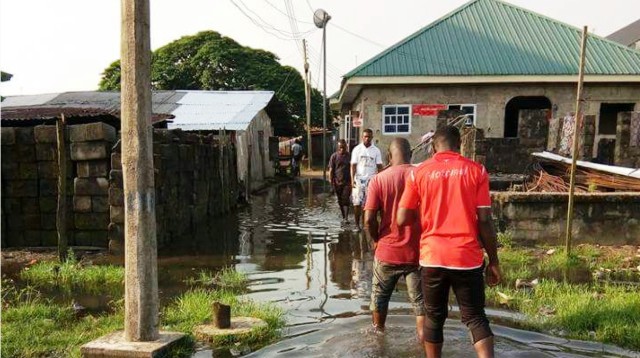
The alert issued by the Cameroonian authorities regarding the projected discharge of excess water from
their Lagdo Dam brings forth another time of distress and suffering for Nigerians. The memoirs of the ravaging torrent that unleashed mayhem in 2022, when these floodgates were last opened, should serve as a grim reminder of the potential repercussions. Immediate action should be taken to address this looming threat.
The authorities in Abuja and the concerned states must remain circumspect, despite the guarantee given by the Cameroonian government regarding the release of water from the dam. The saying, “To be forewarned is to be forearmed” holds in this situation, emphasising the value of being equipped for any probable risks. Accordingly, the government should maintain a wary approach, ensuring that needed measures are in place to mitigate and forestall any damage that may ensue along the River Benue basin in both Cameroon and Nigeria.
Besides the warning by the Cameroonian government, the International Organisation for Migration (IOM) had predicted that an amazing 4.2 million Nigerians could face displacement this year. In their report, the IOM estimated that a substantial amount of $20 million would be required to ensure the safety and well-being of the most vulnerable communities. These funds would be earmarked towards securing suitable sanctuaries and expediting relocation efforts from May to October.
Regrettably, it is unlikely that the Nigerian government will take these prognoses seriously. Examining the way past deluges have been managed in the country exposes a pattern of dereliction and inattention to the forecasts of imminent calamities. Despite many warnings, our governments and responsible agencies have failed to meet the expectations of the citizens, leaving them to confront the floods on their own. This persisting abandonment of the population in moments of emergency has spawned a sense of disillusionment and resentment among the people.
In contrast to the ravaging flood situations in 2012 and 2022, which induced extensive carnage to communities, roads, and farmlands because of brimming rivers, the authorities and emergency agencies along the 1,400-kilometre Benue River should prepare for potential flooding. Evacuating vulnerable communities, principally those in flood plains, may be fundamental to ensure safety and curtail risks.
On the warning from Cameroon, the National Emergency Management Agency (NEMA) claims to be on top of the situation and has been embarking on sensitisation campaigns across Nigeria. “The letter is genuine. It is not coming to us by surprise. We identified various likely causes of flood, including the possibility of excess water release from the Lagdo dam, and included all in our flood preparedness for the year,” said the spokesman of the agency, Manzo Ezekiel.
In 2013, Cameroon and Nigeria negotiated an agreement where the former would provide early warning notices to Nigeria to implement proactive measures. With the alert now issued, prompt response by all tiers of government is essential to preclude a recurrence of the ruining tragedies in 2012 and 2022. States should establish a State Emergency Management Agency (SEMA) and Internally Displaced Persons (IDP) camps to preempt probable mishaps. Procuring and storing relief materials worth millions of naira are indispensable.
We advocate the urgent construction of flood control dams along the Rivers Niger and Benue to thwart possible flooding resulting from the release of water from the Lagdo dam. This must be prioritised, alongside the dredging of major rivers, to alleviate siltation and sedimentation. All categories of government should implement existing policies and establish new legislation to safeguard the ecosystem from the pernicious impacts of human endeavours prompted by industrialisation, urbanisation, and climate variation.
NEMA should proceed from raising alarms to being strategic. However, the problem is not peculiar to the agency, the affected states, or the likely victims. There is a systemic challenge of our institutions and leaders preferring reactive instead of proactive responses to socio-economic challenges. This is from the highest level of government to the least of our public institutions. We are permanently reactive in our approach to governance, suffering devastating consequences before belatedly putting on our thinking caps.
Considering the remarkable transformations in the weather, if more wrecking heavy rains occur, they could cause great cataclysm to lives and property. Unfortunately, there are no measures in place to ward off hazards emanating from these probable circumstances. Burst pipelines, building collapses, flash floods, and other episodes caused by human omissions have had the most stringent impact on this country. Nigeria’s emergency services frequently project their ineptitude as their dearth of preparedness is revealed.
Since the floods last year and 2012, when the Niger-Benue River system burst its banks and submerged communities with the attendant loss of lives and economic livelihood practices, what has the government at all levels done to avert future disasters? What frameworks have been put in place to deal with another incident? Elsewhere, levees and embankments would have been erected to check floodwaters and protect communities. Not in Nigeria.
Public enlightenment is recommended, specifically at the community level, to promote awareness and sensitise the people in anticipation of the flood. The notification concerning the discharge of water from the Lagdo Dam is a wake-up call for the Nigerian government to address the potential aftereffects. We must disseminate accurate information and educate the public on the precautions to blunt the impact of the flood.




-
Rivers5 hours ago
Rivers Police Uncovers Firearm Concealed In Loaf Of Bread
-
Business5 hours ago
Navy Nabs 13 Black Sand Miners In Bayelsa –Impound Two Boats
-

 News2 hours ago
Fubara Reaffirms Commitment To Blue Economy, Private Sector Growth …Calls For Protection Of Marine Resources
-
 Business2 hours ago
IPMAN Raises Concern Over Delay In Chinese Refinery Deal …Predicts Lower Fuel Prices Through Competition
-
Business4 hours ago
Gas Economy: Decade of Gas, Pi-CNG/ EV Deepen Media Engagement
-
Business5 hours ago
Navy Hands Over Five Suspected Stowaways to NIS
-
Niger Delta5 hours ago
Diri Fetes Bank’s MD, Ex-D’Gov At Diamond Anniversaries … Hails Duo Over Services To Bayelsa
-
Sports5 hours ago
Six Nigerians To Play For NBA Teams