Connect with us

Opinion

On The Forgotten Road To East -West Road

Published

on

The novelist, Fredrick Forsyth in his bestselling
thriller, “The Devils Alternative” said: “whichever option I choose, men are going to die”. And further suggested that “events shape men, but they do not remove the alternative to choose”.
This matter of choice, with its options, appears to be an albatross on the East-West Road in Rivers State, over the years.
Before the idea of construction of the East-West Road was debated and approved then by the Ruling Supreme Military Council in Nigeria, there existed a road called the Port Harcourt – Eleme – Bori Road, which some people now prefer to stereotype by adding the adjective “Old to it, making it now “Old Port Harcourt – Eleme – Bori Road”, confining it to a used and abused old lady status, forgetting the biblical verse of; “before Abraham, I was” injunction.
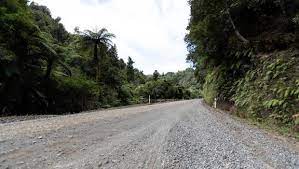
Suddenly, the old road, the old lady, the abandoned and rejected stone, had gotten a new life, a regeneration, a rebirth, and a functional profile, of relevance, as the road is now wearing a “Tear Rubber Look” and ready to be commissioned to mark one year in office of Governor Siminalayi Fubara on 14th day of May, 2024.
But the Road, now dubbed: “Old Port Harcourt – Eleme – Bori Road, has not always been old. It was our own known version of an express road back then.
Historical notes on Rivers State reveal that the Road many years ago, started from Bori and terminated at Elelenwo Train Station. The Colonial Administration used it like a stone to kill two birds.
The first, was to serve the local farmers coming to Port Harcourt with agricultural produce from the Ogoni axis, by conveying those agriculture products from Elelenwo Train Station to Aba, for the markets, to serve the new trading population that was emerging via palm oil business.
The second reason was to serve the Oil Mill facility with palm oil fruits from the Igbo hinterland, which needed to be refined and milled, before transporting via the harbour in Port Harcourt  overseas, Europe or Ala-bekee, alias Obodo Ndeocha as our forebears called it.
Elelenwo then was a major connecting artery in the South – Eastern trade route, and served as a hub, for both farmers, buyers and local transporters, mostly bicycle riding entrepreneurs from Eleme, Gokana, Tai and Khana villages.
It was, therefore cheering news, when Dr Tammy Danagogo, the Secretary to Rivers State Government, while addressing the Media as Chairman of the Governor Fubara’s One Year in Office Anniversary Celebration Committee, announced that 11 kilometer segment of the “Old Eleme, Bori Road, which had been given a total rehabilitation, would be commissioned, alongside other roads.
The reconstructed segment stretches from Akpajo to Aleto – Nchia – Ogale – Ebubu – Eteo. It would serve as an alternative to the East – West road where tankers, heavy duty vehicles and container conveying trucks dominate other road users, sometimes leading to accidents.
Who knows, maybe, if that old road had been resurfaced by past administrations, and had been in use before this period, the ugly incident of fire disaster last few days, may not have happened.
We may yet thank Governor Siminalayi Fubara, for reconstructing this road, and averting further disaster on the East-West Road.
Emerging out of that pre-anniversary press conference is the news that the second stretch of the Trans-Kalabari Highway, that will eventually link – up Bakana, Tombia, Bukuma, among other communities with the rest of the mainland Rivers State is to be flagged off, plus the   Elele— Omoku dual carriage way.
The Andoni axis of the Ogoni – Opobo – Andoni Unity Road, according to Danagogo, would be commissioned to give the road, its complete cycle, as the initiators of the project had envisioned building  a major road to traverse through Rivers, and hitting the Atlantic coast line.
While we thank Governor Fubara for giving a fresh new refined look and status to the Old Port Harcourt – Eleme – Bori Road, it is our wish that the reconstruction should be extended to link up Nonwa— Kira – Sakpenwa, where it will connect the already completed segment of Sakpenwa – Bori – Kono  axis.
As the entire users of the East West road look forward to the D-Day, 14th May,  when Governor Fubara would step out to cut the tape on that road, it is time to appeal to the Eleme Local  Government Chairman to be proactive, and do something about the Nchia Market where traders openly display their goods, and sell right in the centre of the road, thereby distorting traffic flow.
Apart from affecting the flow of traffic on that road, the traders’ activities are a bold statement on the presence or absence of a local authority.

By: Blessing  Nwikina

 

Continue Reading

Opinion

Empowering Youth  Through Agriculture 

Published

on

Quote:”While job seeking youths should  continuously acquire skills and explore opportunities within their immediate environment as well as in the global space through the use of digital platforms, government, corporate/ multinational organizations or the organised private sector should generate skills and provide the enabling environment for skills acquisition, through adequate funding and resettlement packages that will provide sustainable economic life for beneficiaries”.
The Governor of Rivers State, Sir Siminalayi Fubara, recently urged youths in the Rivers State to take advantage of the vast opportunities available to become employers of labour and contribute meaningfully to the growth and development of the State. Governor Fubara noted that global trends increasingly favour entrepreneurship and innovation, and said that youths in Rivers State must not be left behind in harnessing these opportunities. The Governor, represented by the Secretary to the State Government, Dr Benibo Anabraba, made this known while declaring open the 2026 Job Fair organised by the Rivers State Government in partnership with the Nigeria Employers’ Consultative Association (NECA) in Port Harcourt. The Governor acknowledged the responsibility of government to create jobs for its teeming youth population but noted that it is unrealistic to absorb all job seekers into the civil service.
“As a government, we recognise our duty to provide employment opportunities for our teeming youths. However, we also understand that not all youths can be accommodated within the civil service. This underscores the need to encourage entrepreneurship across diverse sectors and to partner with other stakeholders, including the youths themselves, so they can transition from being job seekers to employers of labour,” he said. It is necessary to State that Governor Fubara has not only stated the obvious but was committed to drive youth entrepreneurship towards their self-reliance and the economic development of the State  It is not news that developed economies of the world are skilled driven economies. The private sector also remains the highest employer of labour in private sector driven or capitalist economy though it is also the responsibility of government to create job opportunities for the teeming unemployed youth population in Nigeria which has  the highest youth unemployed population in the subSahara Africa.
The lack of job opportunities, caused partly by the Federal Government’s apathy to job creation, the lack of adequate supervision of job opportunities economic programmes, lack of employable skills by many youths in the country have conspired to heighten the attendant challenges of unemployment. The challenges which include, “Japa” syndrome (travelling abroad for greener pastures), that characterises the labour market and poses threat to the nation’s critical sector, especially the health and medical sector; astronomical increase in the crime rate and a loss of interest in education. While job seeking youths should  continuously acquire skills and explore opportunities within their immediate environment as well as in the global space through the use of digital platforms, government, corporate/ multinational organizations or the organised private sector should generate skills and provide the enabling environment for skills acquisition, through adequate funding and resettlement packages that will provide sustainable economic life for beneficiaries.
While commending the Rivers State Government led by the People First Governor, Sir Siminilayi Fubara for initiating “various training and capacity-building programmes in areas such as ICT and artificial intelligence, oil and gas, maritime, and the blue economy, among others”, it is note-worthy that the labour market is dynamic and shaped by industry-specific demands, technological advancements, management practices and other emerging factors. So another sector the Federal, State and Local Governments should encourage youths to explore and harness the abounding potentials, in my considered view, is Agriculture. Agriculture remains a veritable solution to hunger, inflation, and food Insecurity that ravages the country. No doubt, the Nigeria’s arable landmass is grossly under-utilised and under-exploited.
In recent times, Nigerians have voiced their concerns about the persistent challenges of hunger, inflation, and the general increase in prices of goods and commodities. These issues not only affect the livelihoods of individuals and families but also pose significant threats to food security and economic stability in the country.  The United Nations estimated that more than 25 million people in Nigeria could face food insecurity this year—a 47% increase from the 17 million people already at risk of going hungry, mainly due to ongoing insecurity, protracted conflicts, and rising food prices. An estimated two million children under five are likely to be pushed into acute malnutrition. (Reliefweb ,2023). In response, Nigeria declared a state of emergency on food insecurity, recognizing the urgent need to tackle food shortages, stabilize rising prices, and protect farmers facing violence from armed groups. However, without addressing the insecurity challenges, farmers will continue to struggle to feed their families and boost food production.
In addition, parts of northwest and northeast Nigeria have experienced changes in rainfall patterns making less water available for crop production. These climate change events have resulted in droughts and land degradations; presenting challenges for local communities and leading to significant impact on food security. In light of these daunting challenges, it is imperative to address the intricate interplay between insecurity and agricultural productivity.  Nigeria can work toward ensuring food security, reducing poverty, and fostering sustainable economic growth in its vital agricultural sector. In this article, I suggest solutions that could enhance agricultural production and ensure that every state scales its agricultural production to a level where it can cater to 60% of the population.
This is feasible and achievable if government at all levels are intentional driving the development of the agricultural sector which was the major economic mainstay of the Country before the crude oil was struck in commercial quantity and consequently became the nation’s monolithic revenue source. Government should revive the moribund Graduate Farmers Scheme and the Rivers State School-to-Land agricultural programmes to operate concurrently with other skills acquisition and development programmes. There should be a consideration for investment in mechanized farming and arable land allocation. State and local governments should play a pivotal role in promoting mechanized farming and providing arable land for farming in communities. Additionally, allocating arable land enables small holder farmers to expand their operations and contribute to food security at the grassroots level.
 Nigeria can unlock the potential of its agricultural sector to address the pressing needs of its population and achieve sustainable development. Policymakers and stakeholders must heed Akande’s recommendations and take decisive action to ensure a food-secure future for all Nigerians.
By: Igbiki Benibo
Continue Reading

Opinion

Of Protests And Need For Dialogue 

Published

on

Quote:“.Across Abuja, Anambra, and Lagos, a common thread emerges: a disconnect between authority and empathy. Government actions may follow policy logic, but citizens respond from lived experience, fear, and frustration. When these realities collide without dialogue, the streets become the arena of engagement”
It was a turbulent week in the country, highlighting the widening gap between government intentions and public perception. From Abuja to Anambra and Lagos, citizens poured into the streets not just over specific grievances but in frustration with governance that often appears heavy-handed, confrontational, or insufficiently humane. While authorities may genuinely act in the public interest, their methods sometimes aggravate tensions rather than resolve them.
In Abuja, the strike by workers of the Federal Capital Territory Administration (FCTA) and the Federal Capital Development Authority (FCDA) under the Joint Union Action Committee (JUAC) brought the capital to a near standstill. Their demands included five months’ unpaid wages, hazard and rural allowances, promotion arrears, welfare packages, pension and National Housing Fund remittances, and training and career progression concerns. These are core labour issues that directly affect workers’ dignity and livelihoods. Efforts to dialogue with the FCT Minister reportedly failed. Even after a court ordered the strike to end, workers persisted, underscoring the depth of discontent. Threats and sanctions only hardened positions.
The FCT crisis shows that industrial peace cannot be enforced through coercion. Dialogue is not weakness; it is recognition that governance is about people. Meeting labour leaders, listening attentively, clarifying grey areas, and agreeing on timelines could restore trust. Honesty and negotiation are far more effective than threats.
In Anambra, protests by Onitsha Main Market traders followed the government’s closure of the market over continued observance of a Monday sit-at-home, linked to separatist agitation. Governor Chukwuma Soludo described compliance as economic sabotage, insisting Anambra cannot operate as a “four-day-a-week economy.” While the governor’s concern is understandable, threats to revoke ownership, seize, or demolish the market risk escalating tensions. Many traders comply out of fear, not ideology. Markets are social ecosystems of families, apprentices, and informal networks; heavy-handed enforcement may worsen resistance. A better approach combines persuasion, dialogue with market leaders, credible security assurances, and gradual confidence-building. Coordinated political engagement with federal authorities could also reduce regional tensions.
In Lagos, protests erupted over demolition of homes in low-income waterfront communities such as Makoko, Owode Onirin, and Oworonshoki. The state defended these actions as necessary for safety, environmental protection, and urban renewal. While objectives are legitimate, demolitions drew criticism for lack of notice, compensation, and humane resettlement. Urban development without regard for human consequences risks appearing elitist and anti-poor. Where demolitions are unavoidable, transparent engagement, fair compensation, and realistic relocation must precede action to maintain public trust and social stability.
Across Abuja, Anambra, and Lagos, a common thread emerges: a disconnect between authority and empathy. Government actions may follow policy logic, but citizens respond from lived experience, fear, and frustration. When these realities collide without dialogue, the streets become the arena of engagement.
Democracy cannot thrive on decrees, threats, or bulldozers alone. Leaders must listen as much as they command, persuade as much as they enforce. Minister Wike should see labour leaders as partners, Governor Soludo must balance firmness with sensitivity, and Lagos authorities should align urban renewal with compassion and justice. Protests are signals of communication failure. Dialogue, caution, and a human face in governance are not optional—they are necessities. Police and security agencies must respect peaceful protest as a constitutional right.
By:  Calista Ezeaku
Continue Reading

Opinion

Tackling Noise Pollution in Nigeria

Published

on

Quote:”Noise pollution is not merely an inconvenience; it is a silent threat to health, dignity, and the right of every Nigerian to live in peace. Worship should uplift the soul, not assault the ears.”
The viral video of former Abia State Commissioner for Local Government and Chieftaincy Affairs, Mr. Charles Ogbonna, chasing worshippers out of a worship center in Ibeku, Umuahia, with a cutlass sparked widespread outrage—and understandably so. No citizen, regardless of provocation, has the right to threaten others with a weapon. Such behavior is unacceptable in a civilized society and must be condemned. Yet outrage alone does not capture the full picture. Reports indicate that Mr. Ogbonna acted after enduring prolonged and excessive noise from the Umuobasi Town Hall, allegedly used for religious activities, which made life unbearable for residents. A resident, Chinedu, told journalists that the former commissioner stormed the hall around 1 a.m., after hours of blaring noise deprived people of sleep. While self-help was the wrong approach—he should have reported the matter to authorities—this incident highlights a deeper problem:
 Nigeria’s culture of unchecked noise pollution and the failure of authorities to protect citizens’ right to peace, rest, and a healthy environment. When legitimate complaints are ignored, frustration builds—sometimes with dangerous consequences. Noise pollution in Nigeria is pervasive. Worship centers, commercial activities, motor parks, roadside traders, and private generators create an environment of relentless noise. So normalized is this that many Nigerians feel powerless to act. This culture of indifference—trampling on the right to quiet in the name of worship, celebration, or business—must end. Noise is not a minor inconvenience. It is a serious environmental and public health hazard. Medical experts warn that prolonged exposure to excessive noise can cause hearing loss, hypertension, cardiovascular disease, sleep disorders, anxiety, and other psychological conditions
. The British Medical Bulletin notes that constant noise triggers stress responses that may lead to illness. Sleep deprivation—a common consequence—reduces productivity, undermines emotional stability, and worsens overall wellbeing. In a country already struggling with health challenges, noise pollution quietly compounds the problem. So what are Nigerian authorities doing? The truth is: the laws exist but enforcement is weak. Section 22 of the National Environmental Standards and Regulations Enforcement Agency (NESREA) Act, 2007 empowers NESREA to regulate noise from industrial, commercial, domestic, recreational, and transport sources. Violations can attract fines or imprisonment. Likewise, the National Environmental (Noise Standards and Control) Regulations, 2009 clearly define permissible noise levels across residential, commercial, and industrial zones.
The problem is not the absence of laws—it is the absence of will. Many citizens are unaware of their rights or where to report violations. Regulatory agencies are often underfunded, poorly equipped, and hesitant to act, particularly when influential religious or commercial interests are involved. The Umuahia incident is a textbook example of institutional failure: when lawful channels fail repeatedly, some individuals take the law into their own hands. Enforcement must be firm, consistent, and impartial. Environmental agencies need funding, modern noise-monitoring equipment, and trained personnel capable of responding swiftly. Laws must apply to all—churches, mosques, clubs, hotels, and individuals alike. There have been rare instances of decisive action. A decade ago, the Lagos State Government sealed 53 churches, mosques, and hotels for noise violations, following complaints from residents.
In October 2025, Lagos again sealed several establishments over excessive noise. Yet, such crackdowns are often temporary. Churches and mosques continue to dominate neighborhoods with blaring loudspeakers, making sleep a luxury during week-long vigils or pre-dawn sermons. For the elderly, the sick, and those who work long hours, this is more than an annoyance—it is harmful. Compared to many developed countries, Nigeria’s situation is embarrassing. Elsewhere, worship is associated with calm, reflection, and serenity. Noise levels are strictly regulated, and places of worship are often soundproofed. The question arises: is God in Nigeria hard of hearing, or has shouting simply become the default mode of expression?The rapid proliferation of worship centers has worsened the problem. Many spring up indiscriminately in high-density areas, markets, and private compounds, with little regard for zoning laws or environmental standards.
 This neglect undermines productivity, social harmony, and quality of life. Noise pollution is a silent threat, eroding health and dignity in ways that often go unnoticed. Decisive action is urgently needed. Agencies must be strengthened, insulated from political and religious pressure, and empowered to enforce laws consistently. Offenders must face consequences regardless of influence. Public enlightenment is equally crucial: many Nigerians are unaware that excessive noise is harmful or that they have a legal right to quiet enjoyment of their environment. Sustained education through media, schools, and community forums can shift attitudes. Religious leaders, in particular, must understand that consideration for neighbors is not an attack on faith but a moral responsibility. Soundproofing standards for worship centers and entertainment venues should be adopted nationwide.
Worship should uplift the soul, not assault the ears. Freedom of religion and expression must coexist with responsibility and respect for others. Noise is an inevitable part of urban life, but chaos is not. Nigeria cannot continue as a society where “anything goes.” Psychologists argue that education, stricter enforcement, and changes in personal habits can make a significant difference. If citizens are empowered to demand accountability and authorities act decisively, Nigeria can become a healthier, more livable society.
The Umuahia incident should serve as a wake-up call—not just about individual misconduct but about systemic failure. Protecting citizens from noise pollution is not merely about silence; it is about dignity, health, and the right to live in peace.
By: Calista Ezeaku
Continue Reading

Trending