
Business
FG Spends N45.89bn On 1,375 Rural Power Projects

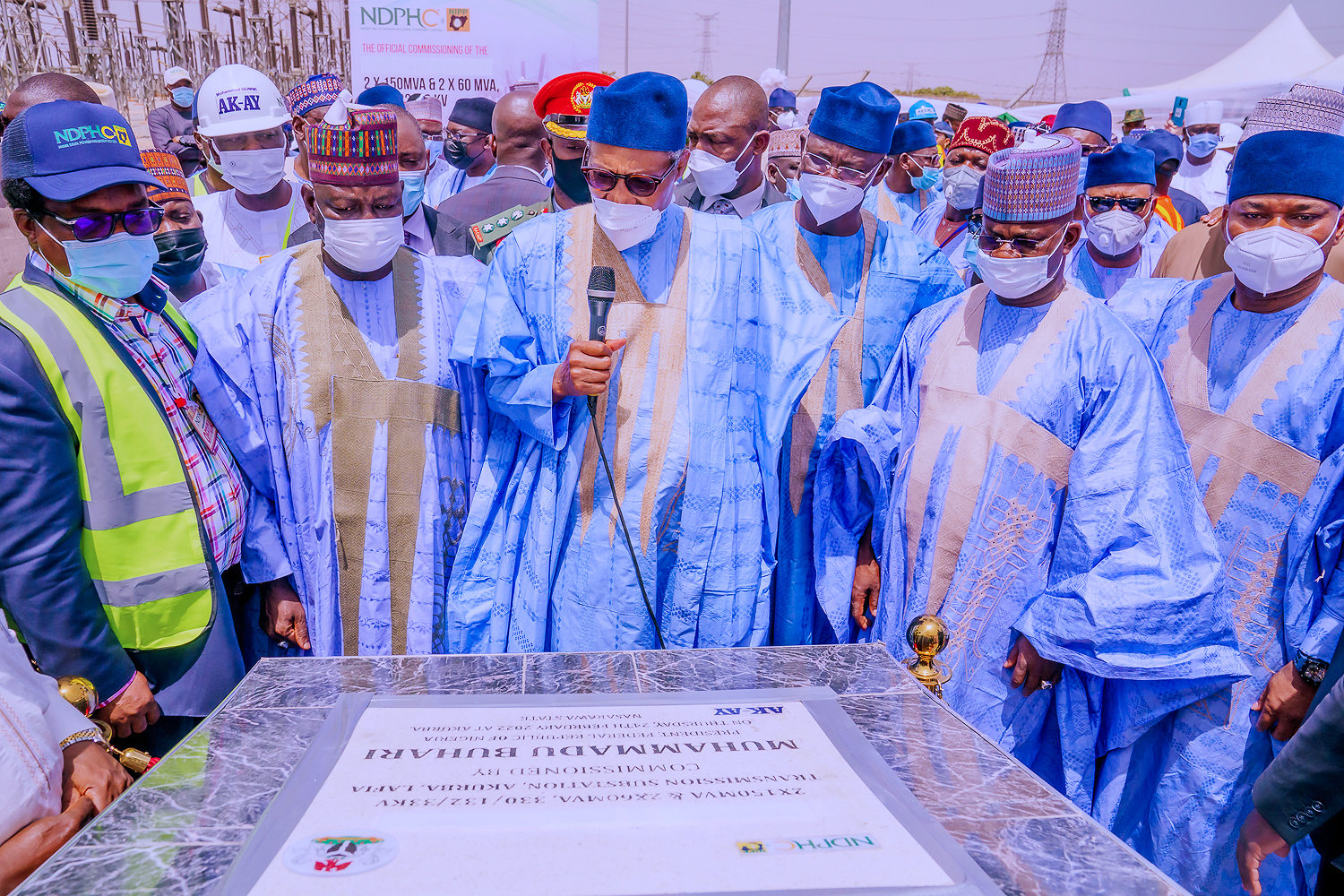
The Federal Government of Nigeria has spent N45.89billion to complete a total of 1,375 rural power projects in various communities across the country in three years.
According to data obtained from the Rural Electrification Agency (REA), between 2020 and 2022, the Federal Government, through its REA, undertook the projects by growing the capacity of the national power grid, increasing the number of mini-grids, deploying solar home systems, and installing solar street lights.
“Capital projects in the last three years, 2020 – 2022, is 1,375 in number. Total projects cost is N45.89bn”, the REA stated in its 2022 Strategic Interventions report.
A breakdown of the projects indicated that the government was able to deliver an installed capacity of 238.4 megawatts to the national electricity grid during the review period.
It said a total of 476,800 households benefitted from this, as the installed capacity on the grid affected 2.38 million people, while the cost of this particular project was N19.11bn.
The report stated that a total of 67 mini-grids developed during the three-year period, provided 0.64MW of electricity to 657.14 households, comprising of a total of 3,290 persons, while N6.35bn was spent on this particular project.
The REA also provided 556 solar homes systems to support 2,780 people, at a cost of N1.03bn during the three-year period.
The Tide source further gathered that a total distance of 557.5km was covered with solar street lights provided by the agency at a cost of N17.96bn during the same period.
The report outlined REA’s interventions for the year 2022, in the delivery of capital projects, including the preliminary needs assessment and implementation framework for the 2022 electrification programmes.
It named the programmes to include the deployment of solar mini-grids (high-capacity productive use), solar water pumps (irrigation schemes) and solar home systems (low-capacity productive use) across the six geopolitical zones in Nigeria.
“Before the strategic interventions, some of the baseline conditions and challenges of the beneficiaries included access to electricity and water, petrol consumption patterns, security conditions, employment conditions, gender inclusivity and major crops produced.
“After the interventions, an assessment exercise was then conducted to determine the social, environmental, and economic impact on the livelihoods in the beneficiary communities”, the report stated.
It stated that in 2022, six communities were equipped with a 100-kW solar mini-grid system.
“The systems were designed to prioritise productive users, including agro-processing businesses, homes, commercial users, as well as public spaces.
“Over 8,155 lives and 5,000 active farmers have been impacted with uninterrupted power supply and clean affordable water, translating to over 60 direct and indirect jobs created, improved security, increased productivity, improved healthcare, as well as the decommissioning of over 40 diesel and petrol generators.
“Based on the current and future estimations, the reductions in carbon emissions were also encouraging”, the agency said.
It continued that 1,392 irrigation solar pumps were distributed across the six geopolitical zones, reaching 1,300 male and 92 female beneficiaries, as well as about 200 farm clusters.
“Over 11,000 lives and 6,000 farmers (including about 810 female farmers) have been directly impacted. This impact has translated to the illumination of over 170 farms with solar street lights, the training of over 3,000 farmers on pump maintenance and new irrigation practices, and more importantly, cost savings”, the report stated.



-

 Editorial1 day ago
Enough Of Xenophobic Attacks On Nigerians
-

 Nation1 day ago
RSU, Otonti Nduka Foundation Holds Centenary Conference, Unveil Book on Values in Nigeria
-

 Oil & Energy1 day ago
Rivers PETROAN Elects 12-Member Executive
-
Politics1 day ago
APC Group Protests Ex–Presidential Aspirant’s Disqualification From Rivers Senatorial Race
-

 Environment1 day ago
MOSOP – Tinubu Not Sincere With Ogoni People For Oil Resumption
-
Politics1 day ago
Reps Speaker Secures APC Return Ticket For Fifth Term
-

 News2 days ago
Fubara, Wife Hail Tinubu’s Renewed Hope Initiative …As Over 6,800 Families Benefit From Largesse In Rivers
-

 Sports1 day ago
Oparaodu Urges Rivers United To Win Katsina United