
Business
Excessive Borrowing From CBN Threatens Exchange Rate, Others – Report

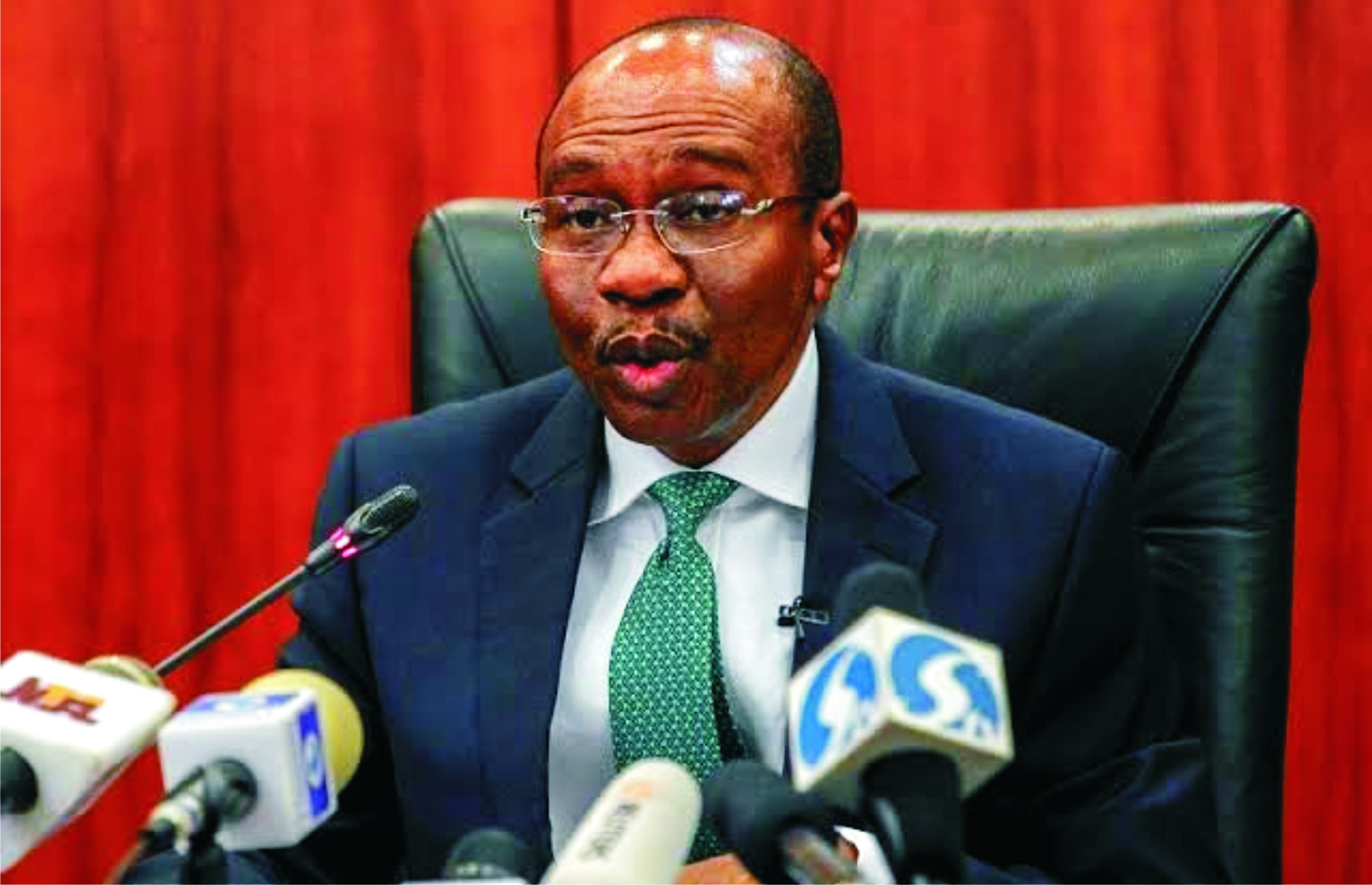
Excessive and continuous borrowing from the Central Bank of Nigeria (CBN), by the Federal Government through the Means and Ways Advances window can have adverse effects on the apex bank’s monetary policy, and subsequently harm domestic prices and exchange rates.
This was disclosed in the recent monetary policy category of the CBN’s Frequently Asked Questions page.
Under the sub-section, titled ‘Can the Federal Government frustrate the Central Bank of Nigerian from pursuing its monetary policy?’, it was stated that there were certain distortions or surges in the monetary base due to the CBN’s financing deficits.
“Yes, when the Federal Government exceeds its revenue, the CBN finance government deficit through Ways and Means Advances subject (in some cases) to the limits set in the existing regulations, which are sometimes disregarded by the Federal Government.
“The direct consequences of the central bank’s financing of deficits are distortions or surges in monetary base, leading to adverse effect on domestic prices and exchange rates, i.e macroeconomic instability, because of excess liquidity that has been injected into the economy”, the response report explains.
Ways and Means Advances is a loan facility by the apex bank to finance the government during temporary budget shortfalls subject to limits imposed by law.
The Federal Government’s rising borrowing from the CBN has been a source of concern to economic experts and stakeholders.
A global credit rating agency, Fitch Ratings, had in January 2021 raised concerns over the Federal Government’s repeated recourse to its Ways and Means facility with the CBN.
It criticised the CBN for allowing the Federal Government’s borrowing to exceed the five per cent limit.
“The CBN’s guidelines limit the amount available to the government under its Ways and Means Facility to five per cent of the previous year’s fiscal revenues.
“However, the FGN’s new borrowing from the CBN has repeatedly exceeded that limit in recent years, and reached around 80 per cent of the FGN’s 2019 revenues in 2020,” it said.
The agency said that the use of central bank financing in Nigeria could raise pose macro-stability risks in the context of weak institutional safeguards that preserve the credibility of policymaking and the ability of the central bank to control inflation.
Although Fitch Ratings said it expected the Nigerian government to reduce its use of the CBN facility, it remains unclear whether the apex bank would cut down on its continued financing of the government’s deficit.
The N15.51tn owed the CBN by the Federal Government is not part of the country’s total public debt stock, which stood at N38tn as of September 2021.
In the first six months of 2021, the Federal Government borrowed N2.4tn from the CBN, more than half of what it got in 2020.



Business
Jonathan, Diri, Others Laud Firm’s Milestone in Bayelsa …Says Project Will Drive Industrialisation, Create Jobs



-

 News3 days ago
RSG Targets Nine Million Residents in Mosquito Net Distribution Campaign
-

 Oil & Energy2 days ago
Aiyedatiwa Signs New Electricity Bill
-

 Maritime2 days ago
Marine Minister Commends President Tinubu On NPERA Bill Assent
-

 Oil & Energy2 days ago
NLNG Commissions Research And Innovation Centre In RSU
-

 News3 days ago
KenPoly Holds Eight Convocations, August 29
-

 News3 days ago
RSG Begins Another Phase of Projects Commissioning Today
-

 News3 days ago
RMAFC Completes Revenue Sharing Review, Proposes New Pay
-

 Maritime2 days ago
NAGAFF Petitions IGP Over Alleged Maritime Police Harassment