
Politics
Fayemi Canvasses Nigeria’s Restructuring

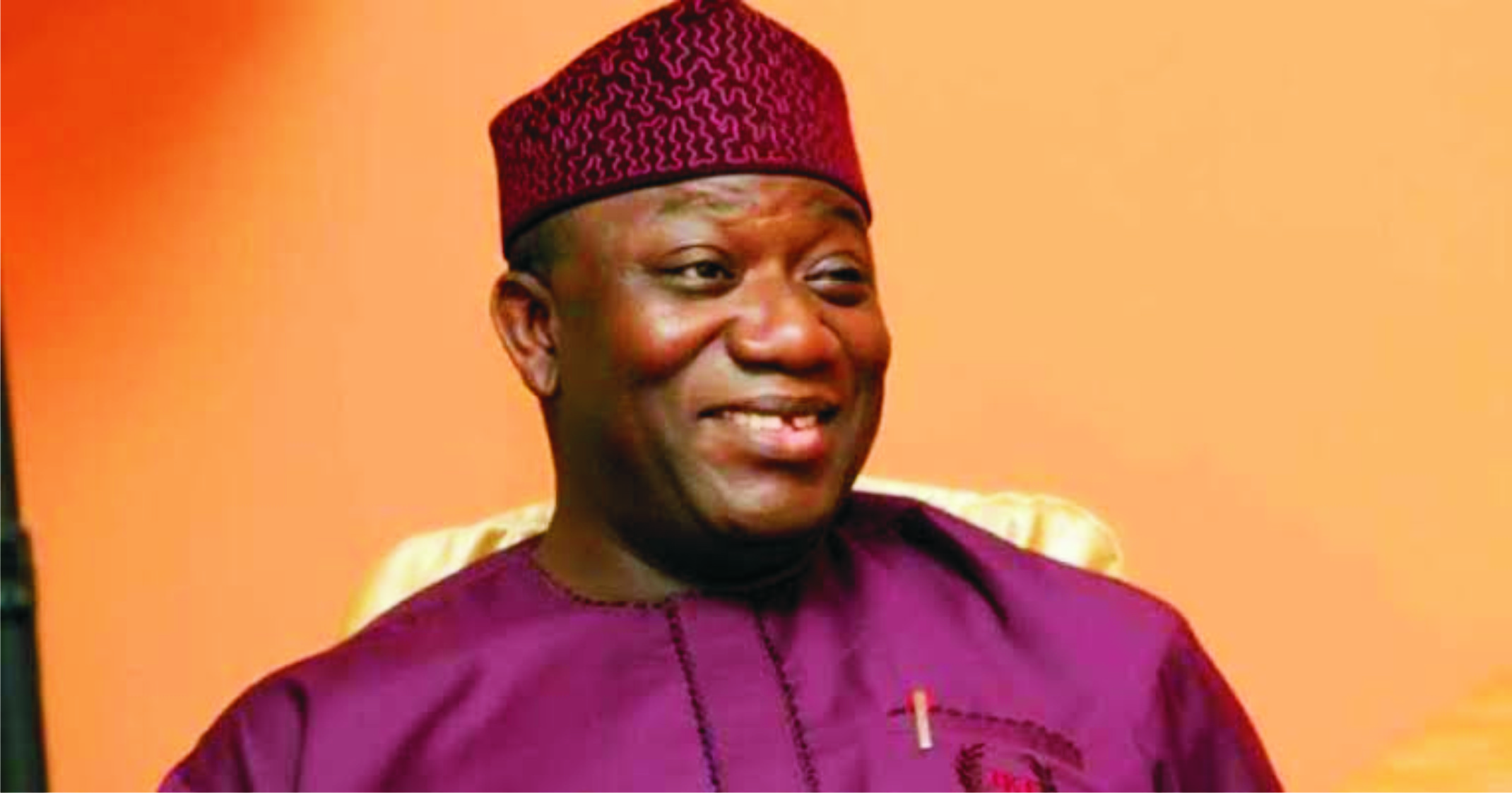
Ekiti State Governor and chairman of Nigeria Governors Forum (NJF), Kayode Fayemi, has said that time has come for Nigerians to confront the reality of restructuring the country.
He said it was time to figure out a structure that is more responsive to the yearnings of the population, cautioning that the Nigerian federation is currently not working.
Governor Fayemi made the remarks, yesterday at an interactive session with a select group of journalists in Lagos.
The NGF chairman said the current challenges facing Nigeria have shown a clear justification for more devolution of not just functions but resources of the country.
He said: “I think we are getting to a point where we must confront our reality as a federation. We cannot continue to run the economy the way we are doing.
“We have to figure out a structure that is more responsive to the yearnings of the population and this current structure obviously privileges those who are more associated with a unitary federal structure rather than a genuine federal structure that is accountable more to the people and responsive to the challenges that the people have.
“What that structure should be, of course, has been a subject of debate from all sides of Nigeria but clearly the state structure we have now is problematic.
“What is a federal road? The people plying the road in my state do not know the difference between a federal and state road. All they would say is that Mr Governor, you are not doing your job.”
He added: “There is entrenched interest to keep Nigeria the way she is; no doubt but there are also entrenched interests of those determined that this country must change and must change for the better.”
He expressed hope that Nigerians would be able to push the argument further to a point where the resources and the powers that reside in Abuja can be devolved effectively including the revenue to support the responsibilities.
He said: “I am a known advocate of fiscal federalism and I am saying that even those who were reluctant before are being confronted daily with these challenges and they are asking themselves how long can we continue to do this? Am I elected just to pay salaries?
“It is not just about revenue but creating the enabling environment that would allow investments to thrive in our various states.”
He said he did not see the conflict between the pursuit of fiscal federalism and expanding the devolution project whether one calls it restructuring or constitutional reforms.
He said: “The national Assembly should put together the various constitutional reforms to be consolidated with the report from the APC governors and subject it to a national referendum. I don’t think it is a rocket science but maybe there isn’t that political will in the National Assembly. They cannot say it is Buhari or APC governors that have stopped them from doing this because we have done our bit.”
He decried the current level of insecurity in the country, saying that for effective policing, there should be a localisation of the institution.

Politics
Alleged Coup: Protests Rock N’Assembly As Detained Officers’ Children, Wives Demand Justice

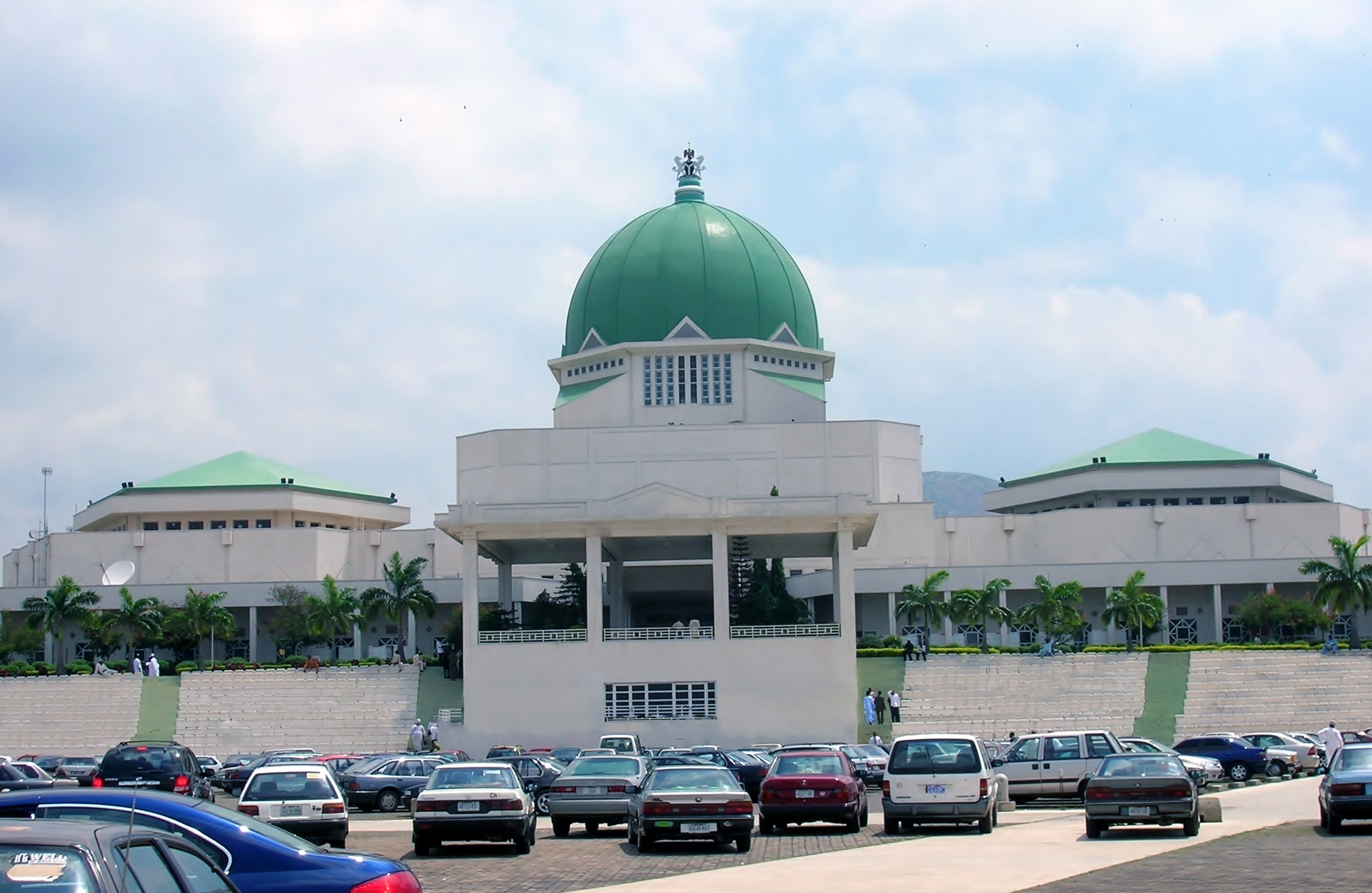
Scores of children and wives of military officers detained over an alleged coup plot yesterday staged a peaceful protest at the National Assembly, demanding a speedy trial and the release of the accused officials.
The protesters who gathered at the entrance of the National Assembly complex, moved in a slow procession while clutching placards with inscriptions such as “Don’t Kill Our Daddies,” “Detention Without Trial is Injustice,” and “Six Months of Torture: Enough Is Enough.”
Amid tears and trembling voices, the children appealed for justice and access to their detained fathers, many of whom they said they had not seen for months.
The appeal was made during a press briefing in Abuja attended by no fewer than 20 wives and several children of the detained officers, including a two-month-old baby.
The families were accompanied by human rights lawyer, Deji Adeyanju and activist Omoyele Sowore.
At the briefing, the families lamented that the officers had been held for over 160 days without trial or contact with their relatives, describing the situation as a violation of their fundamental rights.
Speaking on behalf of the families, Memuna Bashiru said the prolonged detention had thrown their households into uncertainty and emotional distress, noting that while allegations had been widely publicised, families remained in the dark about the fate of their loved ones.
The arrest of the indicted officers was first announced on October 4, 2025, by the then Director of Defense Information, Brigadier General Tukur Gusau, who disclosed that 16 officers were taken into custody for alleged breaches of military regulations and acts of indiscipline.
However, an interim investigation later suggested the existence of a clandestine network of officers, allegedly coordinated by a senior Army officer, which had begun preliminary planning for a coup.
According to the report, the alleged plot involved surveillance of key national assets, including the Presidential Villa, Armed Forces Complex, Niger Barracks in Abuja, and major international airports, with October 25, 2025, cited as the planned date for the operation.
Those reportedly in custody include Brig Gen M. A. Sadiq, Col M. A. Maaji, Lt Col S. Bappah, Lt Col A. A. Hayatu, Lt Col P. Dangnap, Lt Col M. Almakura, Maj A. J. Ibrahim, Maj M. M. Jiddah, Maj M. A. Usman, Maj D. Yusuf, Capt I. Bello, Capt A. A. Yusuf, Lt S. S. Felix, Lt Cdr D. B. Abdullahi, Sqn Ldr S. B. Adamu and Maj I. Dauda.
The alleged plot, according to findings, targeted senior government officials, including President Tinubu and Vice President Kashim Shettima.

In a statement issued yesterday, the party’s National Publicity Secretary, Mr Felix Morka, said the exercise would take place in all wards and designated centres nationwide.
He called on existing members to update their records, while encouraging new entrants to join the party through the digital platform.
“As the electronic membership registration exercise resumes in all wards and designated locations nationwide, we urge existing members to validate their membership while new members are encouraged to register and join the progressive family,” Mr Morka said.
According to him, eligibility for registration is limited to individuals aged 18 and above who possess a valid National Identification Number (NIN).
The party said the initiative is part of efforts to modernise its operations by transitioning to a digital database that would enhance record accuracy and accessibility.
Mr Morka noted that the e-registration would “digitise the party’s membership register, ensure the integrity of records, and enhance efficient access to membership data for planning and management decisions.”
He added that the move is also aimed at promoting internal democracy within the party and strengthening its commitment to democratic innovation.
The APC had previously introduced electronic registration as part of broader reforms to streamline its membership system and improve organisational efficiency.
-
Opinion4 days ago
Ozoro Festival: Tradition or Tyranny?
-
News2 days ago
Decentralizing Pipeline Surveillance Poses Greater Dangers To Niger Delta …. Group Warns
-
 Politics2 days ago
APC Resumes Electronic Membership Registration Nationwide
-

 Rivers2 days ago
Court Rules Out Interim Administration In Jumbo House, Bonny
-
Politics4 days ago
RIVERS WOMEN RALLY SUPPORT, CONTINUOUS PRAYERS FOR TINUBU
-
Politics4 days ago
AKPABIO, DIRI, OBOREVWORI, OTHERS VOW TO REELECT TINUBU …AS GIADOM RETAINS APC ZONAL CHAIR
-
 Business2 days ago
33 Banks Raise N4.65tn As Recapitalisation Ends
-
Politics4 days ago
Viral 2027 Nomination Forms Price List Fake, Misleading – APC