Connect with us

Opinion

Between Zamfara Gold And N’Delta Oil

Published

on

A front page news item in The Tide of Monday Oct. 12, 2020, read: “Wike Didn’t Comment on Zamfara Gold, RSG Clarifies”. Another front page, Oct. 21, 2020, read: “Zamfara Gold Bar: N’Delta Youths Demand Direct Sale of Oil”. Rivers State Governor, Chief Nyesom Wike, did not need to comment on the issue of Gold extraction and sale in Zamfara State because that issue is already a public knowledge. Neither was it necessary to refute or clarify any controversy about a governor making any comment about the extraction and sale of gold in Nigeria.
Is it true or false that individuals and organizations are being permitted to prospect, mine and sell gold in certain parts of Nigeria? Similarly, is it true or false that there was a Decree No. 51 (1969) which made mineral oil and gas to become national resources? Is it true or false that Gold is a symbol of human clever intrigues, avarice and political shenanigans? Would any honest Nigerian deny the fact that the issue of mineral oil and gas is a key factor in Nigeria’s political economy?
What appears to be taken for granted is the fact that the Nigerian masses are being bamboozled without their knowing so. Similarly, that Nigerian politics was described by a former head of state as a “do-or-die affair”, is a clear reflection of the shenanigans connected with the nation’s political economy.
It may be true to say that social media and wrong uses of information and communications are factors which can fuel gossips, protests and social unrests. But it is even truer to say that gossips, protests and social unrests arise where the masses are not told the truth by those who owe them such social responsibility. There are usually dangers in a continued bamboozlement of the masses, even when they are regarded as cowardly, ignorant and lazy people. You can rarely tell when cowardly, ignorant and lazy persons get secret allies and advisers who can spur them into protests!
It can hardly be denied that cryptocracy and mendacracy can be mixed up into the practice of a democracy. This is more so when governance is characterized by some claudestine and faceless groups often called cabals, in a polite manner. While a government can employ spin-doctors, propagandists and image makers with good intentions, things often turn out that the use of mendacity predominates in such practices. Especially with the possibility of allocation of gold mining right or oil blocks as enticement, can there be a guarantee that friends of the government in power cannot resort to mendocracy and cryptocracy? Gold wins!
Is it not possible that government officials, power blocs, politicians and pressure groups can undermine the implementations of state policies and programmes? Even security agencies cannot be ruled out as possible collaborators in the game of power politics. Or can we deny the fact that power blocks and interest groups can be meddlers and spoilers in politics?
Ultimate goals and responsibilities of any governance include fair and just protection of all sections. Similarly, where there are breaches and lawlessness, responsible governance would ensure that due process of law enforcement be followed without breaches. For any system of governance to presume that the governed or masses are cowards and ignorant fools, would be a dangerous step to take. So-called dividends of a democracy would embrace and include the well-being and happiness of a majority of the populace. If people are happy, you rarely would beg them to be patriotic.
With regards to the shenanigans involved in extraction and management of mineral resources, the Revenue Watch Institute (RWI) gave Nigeria very poor marks in the administration of its oil sector. Special reference was made about secret awards of oil licences, such that “tongues wag through social media”. Neither can we refer to such information on the social media as being all false and unfounded gossips. Can the news that “the Governor of Zamfara State, Bello Matawalle, recently sold goldbars to the Central Bank of Nigeria (CBN) worth about N5 billion” be described as false? Was gold sold?
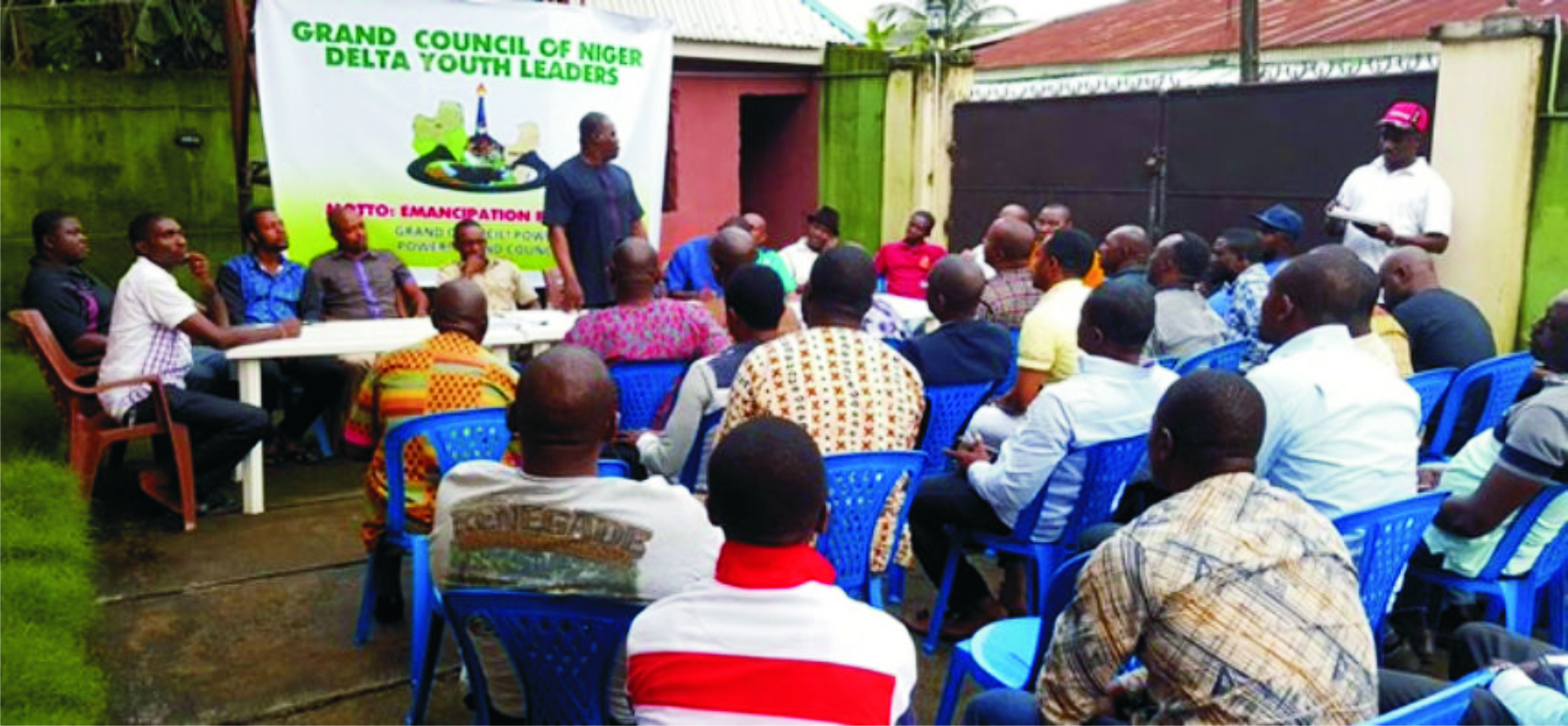
We were told that a group which called itself the Reformed Niger Delta Avengers (RNDA) intends to resume hostilities in the Niger Delta region, over some grievances. Can such a group of aggrieved youths be described as being ignorant of the issues between Zamfara gold and Niger Delta oil? Or, are there no issues?
The Petroleum Industry Bill (PIB) recently scaled through a second reading in the Senate after some exhaustive debates. Controversies over that bill had been such that unprintable speculations flew around in the social media. From its original intents and purposes, various items were smuggled into it and some big issues kept aside. Dr Joseph Ellah, an insider in the oil and gas politics, came up with a 35-page monograph entitled: Implications of the New Petroleum Industry Governance Bill for Nigeria. That protest by a single knowing Nigerian, caused the delay in the passage of the PIB. That monograph by Ellah is there for anyone to read.
Nigerians, particularly people of the Niger Delta zone, would want to know the individuals and groups who have been trying legal and political means to acquire ownership of oil and gas assets that should belong to the Niger Delta people. Reactions from youths and any other groups of aggrieved person, in the forms of peaceful or violent protests, usually depict bottled up tensions caused by many factors.
The antics of hiring hoodlums and miscreants to infiltrate or disrupt a peaceful protest, cannot continue to be the means of diluting and diverting attention away from vital issues that demand solutions. Nigerians are aware of fire-brigade, damage-control antics employed by state spin doctors to handle vital social agitations. Honesty remains the best policy, not shenanigans! Let’s address issues, not shadows!
Dr Amirize is a retired lecturer from the Rivers State University, Port Harcourt.


Bright Amirize

Continue Reading

Opinion

Time and Season Can Tell

Published

on

Quote:”In matters of the heart, seasons expose what emotions try to hide.”
There is a silent crisis unfolding in modern relationships—one that many people endure quietly but rarely articulate. It is the experience of emotional attachment without clarity. Unlike betrayal, which announces itself loudly, or conflict, which forces confrontation, this crisis creeps in softly. It begins with warmth, grows through shared vulnerability, and then dissolves into silence. In my observation, some of the deepest emotional wounds are not inflicted by harsh words or dramatic endings. They are caused by something far subtler: the gradual withdrawal of affection without explanation. Silence in relationships is often mistaken for neutrality, but it is not neutral. Silence communicates—only it does so in a language of confusion. When someone slowly retreats without offering clarity, they leave the other person suspended between hope and reality.
There is no clear goodbye, no decisive closure—only distance. The unanswered messages. The reduced enthusiasm. The subtle shift in tone. Emotional ambiguity can be more painful than open rejection because it denies finality while sustaining expectation. It leaves the heart in limbo. In today’s world of instant communication and digital closeness, emotional intensity is frequently mistaken for love. When someone gives us attention, listens attentively, checks in consistently, and offers companionship during vulnerable moments, it is natural to assume that something meaningful is forming. After all, connection feels like commitment. But attention is not always intention. Closeness is not always clarity. In emotionally complicated relationships, there is often an imbalance that goes unnoticed at first. One person invests deeply—emotionally, mentally, even spiritually—while the other remains cautiously detached.
The connection may feel mutual, but the level of commitment is not. And when investment is unequal, pain eventually follows. One of the most dangerous consequences of such relationships is how subtly we lose ourselves in them. It does not happen overnight. It begins with small shifts. We check our phones more often. We rearrange our schedules. We replay conversations in our minds. Gradually, our emotional world begins to orbit around one person. Friends grow distant. Personal goals lose urgency. Self-worth becomes tied—quietly but firmly—to someone else’s presence and validation. When that person withdraws, the collapse feels catastrophic. Yet the devastation is not solely because love has ended. It is because identity has been shaken. We are not grieving only the person; we are grieving the version of ourselves that depended on them.
Silence, I have come to believe, can function as a form of power. When one person controls communication through distance—responding selectively, appearing and disappearing unpredictably—they unintentionally gain emotional dominance. The other person is left waiting, interpreting, hoping. They analyze every word, every delay, every change in tone. This imbalance may not always be intentional. Sometimes it arises from emotional immaturity or fear of confrontation. Yet its impact is undeniable. It reveals an uncomfortable truth: emotional availability is not guaranteed simply because connection exists. Chemistry does not equal commitment. Attraction does not equal accountability. With time, I began to understand that not every relationship is meant to last. Some people enter our lives not as permanent partners, but as temporary teachers.
 They are not there to complete us, but to confront us—with our vulnerabilities, insecurities, and unmet needs. At first, this realization felt discouraging. It seemed to reduce love to a series of lessons. But eventually, it felt liberating. Emotional loss stopped looking like failure and started looking like revelation. Each experience—especially the painful ones—exposed areas where I needed growth. Where I needed stronger boundaries. Where I needed deeper self-awareness. Boundaries, I have learned, are not barriers against love; they are protections for it. Love without boundaries is not love—it is emotional exposure. Connection without clarity is not intimacy—it is uncertainty. Affection without commitment is not partnership—it is illusion. Healthy love requires mutual understanding, transparency, and intentionality. It demands that both individuals stand on equal emotional ground. Where one speaks, the other listens.
 Where one invests, the other reciprocates. Where one withdraws, the other communicates. Time, more than emotion, reveals truth. In the beginning, feelings are loud. They rush, they excite, they overwhelm. But time tests what emotions promise. It exposes inconsistency. It clarifies intention. It separates temporary attraction from sustainable partnership. Seasons, too, teach us something essential about relationships. No season lasts forever. Some bring growth. Others bring pruning. Some relationships stay long enough to build a foundation; others stay just long enough to teach resilience. Neither is wasted. When we accept that relationships operate in seasons, we release the need to force permanence. We stop chasing clarity from those unwilling to give it. We stop romanticizing inconsistency. We stop equating intensity with depth.
Instead, we begin to value emotional safety over emotional excitement. We learn that peace is more sustaining than passion without direction. We recognize that self-worth must never depend on someone else’s attention.In matters of the heart, time and season always tell.They reveal who is consistent and who is convenient. They expose what is genuine and what is temporary. They show whether a connection is rooted in intention—or merely in circumstance. And perhaps the greatest wisdom is this: not every silence deserves to be decoded. Some silences are answers. When we understand that, we stop fearing endings. We begin trusting timing. We stop clinging to uncertainty and start choosing clarity.Because in the end, the heart may feel quickly—but time always tells the truth.
By: Isiocha Kate
Continue Reading

Opinion

Why Adaeze Deserves A Second Chance 

Published

on

Quote:”If performance is the standard, then continuity in Rivers’ health sector is not a favour — it is a necessity.”
When the executive council was dissolved and political permutations began to dominate conversations across Rivers State, one sector stood out in the public debate,  Health.  In a state where access to quality healthcare remains both a social necessity and political responsibility, performance has become the most persuasive argument. And in those conversations, the name of Adaeze Chidinma Oreh consistently resurfaces. Her tenure as Commissioner for Health was marked not by ceremonial appearances but by visible system reforms that ordinary residents could measure in improved service delivery. From the outset, she placed primary healthcare at the centre of the state’s health strategy, reinforcing the idea that sustainable reform begins at the grassroots.  Primary Health Centres across several local government areas witnessed structural upgrades, improved staffing coordination, and better supply chain management for essential medicines.
Under her supervision, Rivers State deepened participation in the Basic Healthcare Provision Fund, ensuring that federal health allocations translated into tangible services at community level. Health insurance enrolment expanded significantly during her time in office, broadening access to affordable care for civil servants, informal sector workers, and vulnerable populations.  Public opinion often cites this expansion as one of the most impactful interventions of her administration. HIV service delivery also experienced notable scaling. More facilities were equipped to provide testing and treatment services, reducing travel burdens for patients and strengthening continuity of care. Her administration strengthened disease surveillance mechanisms, an important safeguard in a post-pandemic era where preparedness is as critical as response.Beyond expansion of services, she demonstrated regulatory firmness. Illegal and unlicensed medical facilities were shut down, sending a strong message that patient safety would not be compromised.
This crackdown on quackery earned her both commendation and resistance, but public health advocates widely supported the stance as long overdue. Emergency medical response systems received renewed attention. Ambulance coordination and referral systems were reviewed and strengthened, improving response time in critical cases. Maternal and child health programmes gained renewed emphasis. Immunisation campaigns were intensified, and advocacy for respectful maternal care became more pronounced within state facilities. Health workers frequently described her leadership style as consultative. Stakeholder meetings were not mere formalities; they were platforms for problem-solving and accountability. She engaged development partners strategically, aligning donor support with state priorities rather than allowing fragmented programme implementation.International partnerships brought in technical assistance, equipment upgrades, and training opportunities for healthcare personnel.
Transparency also became a visible feature of her administration. When misinformation circulated — particularly around admissions into health training institutions — she addressed the public directly, clarifying facts and protecting citizens from fraud. Within professional circles, she was regarded as technically sound, able to interpret data and translate policy into operational strategy. Her public briefings were often data-driven, reflecting measurable indicators rather than abstract promises. The Primary Healthcare Leadership Challenge saw Rivers State earn recognition during her tenure, reinforcing claims of structured reform. Community outreach was not neglected. Rural communities reported increased supervision visits and closer monitoring of local health facilities. Civil society organisations in Rivers State frequently acknowledged improved responsiveness from the Ministry of Health during her administration.
She maintained visible engagement with frontline workers, visiting facilities and interacting directly with staff and patients. Her approach to governance balanced policy reform with human engagement — a combination many observers believe strengthened trust in the health system. Under her watch, health insurance awareness campaigns improved public understanding of pre-paid healthcare models. She supported integration of technology into health administration, enhancing data reporting and accountability systems. Persons living with HIV/AIDS, women in rural communities, and economically disadvantaged families became central to programme targeting. In public discourse, she was often described as performance-driven rather than politically flamboyant. Awards and recognitions followed, but more importantly, measurable system improvements formed the basis of those honours. Healthcare professionals credited her with restoring a sense of direction to policy implementation.
Her tenure reflected continuity in reform rather than abrupt, cosmetic changes. Critics of political reshuffles argue that the health sector, more than many others, benefits from sustained leadership to consolidate gains. Many residents believe that reform in healthcare requires consistency, institutional memory, and steady administrative hands. As conversations around reappointments intensify, health stakeholders continue to emphasise competence over political balancing. In markets, professional associations, and community meetings, her name surfaces in discussions about measurable impact. The argument is less about sentiment and more about outcomes — expanded insurance coverage, improved primary healthcare structures, firmer regulation, and strengthened partnerships. Rivers State’s health sector remains a work in progress, but public opinion suggests that her administration laid foundations that require continuity rather than disruption.
In a political climate where appointments are often influenced by calculations beyond performance, her tenure stands as a case study in technocratic leadership. If governance is ultimately about service delivery, then health remains one of its clearest tests. And if performance, regulatory courage, grassroots impact, insurance expansion, strengthened disease control systems, and improved public trust are the criteria, then let Adaeze Chidinma Oreh be the person.
By: King Onunwor
Continue Reading

Opinion

Empowering Youth  Through Agriculture 

Published

on

Quote:”While job seeking youths should  continuously acquire skills and explore opportunities within their immediate environment as well as in the global space through the use of digital platforms, government, corporate/ multinational organizations or the organised private sector should generate skills and provide the enabling environment for skills acquisition, through adequate funding and resettlement packages that will provide sustainable economic life for beneficiaries”.

The Governor of Rivers State, Sir Siminalayi Fubara, recently urged youths in the Rivers State to take advantage of the vast opportunities available to become employers of labour and contribute meaningfully to the growth and development of the State. Governor Fubara noted that global trends increasingly favour entrepreneurship and innovation, and said that youths in Rivers State must not be left behind in harnessing these opportunities. The Governor, represented by the Secretary to the State Government, Dr Benibo Anabraba, made this known while declaring open the 2026 Job Fair organised by the Rivers State Government in partnership with the Nigeria Employers’ Consultative Association (NECA) in Port Harcourt. The Governor acknowledged the responsibility of government to create jobs for its teeming youth population but noted that it is unrealistic to absorb all job seekers into the civil service.
“As a government, we recognise our duty to provide employment opportunities for our teeming youths. However, we also understand that not all youths can be accommodated within the civil service. This underscores the need to encourage entrepreneurship across diverse sectors and to partner with other stakeholders, including the youths themselves, so they can transition from being job seekers to employers of labour,” he said. It is necessary to State that Governor Fubara has not only stated the obvious but was committed to drive youth entrepreneurship towards their self-reliance and the economic development of the State  It is not news that developed economies of the world are skilled driven economies. The private sector also remains the highest employer of labour in private sector driven or capitalist economy though it is also the responsibility of government to create job opportunities for the teeming unemployed youth population in Nigeria which has  the highest youth unemployed population in the subSahara Africa.
The lack of job opportunities, caused partly by the Federal Government’s apathy to job creation, the lack of adequate supervision of job opportunities economic programmes, lack of employable skills by many youths in the country have conspired to heighten the attendant challenges of unemployment. The challenges which include, “Japa” syndrome (travelling abroad for greener pastures), that characterises the labour market and poses threat to the nation’s critical sector, especially the health and medical sector; astronomical increase in the crime rate and a loss of interest in education. While job seeking youths should  continuously acquire skills and explore opportunities within their immediate environment as well as in the global space through the use of digital platforms, government, corporate/ multinational organizations or the organised private sector should generate skills and provide the enabling environment for skills acquisition, through adequate funding and resettlement packages that will provide sustainable economic life for beneficiaries.
While commending the Rivers State Government led by the People First Governor, Sir Siminilayi Fubara for initiating “various training and capacity-building programmes in areas such as ICT and artificial intelligence, oil and gas, maritime, and the blue economy, among others”, it is note-worthy that the labour market is dynamic and shaped by industry-specific demands, technological advancements, management practices and other emerging factors. So another sector the Federal, State and Local Governments should encourage youths to explore and harness the abounding potentials, in my considered view, is Agriculture. Agriculture remains a veritable solution to hunger, inflation, and food Insecurity that ravages the country. No doubt, the Nigeria’s arable landmass is grossly under-utilised and under-exploited.
In recent times, Nigerians have voiced their concerns about the persistent challenges of hunger, inflation, and the general increase in prices of goods and commodities. These issues not only affect the livelihoods of individuals and families but also pose significant threats to food security and economic stability in the country.  The United Nations estimated that more than 25 million people in Nigeria could face food insecurity this year—a 47% increase from the 17 million people already at risk of going hungry, mainly due to ongoing insecurity, protracted conflicts, and rising food prices. An estimated two million children under five are likely to be pushed into acute malnutrition. (Reliefweb ,2023). In response, Nigeria declared a state of emergency on food insecurity, recognizing the urgent need to tackle food shortages, stabilize rising prices, and protect farmers facing violence from armed groups. However, without addressing the insecurity challenges, farmers will continue to struggle to feed their families and boost food production.
In addition, parts of northwest and northeast Nigeria have experienced changes in rainfall patterns making less water available for crop production. These climate change events have resulted in droughts and land degradations; presenting challenges for local communities and leading to significant impact on food security. In light of these daunting challenges, it is imperative to address the intricate interplay between insecurity and agricultural productivity.  Nigeria can work toward ensuring food security, reducing poverty, and fostering sustainable economic growth in its vital agricultural sector. In this article, I suggest solutions that could enhance agricultural production and ensure that every state scales its agricultural production to a level where it can cater to 60% of the population.
This is feasible and achievable if government at all levels are intentional driving the development of the agricultural sector which was the major economic mainstay of the Country before the crude oil was struck in commercial quantity and consequently became the nation’s monolithic revenue source. Government should revive the moribund Graduate Farmers Scheme and the Rivers State School-to-Land agricultural programmes to operate concurrently with other skills acquisition and development programmes. There should be a consideration for investment in mechanized farming and arable land allocation. State and local governments should play a pivotal role in promoting mechanized farming and providing arable land for farming in communities. Additionally, allocating arable land enables small holder farmers to expand their operations and contribute to food security at the grassroots level.
Nigeria can unlock the potential of its agricultural sector to address the pressing needs of its population and achieve sustainable development. Policymakers and stakeholders must heed Akande’s recommendations and take decisive action to ensure a food-secure future for all Nigerians.

By: Igbiki Benibo

Continue Reading

Trending