
Nation
THE STATES

FCT
The Executive Director of Conscience Nigeria (CN), Mr Tosin Adeyanju, has called on the National Judicial Council (NJC) to reposition itself to fight corruption as the integrity of the judiciary is waning.
Adeyanju said in Abuja that the council’s role in restoring the integrity of the judiciary could not be overemphasised.
He explained that this was because of the composition of the council with the Chief Justice of Nigeria, as its head.
The executive director said that the menace of corruption had assumed an unimaginable proportion in Nigeria that even the judiciary widely regarded as the citadel of justice was in it.
“Unfortunately, the present reality of deep-rooted corruption or the perception of it, appears to undermine the credibility of judiciary in the eye of Nigerians.
Gombe
The Central Bank of Nigeria (CBN) last Monday said it would execute a project in one of the schools at Dukku Emirate in Gombe State as part of the bank’s intervention programmes in education.
The CBN Governor, Malam Sanusi Lamido, disclosed this during a visit to the Emir of Dukku, Alhaji Haruna Rasheed in Dukku. Lamido told the Emir to identify the school where the bank would execute the project.
“We have good news. The Central Bank of Nigeria is embarking on projects in schools this year. “We will like the emir to name a school in Dukku so that we will embark on the project,” he said.
Sanusi commiserated with the new emir over the death of his father, Alhaji Abdulrasheed and congratulated him on his appointment.
Jigawa
Chairmen of the 27 local governments in Jigawa on Tuesday donated 54 motorcycles to the policemen posted to their respective domains.
The state Commissioner for Local Government and Chieftaincy Affairs, Alhaji Salisu Ndarawa, made the presentation in Dutse on behalf of the chairmen.
Ndarawa said that the gesture was to assist the policemen to carry out their duties effectively at the grassroots.
He said the chairmen contributed money to purchase the motorcycles in order to ease the operation of the policemen deployed to their areas.
“From our calculation, each of the 27 local government areas will get two motorcycles,” he added.
Katsina
About 50 youths participated in a cycling competition organised by the Ingawa Local Government Council in Katsina State on Tuesday.
The race which covered a distance of 24 kilometres from the roundabout at Ingawa town, attracted many spectators from within and outside of the area.
Presenting prizes to the winners of the competition, caretaker chairman of the local government, Alhaji Hussaini Dambo said that the aim of the competition was to enhance unity among the youths of the area.
Dambo, who was represented by a councillor, Alhaji Lawal Murtala, also said the cycling race would enhance the physical fitness of the participants.
He called on the youth to engage in sporting activities, assuring that the council was ready to assist them in that direction.
Kebbi
The Kebbi Government has released N90 million for the payment of registration fees for indigent students studying at Usmanu Danfodio University, Sokoto.
The Executive Secretary of the state Scholarship Board, Alhaji Murtala Yauri, in Birnin Kebbi on Tuesday that the amount would be remitted to the university.
He said that the board would also ensure payment of fees for students in other institutions to ensure their studies were not disrupted.
He said that education was free in the state “and we expect beneficiaries to justify the resources invested in them.’’
Yauri said the board would not delay the payment, stressing that each beneficiary would be paid through the banks.
He said the board had also purchased the Unified Tertiary Matriculation Examinations (UTME) forms worth N2.5million for free distribution to qualified indigent candidates.
“Only those with minimum requirement would be considered,” he said.
Lagos
A 20-year-old man, Seyi Martins, who allegedly stole a laptop and some personal effects, was on Tuesday charged before an Apapa Magistrates’ Court in Lagos.
Martins allegedly broke into a house and stole the items worth N197, 000 according to the prosecution. The accused, who lives at Maza Maza area in Ojo on the Lagos-Badagry expressway, is facing a two-count charge of unlawfully breaking into a premises and stealing.
The prosecutor, Cpl. John Iberedem, told the court that the accused scaled the fence of Mrs Kate Ukabia’s house in her absence and gained entry into her room, where he stole a plasma TV, a laptop and a mobile phone valued at N197, 000.
Iberedem said the offences which were committed on January 22 at 1.00p.m. at No. 15, Church St. Dansa Village, Tedi-Ojo, contravended Sections 285 and 409 ofthe Criminal Code, Laws of Lagos State.
Nasarawa
Governor Tanko Al-makura of Nasarawa State said on Tuesday that a stakeholders’ meeting would be convened to proffer solution to the lingering crisis in the state.
He stated this when he visited Barkin Abdullahi to sympathise with the people and to ascertain the level of destruction in the area.
The governor condemned senseless killings among the different ethnic groups of Agatu, Eggon and Fulani over issues which dialogue could resolve.
Al-Makura stressed the need for people to live in peace with one another, in spite of their differences.
“We strongly need this unity if we are to continue to forge ahead as an indivisble entity”, he said.
Niger
The Niger/Kwara/Kogi Area Command of the Nigeria Customs Service has generated N451.7 million as revenue last year, the Area Controller, Alhaji Aminu Dangaladima, has said.
Dangaladima who said that the amount was about 25 per cent higher than the command’s set target of N360 million, attributed the feat to the support and co-operation of motor dealers in the states during a stakeholders meeting held in Minna.
The controller urged the dealers to impress on their customers to pay the correct customs duty for their imported vehicles before plying the roads to avoid embarrassment.
He said the command had been adjudged as the most improved command by the customs high command and was given an award for their achievement last year on its revenue collection efforts and enforcement.
Ogun
The Justice, Development and Peace Commission of the Catholic Diocese of Ijebu-Ode, Ogun, disbursed N14 million micro-credit loans to farmers in the state in the last one year, an official said.
The Assistant Coordinator, the Diocesan Agricultural Development Programme of the commission, Mrs Cordelia Obi, disclosed this in an interview on Tuesday in Ijebu-Ode.
Obi said that the loan was given to the farmers to promote sustainable and improved agricultural development in the area.
She said that the loan was disbursed to 35 farmer groups in Ogun East senatorial district, adding that the department had 60 farmer groups.
Osun
The Osun State Government said it would assist pig farmers as part of efforts to promote agriculture activities.
The Commissioner for Agriculture and Food Security in the state, Mr Wale Adedoyin, made the pledge at a meeting with members of the Pig Farmers Association of Nigeria in Osogbo.
Adedoyin urged the farmers to form cooperative societies to enable them access government interventions, and said the government would provide high breed pigs to farmers as well as construct modern abattoir where the farmers would process and package pig meat.
According to the commissioner, the State Government is ready to assist pig farmers through stocking and feeding.
He directed them to present their proposals within two weeks to his office for appropriate action.
Taraba
The Acting Governor of Taraba State, Alhaji Garba Umar, has pledged to overhaul the state-owned media houses for effective coverage of the state.
He made the pledge when he met with Alhaji Abdullahi Garba, the Chairman of state’s Council of the Nigeria Union of Journalists (NUJ) on Monday in Jalingo.
Our correspondent reports that the two state-owned broadcast media outfits, Taraba Television and Taraba Broadcasting Service go on air for less than two hours a day.
The Acting governor also announced donation of two 18 seater buses to the union to ease movements of journalists in the state.
He explained that the first bus would be provided by the end of February while the second would be given by the end of March.
Earlier, the NUJ Chairman appealed to the acting governor to intervene in the problem plaguing the state-owned media houses.



As the world marked the 2026 International Day of the Girl Child on Sunday, October 11, 2026, a non-governmental organisation, Stand Up for Women Society (SWS) has intensified its campaign against child marriage, urging schoolgirls to prioritise education, protect their rights and develop skills for a better future.
The organisation joined the global observance of the day under the theme, “International Day of the Girl Child: End Child Marriage and Invest in Girls’ Rights,” with a sensitisation programme at Government Girls Secondary School, Oromenike, D-Line, Port Harcourt, Rivers State.
Led by its Vice Chairperson, Daba Benebo, the group engaged the students in discussions on the dangers of early marriage, teenage pregnancy, sexual abuse and other challenges that threaten the education, safety and development of the girl child.
Speaking during the programme, Benebo urged the students to reject early marriage and remain focused on their studies, stressing that education would empower them to make informed decisions about their lives and future.
She cautioned the girls against allowing anyone to deprive them of their right to education and dignity, advising them to report cases of harassment, abuse and other violations of their rights to the appropriate authorities.
Benebo assured the students that SWS remained available to support them whenever they encountered violations of their rights.
She also encouraged them to maintain discipline and responsible conduct while avoiding behaviours that could expose them to negative influences and jeopardise their future.
Beyond formal education, the SWS vice chairperson urged the students to acquire vocational skills that could provide additional opportunities for economic independence and help them navigate future challenges.
The sensitisation programme, enlivened by singing, dancing and to share their views and experiences on issues affecting the girl child interactive sessions, provided an opportunity for the students to share their views and experiences on issues affecting the girl child.
One of the major issues raised during the discussion was the appropriate age for marriage. While some participants maintained that 18 years was the constitutionally approved age, the discussion highlighted the need to consider not only age but also the maturity, preparedness and responsibilities associated with marriage.
The speaker stressed that marriage required adequate mental and emotional preparation, as well as the capacity to shoulder its responsibilities.
She therefore advised the students to concentrate on acquiring a sound education before considering marriage, noting that education would equip them with the knowledge and skills needed to make responsible decisions and manage family life.
The issue of teenage pregnancy also featured prominently during the question-and-answer session.
In addressing the subject, the speaker explained that pregnancy could occur even at the age of 12, using the example to underscore the vulnerability of young girls to the consequences of early sexual activity.
She advised the students to avoid sexual intercourse and prioritise their education, personal safety and future aspirations.
The discussion also examined the difficulties some girls encounter when living with hostile spouses, relatives or guardians.
Benebo encouraged the students to cultivate patience, humility and diligence, noting that these qualities could help them navigate difficult situations and build a brighter future.
However, she warned that patience and humility should never be interpreted as an obligation to endure violence, abuse or degrading treatment.
She urged girls experiencing hostile or abusive living conditions to seek help from their parents, trusted adults or appropriate support services rather than remain in environments that could expose them to physical or emotional trauma.
“When such happens, please return to your parents and engage in petty trade or learn a skill to support your education rather than stay in a hostile environment,” Benebo stressed.
The programme also underscored the importance of protecting girls from early marriage and other harmful practices that can disrupt their education, compromise their well-being and limit their opportunities in life.
It also reinforced the need for families, schools, communities and relevant organisations to work together to ensure that girls have access to education, vocational training, protection and the support they need to realise their potential.
For SWS, the message was clear: empowering the girl child begins with protecting her rights, investing in her education and equipping her with the confidence and skills to make informed choices about her future.
Stories by Kevin Nengia
The Egberipapa Foundation has unveiled a mass transit scheme aimed at easing transportation difficulties and improving connectivity among communities in the three Kalabari local government areas of Asari-Toru, Degema and Akuku-Toru in Rivers State.
The initiative, established by former Caretaker Committee Chairman of Akuku-Toru Local Government Council, High Chief Sobomabo Jackrich, popularly known as Egberipapa, is designed to make transportation more accessible and affordable for residents across the Kalabari area.
The scheme was launched on Monday, October 12, 2026, and is expected to address longstanding transportation challenges confronting residents, particularly those in riverine and hard-to-reach communities.
Communities expected to benefit from the initiative include Krakrama, Minama, Angulama, Sangama, Omekwe-Tariama and Omekwe-Ama.
The project is expected to ease movement within and beyond the Central Group area, while providing residents with a more convenient means of transportation for their daily activities.
For decades, transportation difficulties have posed significant challenges to several Kalabari communities, making movement between settlements both cumbersome and expensive. These challenges have also affected commercial activities, social interactions and access to essential services.
The introduction of the mass transit scheme is therefore expected to provide relief to residents, strengthen inter-community connections and stimulate economic activities across the benefiting communities.
Beyond improving mobility, the initiative could contribute to community development by facilitating the movement of people and goods, supporting local businesses and enhancing social and economic interactions within the Kalabari area.
As the scheme gets underway, attention will be focused on its implementation, accessibility and sustainability, as well as its capacity to deliver lasting transportation benefits to the target communities.
The initiative represents a potentially significant step towards addressing transportation challenges and promoting grassroots development across the Kalabari Kingdom.
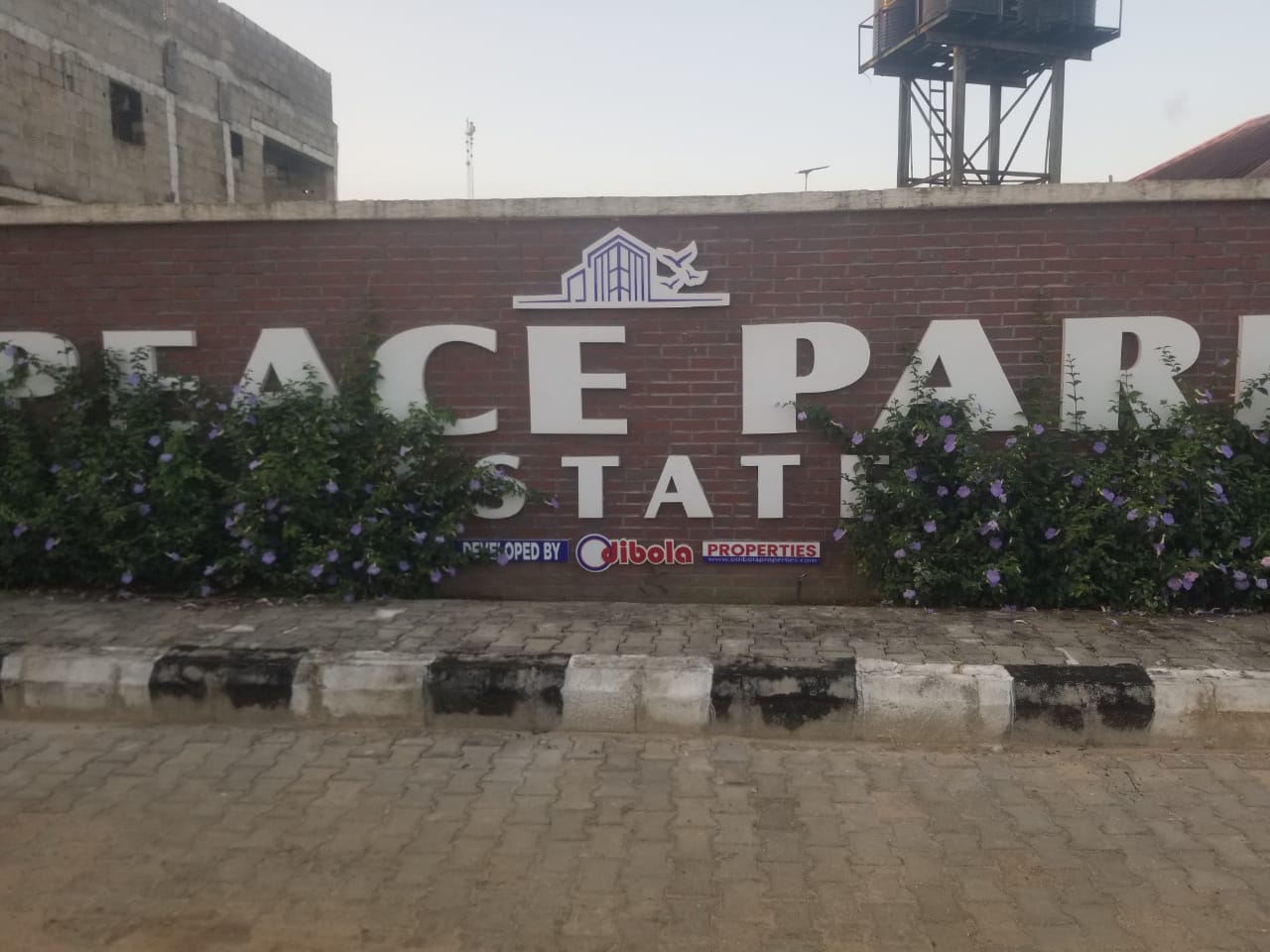
The Amaewhule family of mbodo Aluu in Ikwerre Local Government Area of Rivers State has cautioned members of the public against entering into any land transaction involving a disputed property known as “Ada Oro Fam Land,” located behind the OPM Church along Airport Road.
The family, through its legal counsel, Barrister Ndubuisi Agumagu, issued the warning amid an ongoing legal dispute over the ownership and control of the property, which is said to comprise more than 900 plots of land.
The matter is currently before the Isiokpo High Court of Rivers State in a suit numbered IHC/246/CS/2026, presided over by Justice Sobere Biambo.
The claimants in the suit include Chief Green Amaewhule and others, while Fabulous Amaewhule and Odibola Properties are listed among the respondents.
Counsel to the Amaewhule family, Barr Ndubuisi Agumagu, advised prospective land buyers and members of the public to exercise caution and refrain from purchasing any portion of the disputed property pending the determination of the case by the court.
According to the legal counsel, the property is a family estate belonging collectively to the Amaewhule family, and no individual member of the family has the authority to unilaterally dispose of portions of the land.
The counsel specifically maintained that Fabulous Amaewhule, one of the respondents in the suit, does not have the legitimate authority, according to the family’s position before the court, to sell portions of the disputed property.
The family further warned that anyone who proceeds to purchase land from the respondents while the matter remains before the court would be doing so at their own risk.
It stressed that such buyers could potentially lose their investments should the court eventually deliver judgment against the validity of the transactions.
The legal team said the warning became necessary to prevent unsuspecting members of the public from committing their resources to a property whose ownership and right of disposition are currently the subject of judicial determination.
The family also urged prospective investors, developers and land buyers to conduct proper legal inquiries and obtain independent verification of the status of the property before committing funds to any transaction relating to it.
The Amaewhule family said its position was intended to protect members of the public from possible financial losses and further legal complications while the case remains sub judice, stressing that interested parties should await the final determination of the court.
Akujobi Amadi
-

 Education2 days ago
FCE Yola Graduates 3,555 Teachers , Seeks Upgrade to University
-

 Sports2 days ago
Nigerian Trio Target Titles At PFL Africa Finals
-

 Niger Delta2 days ago
Diri Restates Stance On Lagos-Calabar Coastal Highway
-

 Niger Delta2 days ago
C’River, NUJ Pay Tribute To Late Guardian Editor
-

 News2 days ago
NDLEA Recovers Tons Of Illicit Drug Consignments In Nine States
-

 Opinion2 days ago
Checking Voter Apathy In Nigeria’s Electoral Process
-

 Politics2 days ago
2027: DICKSON’S EX-ALLY VOWS TO WORK AGAINST NDC INTEREST IN BAYELSA
-

 Politics2 days ago
2027: GROUP PLEDGES 40,000 SUPPORTERS FOR COALITION CANDIDATES IN RIVERS