
Oil & Energy
Institute Calls For Liberalisation Of Power Sector

The Institute of Electrical, Electronic Engineers of Nigeria has called for the liberalisation of the Nigerian power sector for effective service delivery in the country.
President of the Port Harcourt branch of the institute, Engineer Isaac Adekanya, made the call while speaking with The Tide in an interview in Port Harcourt at the weekend.
Adekanya said the institute was deeply concerned about the present structure of the power sector, in which few players were involved, noting that such system was incapable of satisfying the yearnings of Nigerians in terms of power demands.
He faulted the basis of formation of Gencos, Discos, and Transcos, noting that the process was based on commercial consideration and lacking in the input of experts.
“When the Federal Government was establishing the Gencos, Trancos, and Discos, the process was not open for experts to get involved and making meaningful contributions. The prime objective was commercial interest, and most of the companies lack capacity for effective service delivery, there is need for more radical reforms to accommodate the input of critical stakeholders in the sector,” he stated.
He said the Federal Government should borrow a cue from the reforms in the telecommunication sector by allowing more service providers into the power sector.
This, according to him, will lead to competition among the service providers and improve service delivery.
He emphasised the need for experts in the power sector, especially members of the Institute of Electrical, Electronic Engineers to make input in policy formulation and execution in the power sector to promote local content development.
The institute also faulted the concentration of generated power at the Oshogbo centre for distribution across the country, noting that such policy can not address the peculiar power needs of the various states of the federation.
Alternatively, he suggested that power generation in the country should be based on the policy of comparative advantage to ensure effective generation, transmission and distribution of power.
He explained that the potentials in solar, hydro and other resources for power generation should be explored to serve the best interest of the state rather than depending on a central power distributing unit at Oshogbo for the service of the entire country.
The president also calls on Federal Government to generate more power, noting that the future of the Nigeria’s economy depends on effective power supply.
He said the institute was poised to contribute its quota in terms of professionalism and expertise for effective service delivery in the power sector, and called for greater synergy between the industry and institutions for research and development.



-

 News2 days ago
RSG Targets Nine Million Residents in Mosquito Net Distribution Campaign
-

 Oil & Energy2 days ago
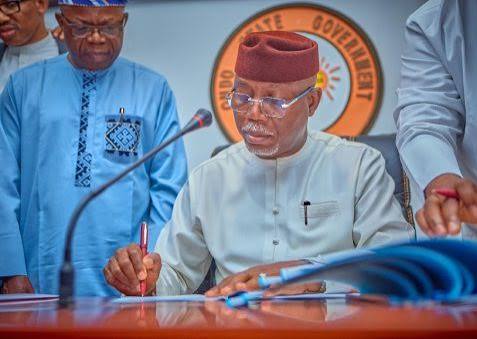
Aiyedatiwa Signs New Electricity Bill
-

 Oil & Energy2 days ago
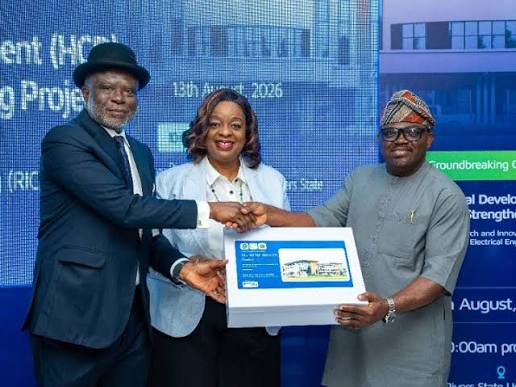
NLNG Commissions Research And Innovation Centre In RSU
-

 Maritime2 days ago
Marine Minister Commends President Tinubu On NPERA Bill Assent
-

 News2 days ago
KenPoly Holds Eight Convocations, August 29
-

 News2 days ago
RSG Begins Another Phase of Projects Commissioning Today
-

 News2 days ago
RMAFC Completes Revenue Sharing Review, Proposes New Pay
-

 Maritime2 days ago
NAGAFF Petitions IGP Over Alleged Maritime Police Harassment