
Nation
THE STATES


Vice President, Yemi Osinbajo (left) and Governor Akinwunmi Ambode of Lagos State (right), acknowledging cheers from the crowd on arrival, at Tafawa Balewa Square, venue for the inauguration of some security equipment, during the working visit of the Vice President to Lagos State as representative of President Muhammadu Buhari on Monday.
Borno
The Victims Support Fund (VSF) says it has so far donated
millions of naira to 16 hospitals across the North East Zone for the treatment of Boko Haram insurgency victims.
The Vice-Chairman of the Fund, Alhaji Tijjani Tumsa, stated this while speaking with newsmen in Maiduguri.
Tumsa said that the VSF had also signed a Memorandum of Understanding (MoU) with the benefiting hospitals to ensure that the money was put to proper use.
“A total of 16 hospitals have so far benefited from our cash donation toward facilitating free treatment for victims of terrorism across the North East Zone.
“It is imperative to note that we also signed an MoU with the beneficiaries before presenting the donation, “ he said.
Tumsa explained that the objective was to ensure judicious utilisation of the fund.
Ekiti
Governor Ayo Fayose of Ekiti State has urged the people
of Oke-Ako to remain calm as security agents try to fish out those who killed two persons in the community recently.
This is contained in a statement by the governor’s Special Assistant on Public Communication, Mr Lere Olayinka.
The statement condemned the attack by suspected herdsmen on residents of Oke Ako town in Ikole Local Government Area of the State.
“Fayose described the attack which claimed two lives as the height of callousness on the part of the cattle rearers.
“He warned the perpetrators to desist from such heinous crime as he would not guarantee whether there could be reprisal attacks if repeated on the town or elsewhere.’’
It added that the agents of the devil must be fished out and punished accordingly.
FCT
The Chief of Naval Staff (CNS), Vice Admiral Ibok Ibas,
said the Nigerian Navy had in its 60 years of existence developed the capacity to address Nigeria’s maritime crimes and related threats.
Ibas stated this at the interdenominational church service for Nigerian Navy’s Diamond Jubilee in Abuja.
The CNS said the navy had developed capacity both in platforms and the requisite expertise to secure the nation’s oil infrastructure and contain piracy in Nigeria’s maritime territory.
“Over the years, commendable successes have been made by the Nigerian Navy to build its capacity to discharge its duties as enshrined in the laws.
“These efforts have made the navy to be less-dependent on foreign sources for partnership as reflected in the modest achievement of local construction of boats or seaward defence platforms.
Kano
The Kano State Pilgrims Welfare Board has directed all
intending pilgrims to 2016 Hajj to Saudi Arabia to go for mandatory medical test.
The hajj will commence on May 25.
The Public Relations Officer of the board, Alhaji Nuhu Badamasi, gave the directive in an interview with newsmen in Kano recently.
Badamasi said the medical test was necessary because no intending pilgrim would be allowed to travel to the Holy land without knowing his or her health status.
According to him, the mandatory medical test is in compliance with the directive of the National Hajj Commission of Nigeria (NAHCON).
Kogi
Area Court Judge Mr Timothy Salihu, and Alhaji Aliyu
Okeme, retired Chief Inspector of Area Courts in Kogi State, kidnapped on May 19, have regained their freedom.
Our correspondent, recalls that they were abducted at gun-point on Idah-Lokoja road in the Eastern flank of the state on their way to Idah.
The Commissioner of Police in Kogi, Mr Yakubu Usman, who confirmed their release, said they were found between Itobe and Ajegwu on Itobe-Anyigba road.
It could not confirmed if their families paid ransom for their release as the kidnappers had demanded one million naira.
Kwara
The Chairman of Kaiama Local Government Area of
Kwara State, Alhaji Alhassan Bagudu, has called for improved funding of local government councils to ensure infrastructural development at the grassroots.
He made the call in llorin while speaking with newsmen recently.
Bagudu noted that the challenges confronting local councils included lack of portable water and other necessities of life.
Bagudu said improved funding of the councils would bring rapid social economic development to the grassroots.
The measure, he said, would also check rural urban drift and create employment opportunities.
He noted that lack of funds had seriously affected development in local government areas.
Lagos
A septuagenarian, Elder Taiwo Shoyode, has advised
the Federal Government to adopt the socio-economic policies that boosted the economy of the defunct Western Region in resolving the country’s economic quagmire.
Shoyode, father in-law to Vice-President Yemi Oshinbajo, gave the advice in an interview with newsmen at a free health progarmme, sponsored by a philanthropist, Dawodu Olatunji.
The programme, “Health is Wealth’’, is a free malaria test and drugs outreach, held at Solomon Hall, Mushin, Lagos recently.
Shoyode urged the new generation politicians to go back and study the socio-economic agenda of the then Western Region to tackle the issues of economic downturn.
He said the laudable programmes embarked upon and implemented well by the Obafemi Awolowo-led western region remained the best economic policy that might address the present day realities.
Nasarawa
The Nassarawa State Government says the report of the
recent Bank Verification Number (BVN) exercise it conducted will expose workers receiving double salaries.
The Nasarawa State Accountant General, Alhaji Mohammed Musa, said this in an interview with newsmen in Lafia.
He said the report of the exercise was in consonance with the state government’s resolve to rid the civil service of corrupt practices and ensure proper accountability.
“We embarked on this exercise to see how we can further reduce some of these leakages and corruption in the system,” he said.
According to him, civil servants caught to be enjoying multiple salaries will be made to face the wrath of the law.
Ogun
The Ogun State Muslim Pilgrims Welfare Board, has called
on intending pilgrims to augment their 2016 interim Hajj fare from the initial sum of N800,000 to N1.180 million.
The Executive Secretary of the board, Alhaji Sefiu Rasheed, made the call on Saturday while briefing news men in Abeokuta.
Rasheed said this was to enable the board to remit the required funds to the National Hajj Commission of Nigeria (NAHCON), Abuja, before the deadline.
According to him, the board has resolved to fix the fare at N1.180 million tentatively, pending the Federal Government’s final decision on the concessionary exchange rate.
Ondo
Four students of the Federal University of Technology,
Akure, died in a road accident on the Akure-Ilesha Expressway in Ifedore Local Government Area of Ondo State.
The spokesman of the Police Command in Ondo State, Mr Femi Joseph, confirmed the incident and said that 11 others sustained various degrees of injuries.
Our correspondent reports that the students were returning from Ibadan after attending a religious programme.
Joseph further confirmed that the remains of the students were deposited at the Ondo State Specialist Hospital, Akure, where those injured were hospitalised.
No fewer than 15 students were in the Hiace bus when the accident happened.
Oyo
Assistant Director, Cocoa Research Institute of Nigeria
(CRIN), Ibadan, Dr Abiodun Adedeji, has urged the Federal Government to produce defined policies on cocoa production and marketing.
Adedeji made the call in an interview with newsmen in Ibadan.
He said it was necessary for the government to have policies on cocoa farming with appropriate institutional framework to boost its production.
The Plant Pathologist said such policies should be consistent and that which could not be affected by change of government.
“There should be a well resourced regulatory body with specified functions to promote cocoa sector.’’
Plateau
Governor Simon Lalong of Plateau State, has decried the
abuse of Local Government Joint Account by some governors, saying he does not interfere with funds meant for local governments in the state.
Lalong stated this at the News Agency of Nigeria (NAN) Forum in Abuja.
He said that even though he did not support the local government autonomy, he abhorred a situation where a state governor would exercise undue interference in the joint account.
“ I heard stories that in some states what they do is that when the money comes, they collapse it into one account and decide what goes into each local government.
“I fought against it as a Speaker, I cannot be part of it; so when the money comes, it is meant for the local government.



As the world marked the 2026 International Day of the Girl Child on Sunday, October 11, 2026, a non-governmental organisation, Stand Up for Women Society (SWS) has intensified its campaign against child marriage, urging schoolgirls to prioritise education, protect their rights and develop skills for a better future.
The organisation joined the global observance of the day under the theme, “International Day of the Girl Child: End Child Marriage and Invest in Girls’ Rights,” with a sensitisation programme at Government Girls Secondary School, Oromenike, D-Line, Port Harcourt, Rivers State.
Led by its Vice Chairperson, Daba Benebo, the group engaged the students in discussions on the dangers of early marriage, teenage pregnancy, sexual abuse and other challenges that threaten the education, safety and development of the girl child.
Speaking during the programme, Benebo urged the students to reject early marriage and remain focused on their studies, stressing that education would empower them to make informed decisions about their lives and future.
She cautioned the girls against allowing anyone to deprive them of their right to education and dignity, advising them to report cases of harassment, abuse and other violations of their rights to the appropriate authorities.
Benebo assured the students that SWS remained available to support them whenever they encountered violations of their rights.
She also encouraged them to maintain discipline and responsible conduct while avoiding behaviours that could expose them to negative influences and jeopardise their future.
Beyond formal education, the SWS vice chairperson urged the students to acquire vocational skills that could provide additional opportunities for economic independence and help them navigate future challenges.
The sensitisation programme, enlivened by singing, dancing and to share their views and experiences on issues affecting the girl child interactive sessions, provided an opportunity for the students to share their views and experiences on issues affecting the girl child.
One of the major issues raised during the discussion was the appropriate age for marriage. While some participants maintained that 18 years was the constitutionally approved age, the discussion highlighted the need to consider not only age but also the maturity, preparedness and responsibilities associated with marriage.
The speaker stressed that marriage required adequate mental and emotional preparation, as well as the capacity to shoulder its responsibilities.
She therefore advised the students to concentrate on acquiring a sound education before considering marriage, noting that education would equip them with the knowledge and skills needed to make responsible decisions and manage family life.
The issue of teenage pregnancy also featured prominently during the question-and-answer session.
In addressing the subject, the speaker explained that pregnancy could occur even at the age of 12, using the example to underscore the vulnerability of young girls to the consequences of early sexual activity.
She advised the students to avoid sexual intercourse and prioritise their education, personal safety and future aspirations.
The discussion also examined the difficulties some girls encounter when living with hostile spouses, relatives or guardians.
Benebo encouraged the students to cultivate patience, humility and diligence, noting that these qualities could help them navigate difficult situations and build a brighter future.
However, she warned that patience and humility should never be interpreted as an obligation to endure violence, abuse or degrading treatment.
She urged girls experiencing hostile or abusive living conditions to seek help from their parents, trusted adults or appropriate support services rather than remain in environments that could expose them to physical or emotional trauma.
“When such happens, please return to your parents and engage in petty trade or learn a skill to support your education rather than stay in a hostile environment,” Benebo stressed.
The programme also underscored the importance of protecting girls from early marriage and other harmful practices that can disrupt their education, compromise their well-being and limit their opportunities in life.
It also reinforced the need for families, schools, communities and relevant organisations to work together to ensure that girls have access to education, vocational training, protection and the support they need to realise their potential.
For SWS, the message was clear: empowering the girl child begins with protecting her rights, investing in her education and equipping her with the confidence and skills to make informed choices about her future.
Stories by Kevin Nengia
The Egberipapa Foundation has unveiled a mass transit scheme aimed at easing transportation difficulties and improving connectivity among communities in the three Kalabari local government areas of Asari-Toru, Degema and Akuku-Toru in Rivers State.
The initiative, established by former Caretaker Committee Chairman of Akuku-Toru Local Government Council, High Chief Sobomabo Jackrich, popularly known as Egberipapa, is designed to make transportation more accessible and affordable for residents across the Kalabari area.
The scheme was launched on Monday, October 12, 2026, and is expected to address longstanding transportation challenges confronting residents, particularly those in riverine and hard-to-reach communities.
Communities expected to benefit from the initiative include Krakrama, Minama, Angulama, Sangama, Omekwe-Tariama and Omekwe-Ama.
The project is expected to ease movement within and beyond the Central Group area, while providing residents with a more convenient means of transportation for their daily activities.
For decades, transportation difficulties have posed significant challenges to several Kalabari communities, making movement between settlements both cumbersome and expensive. These challenges have also affected commercial activities, social interactions and access to essential services.
The introduction of the mass transit scheme is therefore expected to provide relief to residents, strengthen inter-community connections and stimulate economic activities across the benefiting communities.
Beyond improving mobility, the initiative could contribute to community development by facilitating the movement of people and goods, supporting local businesses and enhancing social and economic interactions within the Kalabari area.
As the scheme gets underway, attention will be focused on its implementation, accessibility and sustainability, as well as its capacity to deliver lasting transportation benefits to the target communities.
The initiative represents a potentially significant step towards addressing transportation challenges and promoting grassroots development across the Kalabari Kingdom.
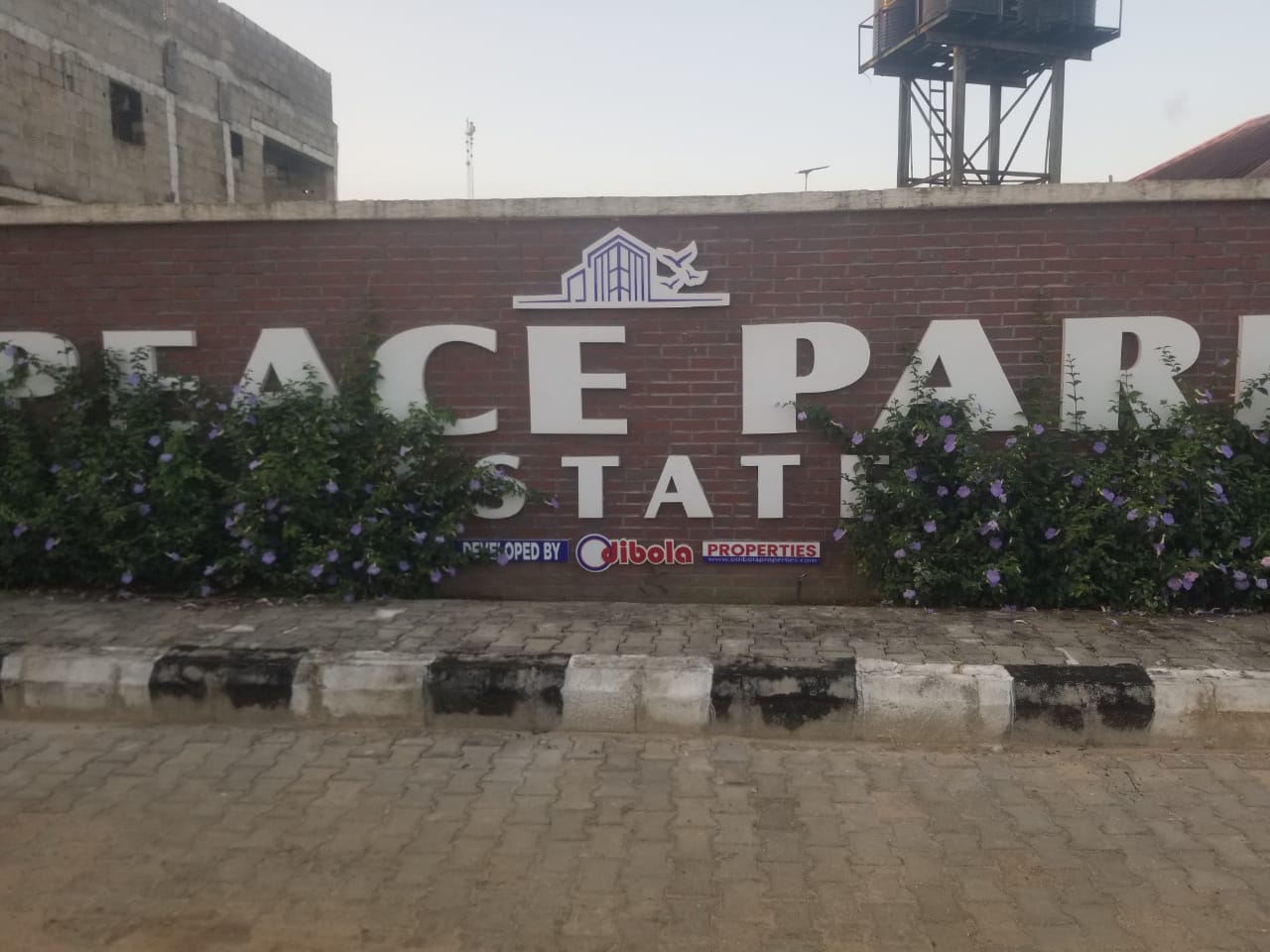
The Amaewhule family of mbodo Aluu in Ikwerre Local Government Area of Rivers State has cautioned members of the public against entering into any land transaction involving a disputed property known as “Ada Oro Fam Land,” located behind the OPM Church along Airport Road.
The family, through its legal counsel, Barrister Ndubuisi Agumagu, issued the warning amid an ongoing legal dispute over the ownership and control of the property, which is said to comprise more than 900 plots of land.
The matter is currently before the Isiokpo High Court of Rivers State in a suit numbered IHC/246/CS/2026, presided over by Justice Sobere Biambo.
The claimants in the suit include Chief Green Amaewhule and others, while Fabulous Amaewhule and Odibola Properties are listed among the respondents.
Counsel to the Amaewhule family, Barr Ndubuisi Agumagu, advised prospective land buyers and members of the public to exercise caution and refrain from purchasing any portion of the disputed property pending the determination of the case by the court.
According to the legal counsel, the property is a family estate belonging collectively to the Amaewhule family, and no individual member of the family has the authority to unilaterally dispose of portions of the land.
The counsel specifically maintained that Fabulous Amaewhule, one of the respondents in the suit, does not have the legitimate authority, according to the family’s position before the court, to sell portions of the disputed property.
The family further warned that anyone who proceeds to purchase land from the respondents while the matter remains before the court would be doing so at their own risk.
It stressed that such buyers could potentially lose their investments should the court eventually deliver judgment against the validity of the transactions.
The legal team said the warning became necessary to prevent unsuspecting members of the public from committing their resources to a property whose ownership and right of disposition are currently the subject of judicial determination.
The family also urged prospective investors, developers and land buyers to conduct proper legal inquiries and obtain independent verification of the status of the property before committing funds to any transaction relating to it.
The Amaewhule family said its position was intended to protect members of the public from possible financial losses and further legal complications while the case remains sub judice, stressing that interested parties should await the final determination of the court.
Akujobi Amadi
-

 News1 hour ago
NDLEA Recovers Tons Of Illicit Drug Consignments In Nine States
-

 News1 hour ago
IGP Proposes 200% Gratuity, Pension For Retired Officers
-
 News1 hour ago
FG releases N38.93bn to upgrade 166 tertiary institutions
-

 News1 hour ago
Rivers Community Raises Alarm Over Alleged Security Invasion
-

 News1 hour ago
Ebola: NCDC Approves N100,000 Weekly Payment For Contacts
-

 News1 hour ago
Rivers CJ Declines NBA’s Request For Court-Free Days For Law Week Celebration
-
 News1 hour ago
Senate Passes Bill For Establishment Of Federal University Of Agriculture In Rivers
-
 News1 hour ago
2027 Elections: Police Begin Training Of 10,000 Officers