
Oil & Energy
NIM Urges FG To Develop Solid Minerals

The President, Nigerian
Institute of Management (NIM), Dr Nelson Uwaga, has urged the Federal Government to shift from oil resources and develop the solid mineral and agricultural sectors for even development.
Uwaga made the appeal when he featured on the News Agency of Nigeria (NAN) Forum in Abuja.
He expressed optimism that Nigeria moving from the current mono-economy of oil would help increase business opportunities, eliminate hunger and create additional jobs for the country.
“There is no state in Nigeria that does not have an abundance of solid mineral.
“All we need to do is to create the right environment to explore it. Even if the money is coming from oil, we do not have to share all and spend all.
“Solid minerals is a sector that we can develop and there will be more than enough jobs, particularly when the Federal Government does this in collaboration with the federating units or states where these minerals are found,’’ he said.
Uwaga said that getting more people involved in agriculture was a sure way to eradicate hunger and poverty in the society because hunger tended to make people aggressive and disagreeable.
“Look at the fertile lands we have; look at the irrigation systems we have in Nigeria. If we put in a lot more into agriculture and develop it, this country will feed itself and will export so much.
“The middle belt is so fertile that we can say we are the envy of every other country. We can compete with the U.S. if we look into agriculture.
“It will create a lot of jobs and mop up the young men that are roaming the streets and from which the militants and insurgents are now finding recruits,’’ he said.
Uwaga urged government to also put in place the right policies that would encourage the creation of small and medium scale industries.
He said this would enable Nigeria to yield the kind of progressive economy it had the potential.




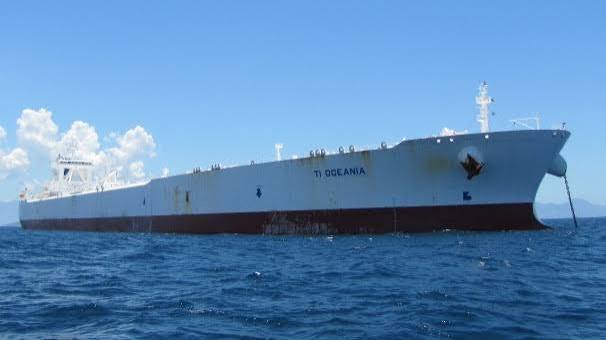
Excluding Oman, their oil exports reached 18.4 million bpd in October, although shipments remained 26 per cent below prewar levels. Crude oil exports alone totaled 15 million bpd, equivalent to 82 per cent of their volume before the conflict.
Despite the prospect of excess supply, the IEA continues to identify two major sources of uncertainty: depleted onshore inventories and the security of maritime transport.
Its latest projections indicate that the recovery in global oil supplies has outpaced its earlier expectations. The market now faces the prospect of a surplus before the end of 2026, although low inventories on land and risks to shipping routes remain unresolved.
-
News4 days ago
Bayelsa Boat Mishap: Tinubu Donates N250m As Death Toll Hits 29
-
News4 days ago
Odu Pays Tribute To Late Chinwah, Describes Him As Courageous, Selfless Academic
-

 Maritime4 days ago
Nigeria, Russia Customs Sign MOU To Trade Facilitations
-

 Sports4 days ago
World marathon champion gets three-year doping ban
-

 Maritime4 days ago
South-South Governors Urges To Shake Off Collective Lethargic To Embrace Blue Economy
-

 Maritime4 days ago
Oyetola Woos Investors With Nigeria’s Seabed Resources, Marine Biotechnology
-

 Business4 days ago
Moniepoint MfB transaction volume hits 1trn daily — CEO
-

 Oil & Energy4 days ago
Global Oil Market May Witness Supply Surplus Before The End Of 2026 …… Report